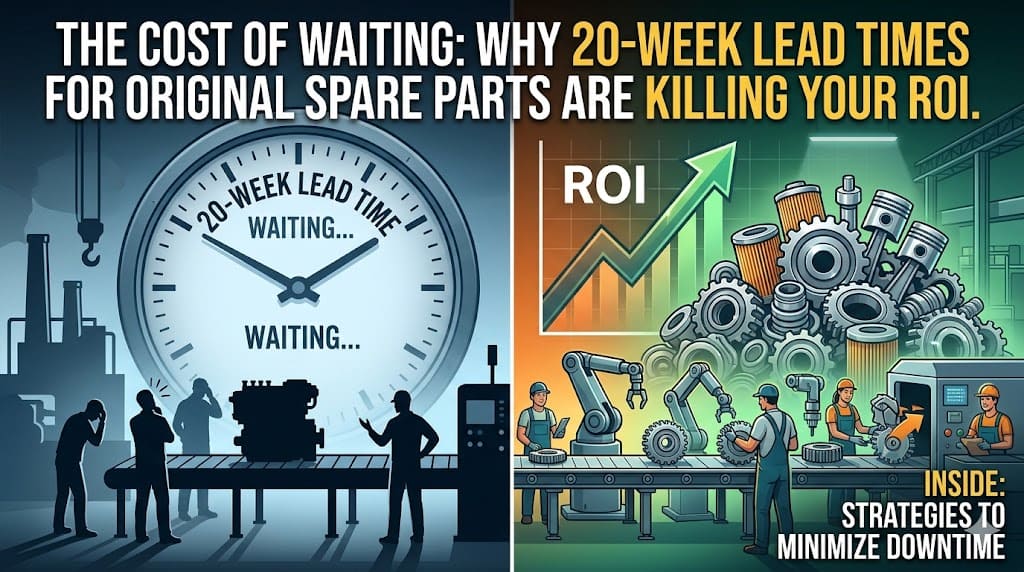
Your plant stopped running. You need new heat exchanger plates1. The original maker says wait 20 weeks. This long wait drains your money fast.
A 20-week lead time for original spare parts kills your ROI2 because hidden downtime costs destroy your profits. While you wait, your expensive equipment stays idle. The daily production loss quickly exceeds the cost of the parts themselves.
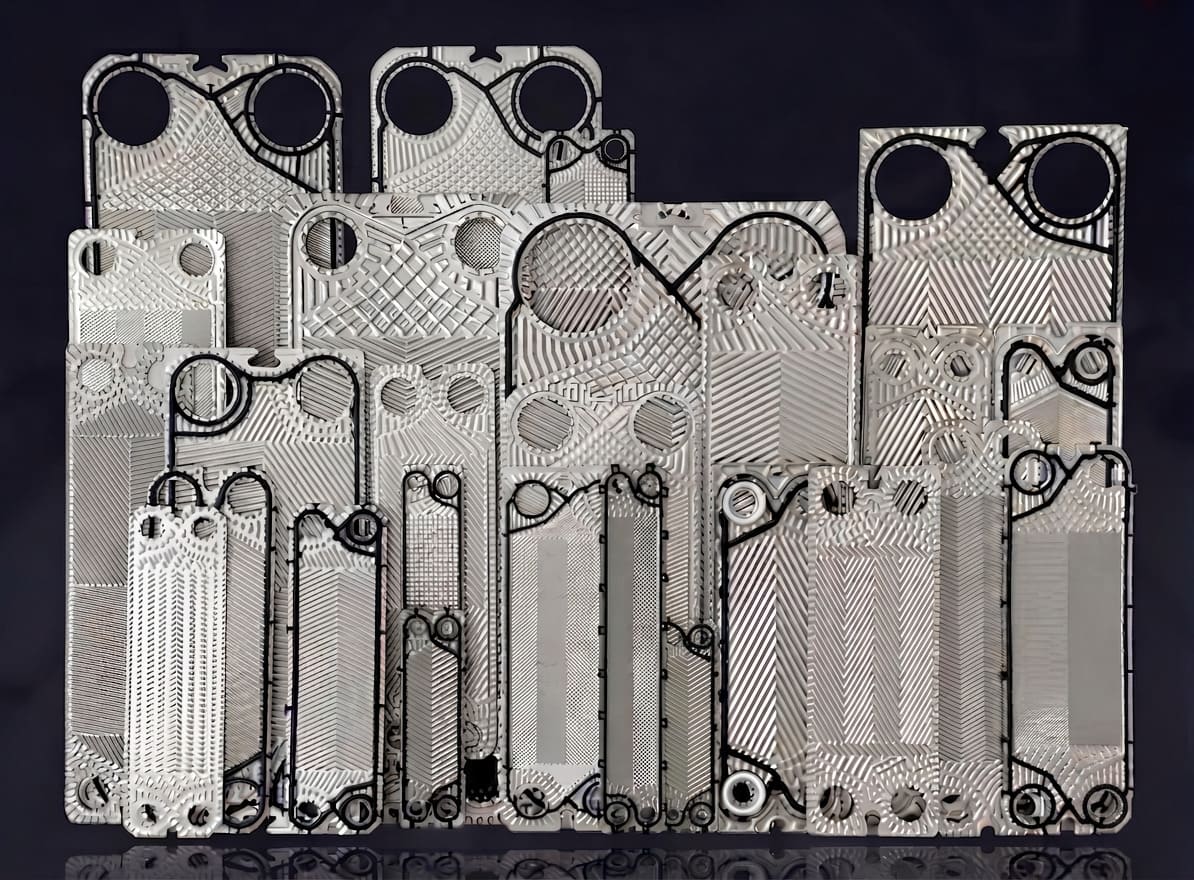
Many buyers think they save money by sticking to the original brand. They fear change. But let me show you the real math that will completely change your mind.
Are you only looking at the 15% price difference on quotes?
You get two quotes. The original brand costs 15% more. You think this price gap is small. But this small gap hides a massive trap for your business.
Focusing only on the 15% price difference ignores the real expense of time. A cheaper or slightly more expensive part means nothing if you wait 20 weeks. The true cost is the lost daily production while your system runs poorly or stays shut down.
Let me tell you a story about a client I met last year. His name is Ahmad. He runs a large chemical plant in Indonesia. He needed replacement plates and gaskets3 for his heat exchangers. He looked at the quotes on his desk. He saw a 15% price difference between the original brand and a compatible alternative4. He chose the original brand. He felt safe with a big name. But he forgot to calculate the cost of time.
His chemical plant makes $50,000 every single day. The original equipment manufacturer gave him a 20-week lead time. That is 140 days of waiting. During these 140 days, his heat exchangers leaked badly. His system ran at very low efficiency. He had to stop production several times to fix small problems.
The Real Cost of 140 Days
If your plant loses $50,000 a day for 140 days, your total loss is $7,000,000. This is a huge amount of money. Your main equipment is a fixed asset5. When you wait 20 weeks for a part, this expensive asset enters a negative ROI state. It makes no money. It only burns money.
| Cost Type | Original Part (20 Weeks Wait) | Fast Alternative (2 Weeks Wait) |
|---|---|---|
| Part Price | $10,000 | $8,500 |
| Daily Loss | $50,000 | $50,000 |
| Total Wait Days | 140 Days | 14 Days |
| Total Lost Revenue | $7,000,000 | $700,000 |
| Final Real Cost | $7,010,000 | $708,500 |
You can see the difference here. The 15% price gap on the part is tiny. The $7,000,000 loss is the real problem. You must look at the big picture. Do not let a small price gap blind you to the massive cost of waiting.
Why do global brands make you wait 20 weeks for spare parts?
You trust big global brands. But they always delay your spare parts. You feel frustrated and ignored. Why do they treat your urgent needs this way?
Global brands make you wait because they prioritize new machine orders over spare parts. Their production capacity is limited. They focus their factories on building complete new systems. This leaves very little room to make replacement plates and gaskets for older units.
I respect global brands like Alfa Laval6 and GEA7. I must admit they are the top players in the world. Their product research is amazing. Their after-sales service structure is excellent. But they have a big problem. They get too many orders from all over the world.
Every factory has a limit. Even the biggest brands have limited production capacity. When a big brand gets a huge order for a new power plant project, they put all their energy there. New machines bring in the most money. They assign their best engineers and fastest machines to these big projects.
How Big Brands Manage Orders
Because new machines are their main focus, spare parts get pushed to the back of the line. They simply do not have enough time or machines to make your spare parts quickly. They treat your replacement gasket as a low priority.
| Order Type | Priority Level | Factory Focus | Average Lead Time |
|---|---|---|---|
| New Heat Exchangers | High | Assembly and Testing | 10 to 12 Weeks |
| Custom Big Projects | Very High | Engineering and R&D | 20 to 30 Weeks |
| Spare Parts (Plates) | Low | Leftover Capacity | 16 to 20 Weeks |
| Spare Parts (Gaskets) | Low | Leftover Capacity | 16 to 20 Weeks |
This is why you wait 20 weeks. It is not because they do not like you. It is just basic business logic. They use their limited factory space for big new machines. Your urgent need for a gasket is just a small ticket in their huge system. You must understand this reality to fix your supply chain.
How does fast stock availability save your fixed asset value?
Your expensive machine sits broken. Every passing hour steals your profit. You need a fast fix now. Quick delivery is the only way to save your money.
Fast stock availability saves your asset value by cutting downtime from months to days. When you get replacement parts in two weeks, your equipment starts running and making money again. This quick turnaround rescues your system from a long period of negative returns.
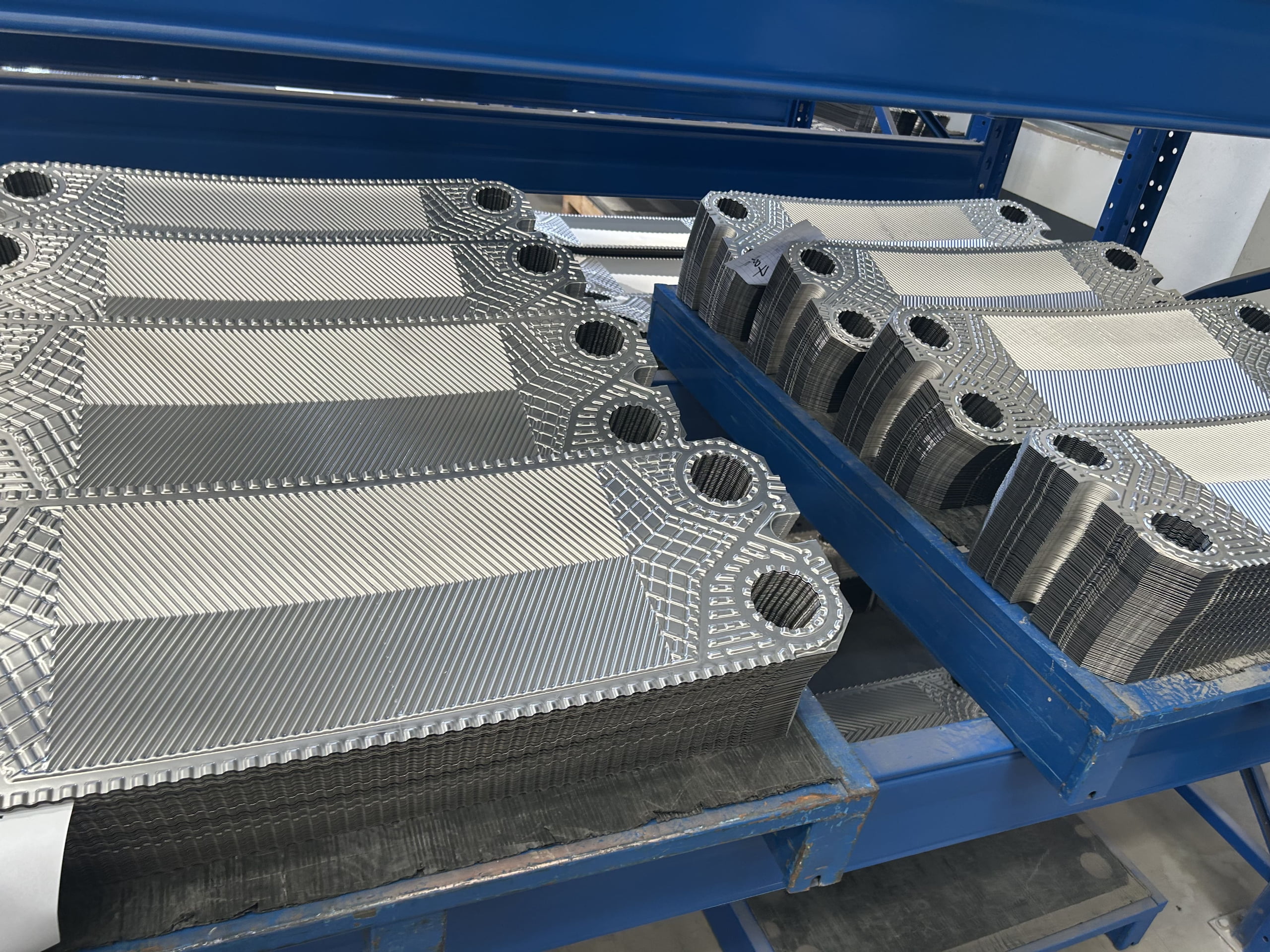
When your heat exchanger stops, your whole production line stops. I see this happen all the time. Your main machine is a fixed asset. You spent a lot of money to buy it. You expect it to work and make a profit every day. But a broken gasket turns that expensive asset into dead weight.
At TIVO8, we do things differently. We keep a large stock of plates and gaskets. We make sure they are 100% compatible with big brands. Our business model focuses on aftermarket support9. Our goal is to ship your order fast.
The Value of Speed
We usually deliver standard orders in 7 to 15 days. This speed is not just a nice service. It is a rescue mission for your asset value. When we send you parts quickly, we bring your dead machine back to life fast.
| Metric | OEM Supply Chain | TIVO Supply Chain |
|---|---|---|
| Delivery Time | 20 Weeks (140 Days) | 1 to 2 Weeks (7-15 Days) |
| Asset Status | Dead / Negative ROI | Active / Making Profit |
| Maintenance Cost | Very High | Low |
| Business Risk | Plant Shutdown | Smooth Operation |
You do not buy spare parts just to have them on a shelf. You buy them to keep your business running. Our fast delivery stops the financial bleeding. We save you from that massive $7,000,000 loss I talked about earlier. We turn your negative ROI back into a positive one quickly.
Is it safe to use compatible replacement parts for your system?
You worry about quality. A cheap part might break and cause a leak. This fear keeps you waiting 20 weeks. But what if you can have both speed and safety?
Using compatible replacement parts is completely safe if you choose a manufacturer with strict testing. High-quality alternatives use the exact same materials. They undergo rigorous hydraulic and leak tests to ensure they perform exactly like the original parts.
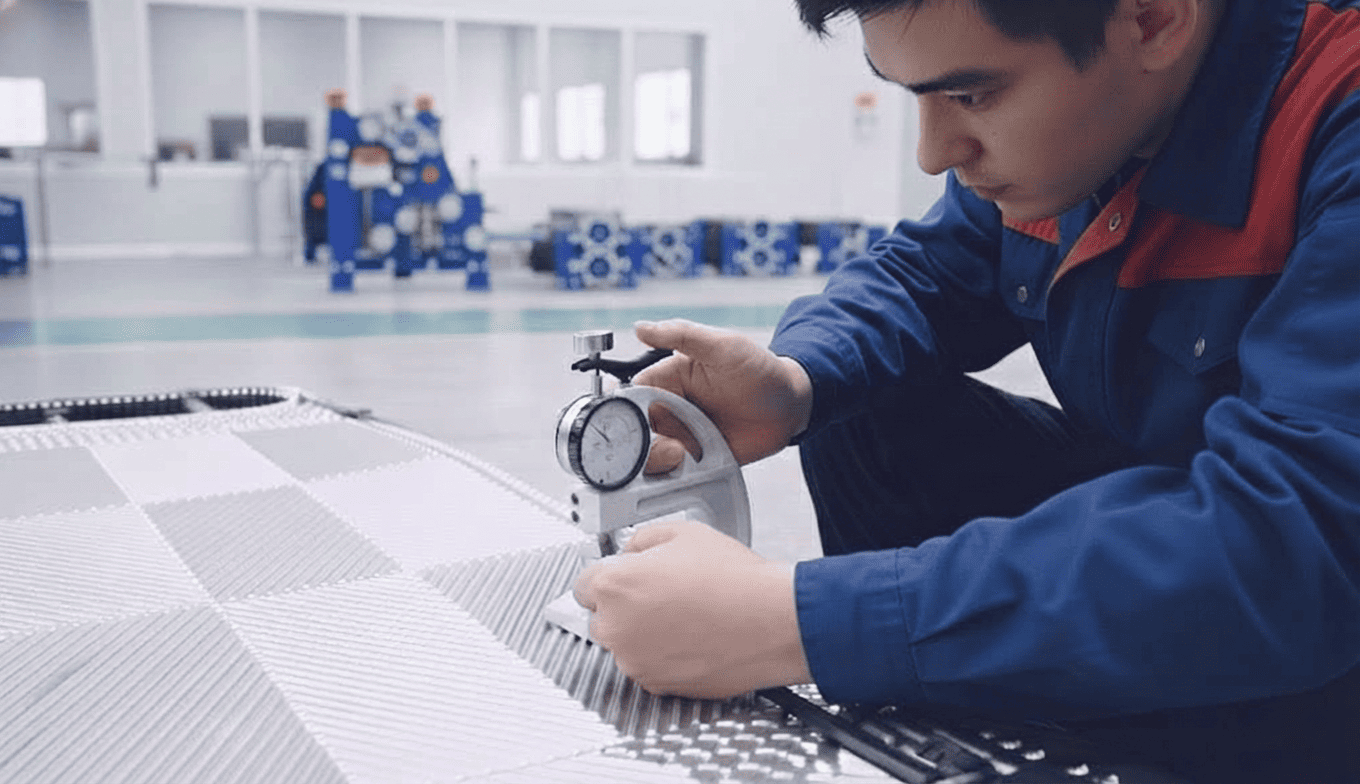
Many maintenance heads ask me this question. They fear a non-original part will fail. I understand this fear. You run a high-pressure system. A leak can cause a huge disaster in your plant. But you do not have to sacrifice quality for speed.
You just need to look at how the parts are made. At TIVO, we use 100% spectral material testing. If you need Titanium or Hastelloy for highly corrosive fluids, we guarantee you get exactly that. We also do 100% hydraulic pressure and leakage testing before we ship anything out of our factory.
Quality Control Matches the Originals
Our production lines use automatic pressing and laser cutting. We have 15 years of experience in OEM10 and ODM services. We know exactly what makes a heat exchanger work safely under extreme conditions.
| Testing Method | Original Brand | TIVO Compatible Parts |
|---|---|---|
| Material Testing | Yes | 100% Spectral Testing |
| Pressure Testing | Yes | 100% Hydraulic Testing |
| Leak Detection | Yes | Advanced Helium Detection |
| ISO 9001 Certified | Yes | Yes |
You get the exact same material integrity11 as the original part. You get the exact same safety standards. The only thing you do not get is the 20-week wait time. By choosing a reliable manufacturer, you protect your system and your wallet at the same time. You never have to wait half a year for a simple gasket again.
How do long lead times affect your whole supply chain?
Your single broken heat exchanger causes a chain reaction. Your entire factory slows down. Customers complain about late deliveries. You risk losing your best buyers.
Long lead times disrupt your entire supply chain by creating bottlenecks in your production process. When one critical machine stops for 20 weeks, you cannot fulfill your own customer orders. This delay hurts your market reputation and forces buyers to find other suppliers.
I talk to procurement managers like David all the time. He works for a large heat pump manufacturer. He needs a stable supply chain. When he waits 20 weeks for a part, his assembly line stops. His workers have nothing to do.
This problem goes far beyond one broken machine. Your factory is an ecosystem. Every step depends on the previous step. When a heat exchanger fails, the fluid processing stops. When the fluid processing stops, the final product never gets made.
The Domino Effect of Waiting
Your customers expect you to deliver on time. They do not care about your broken gasket. They only care about their own schedules. If you tell them to wait 20 weeks, they will leave you.
| Impact Area | Fast Replacement | 20-Week OEM Delay |
|---|---|---|
| Factory Output | Normal | Severely Reduced |
| Worker Productivity | High | Low (Idle Time) |
| Customer Trust | Maintained | Broken |
| Market Share | Stable | Lost to Competitors |
You lose more than just daily revenue. You lose your reputation. A fast supply of spare parts acts like an insurance policy. It protects your brand name. It keeps your workers busy. It keeps your customers happy. You must control your supply chain to survive in this market.
Conclusion
Waiting 20 weeks for original parts destroys your ROI. Fast, compatible alternative4s save your daily production. Stop losing money on downtime and keep your systems running efficiently.
Explore this link to find reliable suppliers that can provide heat exchanger plates quickly and efficiently. ↩
This resource will explain how downtime affects ROI and ways to mitigate losses. ↩
Explore this resource to discover reliable alternatives that can save you time and money on essential heat exchanger parts. ↩
Discover the safety and performance of compatible alternatives in industrial applications. ↩
Discover why maintaining fixed assets is crucial for long-term profitability. ↩
Explore this link to understand how Alfa Laval's technology can impact your production efficiency and ROI. ↩
Explore insights on GEA's supply chain challenges and how they impact your operations. ↩
Explore TIVO's innovative supply chain solutions that drastically reduce downtime and protect your profits. ↩
Learn about the significance of aftermarket support in maintaining equipment performance. ↩
Get a clear understanding of OEM and its role in the manufacturing industry. ↩
Understand the importance of material integrity and how it is tested in manufacturing. ↩