Leaking heat exchangers cost you money and downtime. A blown gasket can stop your whole plant. This ruins production. Here is how you find the cause and fix it fast.
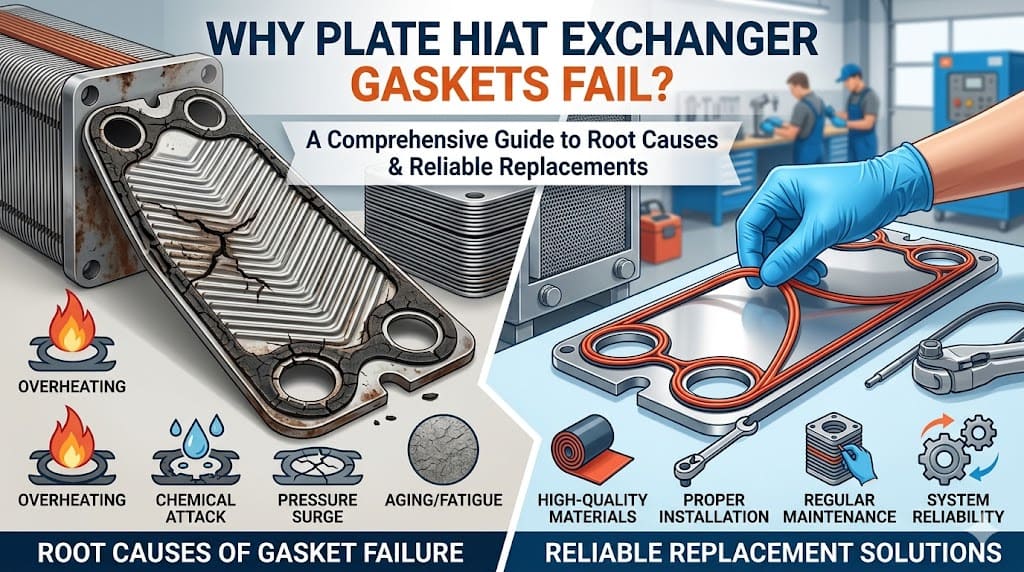
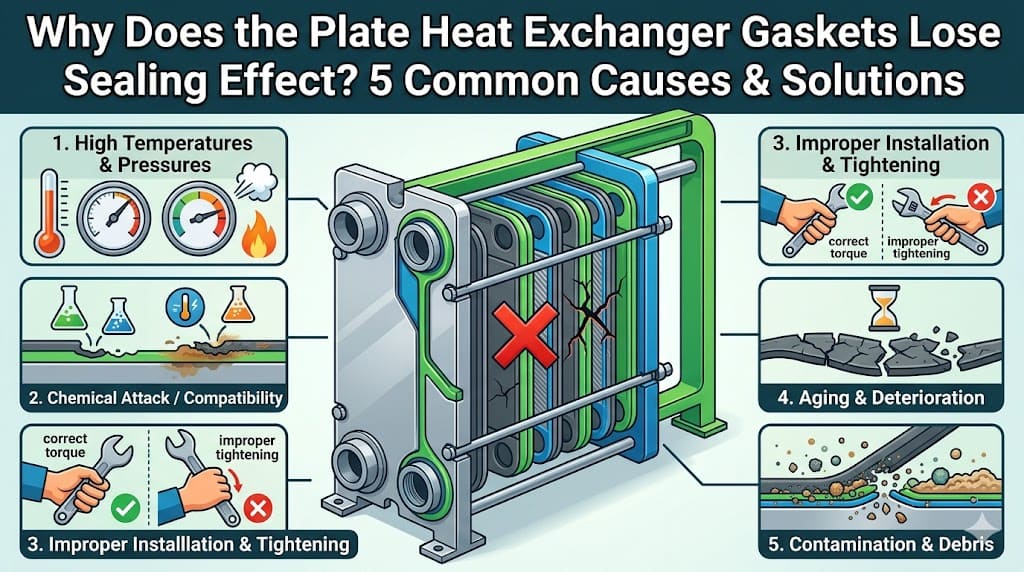
Plate heat exchanger gaskets lose their sealing effect for five main reasons.1 These include water hammer pressure spikes, extreme temperature changes, wrong gasket attachment types, incorrect material choice, and bad tightening practices. You must fix these issues to prevent costly leaks and protect your system.
You might think your system is safe. You see normal pressure on the gauge. But hidden dangers can destroy your gaskets without warning. You will face sudden leaks and massive repair bills if you ignore these signs. Let us look at the top five reasons your gaskets fail.
Is Water Hammer the Instant Killer of Your Gaskets?
Sudden loud bangs in your pipes are bad news. This shockwave blows out your gaskets instantly. You must control this strong force to save your expensive equipment.
Water hammer happens when you close valves too fast.2 It also happens when pumps start suddenly. This creates a massive pressure spike. The shock pushes the rubber gasket right out of its groove. This sudden dislocation causes a major leak.
I have seen many operators make a big mistake. They look at the pressure gauge. They think everything is perfectly fine. But they forget about the sudden pressure spikes. A plate heat exchanger has a very long sealing line. It is also less rigid than a shell and tube heat exchanger. A pump starts very fast. The pressure hits the plates hard. This shock causes dislocation. The gasket just pops out of the track.
How to Stop Water Hammer
You need to change how you operate your system. You must not open or close valves too fast.
| Problem | Cause | Solution |
|---|---|---|
| Valve Shock | Fast closing valves | Use slow-closing valves |
| Pump Shock | Sudden pump starts | Install soft starters or VFDs |
| Trapped Air | Air in the pipes | Add air release valves |
You will keep your gaskets in place if you fix these three things. At Tivo, we always tell our EPC and OEM clients to check their pipe design. A good pipe design stops water hammer before it reaches the heat exchanger. This keeps your factory running smoothly.
Can Temperature Fluctuations Cause Cold Leakage in Your System?
Frequent temperature changes stress your rubber seals.3 The rubber gets tired over time. It stops bouncing back. This leads to slow leaks that are very hard to find.
Cold leakage occurs in systems with frequent temperature and flow changes. Modern data center cooling systems have this problem.4 The constant expanding and shrinking causes rubber fatigue. The gasket loses its sealing ability. The fluid then slowly leaks out during the cooling cycles.
The fluid temperature changes all the time in modern high-density cooling projects. MW-level CDU systems are a good example. The system uses variable frequency drives to adjust the flow. This means the gaskets expand and shrink constantly. I call this fatigue. The rubber simply gets too tired to work well.
The Importance of Compression Set
Many buyers only look at the material name. They ask for EPDM or NBR. This is not enough. You must look at the compression set of the rubber. This number tells you how well the rubber bounces back.
| Material Property | Why It Matters | Good Value |
|---|---|---|
| Material Type | Resists chemicals | Depends on fluid |
| Compression Set | Stops cold leakage | Low percentage |
| Hardness | Keeps shape under pressure | Medium to high |
Your gasket will stay flat if it has a bad compression set. It will not expand when the plates cool down. This leaves a tiny gap. The fluid leaks out of this gap. We test all our Tivo spare parts strictly. We make sure they have a great bounce-back rate.
Clip-on vs. Glued Gaskets: Which One Fails Faster?
Choosing the wrong gasket type causes early failure. You will replace gaskets constantly if you pick poorly. You need to match the correct type to your specific industry needs.
Clip-on gaskets fail from mechanical movement during frequent machine starts and stops.5 Glued gaskets fail when hot or harsh chemicals dissolve the glue.6 You must know this difference. This knowledge helps you choose the right gasket type for your specific factory setup.
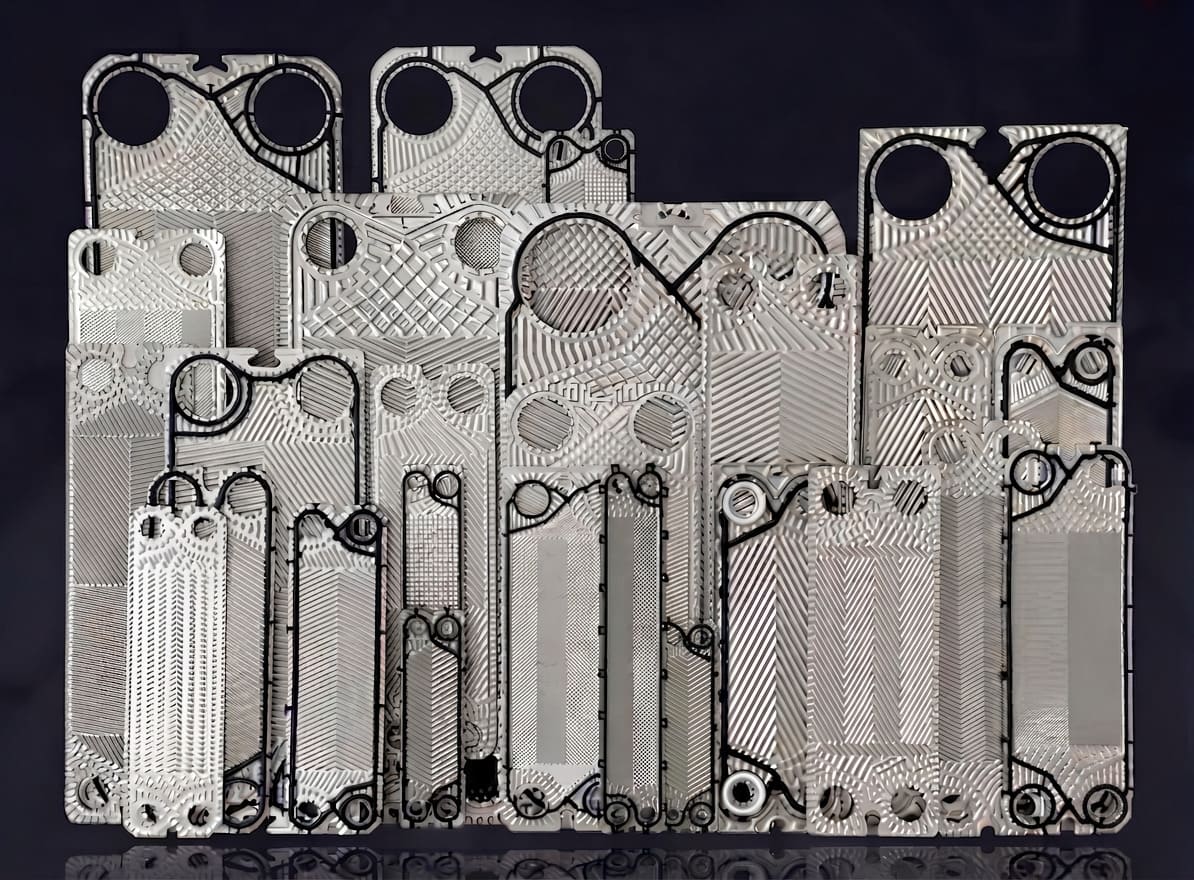
I often talk to maintenance managers like Ahmad. He runs a large food processing plant. He always asks me a question. He wants to know if he should use clip-on or glued gaskets. The answer depends on how your machine runs.
Mechanical Shift vs. Chemical Attack
Clip-on gaskets do not use glue. We also call them Sonder Lock. They snap into place easily. But the plates move if you turn your machine on and off a lot. This mechanical shift makes the clip-on gasket fall out.
Glued gaskets stay in place much better. But the glue is weak against high heat and bad chemicals. The fluid will eat the glue. The gasket will slide and leak.
| Gasket Type | Best For | Main Cause of Failure |
|---|---|---|
| Clip-on | Easy maintenance, steady runs | Frequent starts (Dislocation) |
| Glued | High pressure, less movement | High heat dissolves glue |
You must look at your daily operations. Use strong glue if you stop the machine daily. Clip-on is very safe if you run it for months.
Are You Using the Wrong Gasket Material for Your Fluid?
Bad chemicals eat standard rubber very quickly. Your gaskets will melt or crack if you use cheap materials. You must use the right rubber for your exact fluid.
Using the wrong gasket material causes chemical breakdown. Standard NBR fails in high-temperature oil.7 Basic EPDM gets destroyed by certain acids. You must always match the gasket material to the exact fluid. You must also check the temperature and chemical makeup to prevent rapid seal failure.
I have seen new gaskets turn into hard plastic in just one week. This happens when the buyer picks the wrong material. They just want to save a little money. This mistake costs thousands of dollars in downtime in the B2B world.
Match the Rubber to the Danger
You cannot use one type of rubber for everything. Standard EPDM is great for water and steam. But EPDM will swell up and break if you put oil on it.8
| Material Name | Good For | Bad For |
|---|---|---|
| NBR (Nitrile) | Water, mineral oils, low temp | Steam, strong acids |
| EPDM | Hot water, steam, mild chemicals | Oils, fats, strong solvents |
| FKM (Viton) | High heat, strong acids, harsh oils | Steam, ammonia |
You must be very careful if you work with palm oil refineries. Chemical processing plants also need extreme care. We always ask our clients for the exact fluid details. We supply 100% compatible replacement parts this way. They match Alfa Laval or GEA standards perfectly.
Does Incorrect Tightening Lead to Seal Failure?
Uneven tightening breaks plates and ruins gaskets.9 The heat exchanger will leak immediately if your team rushes the assembly. You must follow the correct tightening rules every single time.
Incorrect tightening destroys the sealing effect. You crush the gasket if you squeeze the plates too hard. You bend the plates if you tighten unevenly. The fluid always finds a gap to escape. You must always use the factory manual for exact measurements to stay safe.
Many workers think tighter is always better. This is completely wrong. You must reach a very specific size when you close a Gasketed Plate Heat Exchanger. We call this the A-dimension. It is the proper tightening length.
The Danger of Over-Tightening
The rubber loses all its stretch if you crush it too much.10 It becomes a hard and flat piece of trash. It will never seal again. I always tell my engineers to measure carefully.
| Tightening Mistake | What Happens Inside | Result |
|---|---|---|
| Too Tight | Rubber is crushed | Permanent damage, instant leak |
| Too Loose | Not enough pressure | Fluid pushes past the rubber |
| Uneven Tightening | Plates twist and bend | Gasket slips out of groove |
You must tighten the bolts in a star pattern. You must keep the plates straight. At Tivo, we do 100% hydraulic pressure testing before shipment. But your maintenance team must handle the unit with care during cleanings in your plant.
Conclusion
Stop water hammer and manage temperature changes to keep your heat exchanger safe. Pick the right gasket type, choose correct materials, and tighten bolts properly. This saves money.
"Common Cause Of Plate Heat Exchanger Failure - News - WTSML", https://www.heatexchangersgasket.com/news/common-cause-of-plate-heat-exchanger-failure-25538295.html. This source identifies common causes of gasket failure in plate heat exchangers, including water hammer, temperature changes, and material issues. Evidence role: general_support; source type: education. Supports: Plate heat exchanger gaskets lose their sealing effect for five main reasons: water hammer pressure spikes, extreme temperature changes, wrong gasket attachment types, incorrect material choice, and bad tightening practices.. ↩
"Hydraulic shock - Wikipedia", https://en.wikipedia.org/wiki/Hydraulic_shock. This source explains the phenomenon of water hammer, including its causes such as rapid valve closure and sudden pump starts. Evidence role: mechanism; source type: encyclopedia. Supports: Water hammer happens when you close valves too fast, creating a massive pressure spike that can damage gaskets.. ↩
"Effect of Temperature on the Tear Fracture and Fatigue Life of ... - PMC", https://pmc.ncbi.nlm.nih.gov/articles/PMC6571577/. This source discusses how temperature fluctuations can lead to material fatigue in rubber seals, causing leaks over time. Evidence role: mechanism; source type: research. Supports: Frequent temperature changes stress rubber seals, leading to fatigue and eventual leakage.. ↩
"Data Center Cooling Chemistry Part 2: Real-World Failures & Fixes", https://alliancechemical.com/blogs/articles/advanced-data-center-cooling-chemistry-part-2-when-theory-meets-reality?srsltid=AfmBOooQZkPEGqlk4CcioT9gF-kHKwSXLRnFcE3Lw10kkwMVr1I_Z9oj. This source highlights the challenges of gasket performance in modern data center cooling systems with frequent temperature and flow changes. Evidence role: case_reference; source type: research. Supports: Modern data center cooling systems experience gasket issues due to frequent temperature and flow changes.. Scope note: The source may focus on specific types of cooling systems and not generalize to all data centers. ↩
"6 Reasons Why Gaskets Fail: Design and Assembly", https://www.rogerscorp.com/blog/2025/6-reasons-why-gaskets-fail-design-and-assembly. This source explains how mechanical movement during frequent starts and stops can dislocate clip-on gaskets, leading to failure. Evidence role: mechanism; source type: research. Supports: Clip-on gaskets fail from mechanical movement during frequent machine starts and stops.. ↩
"Cohesive Vs. Adhesive Failure And Common Fixes", https://www.appliedadhesives.com/blog/adhesive-failure-common-fixes/. This source discusses how exposure to high temperatures and harsh chemicals can degrade the adhesive in glued gaskets, causing failure. Evidence role: mechanism; source type: research. Supports: Glued gaskets fail when hot or harsh chemicals dissolve the glue.. ↩
"The Influence of Oil and Thermal Aging on the Sealing ... - PMC - NIH", https://pmc.ncbi.nlm.nih.gov/articles/PMC11397856/. This source identifies the limitations of NBR rubber, including its poor performance in high-temperature oil environments. Evidence role: general_support; source type: research. Supports: Standard NBR fails in high-temperature oil environments.. ↩
"[PDF] Fernco Rubber Chemical Resistance Chart", https://www.fernco.com.au/wp-content/uploads/2022/07/Fernco-Rubber-Chemical-Resistance-Chart-V002JUL22-LR.pdf. This source explains the chemical incompatibility of EPDM rubber with oils, leading to swelling and degradation. Evidence role: mechanism; source type: research. Supports: EPDM will swell up and break if exposed to oil.. ↩
"The Consequences of Under, Uneven, Over-Torque: Gasket Failure", https://maxprocorp.com/blog/the-consequences-of-under-uneven-over-torque-gasket-failure/. This source describes how uneven tightening can cause mechanical stress on heat exchanger plates and gaskets, leading to failure. Evidence role: mechanism; source type: education. Supports: Uneven tightening breaks plates and ruins gaskets in heat exchangers.. ↩
"Rubber elasticity - Wikipedia", https://en.wikipedia.org/wiki/Rubber_elasticity. This source explains how over-compression of rubber gaskets leads to loss of elasticity and sealing ability. Evidence role: mechanism; source type: research. Supports: The rubber loses all its stretch if over-compressed, leading to permanent damage.. ↩