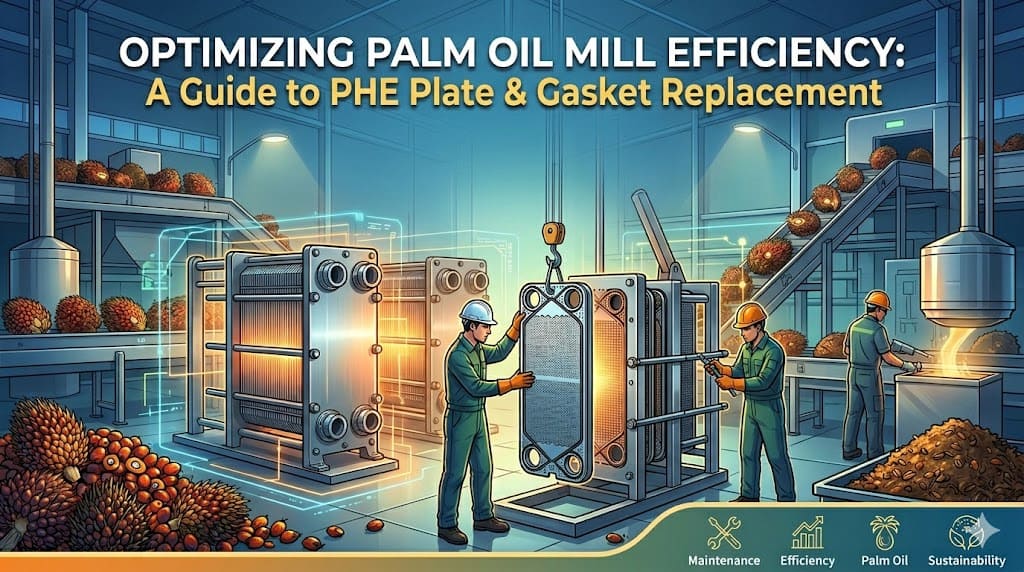
Palm oil processing destroys heat exchangers fast. Frequent leaks and broken plates stop your whole mill and cost you money. This guide shows how you can pick the right replacement parts1.
You can optimize palm oil mill efficiency by upgrading to Titanium plates for wear resistance and using EPDM-Peroxide gaskets2 to survive acid. Precise control of the tightening dimension3 also stops leaks. These simple changes make your Alfa Laval and GEA heat exchangers last much longer.
I have visited many palm oil mills in Indonesia and Malaysia. We work with big companies like SUNGAI BUDI. I see the same problems every time. Plant managers always ask me a question. They want to know why their Alfa Laval and GEA heat exchangers need new parts so often. The sludge is harsh. The chemicals are strong. You do not have to accept frequent breakdowns. I want to share my knowledge. We will look at the real reasons for part failures. We will also look at the best fixes.
Why do hard fibers and sand cause PHE plates to fail early?
Palm oil sludge contains hard fibers and sand. This mixture acts like sandpaper inside your heat exchanger. Your plates get holes quickly. You need a tougher plate design.
Hard fibers and sand in palm oil sludge4 cause mechanical wear5. This wear acts like sandblasting on the plate ridges. You must use replacement plates with exact 1:1 corrugation depth to fix this. You can also upgrade from SS316L to Titanium plates to resist this harsh wear.
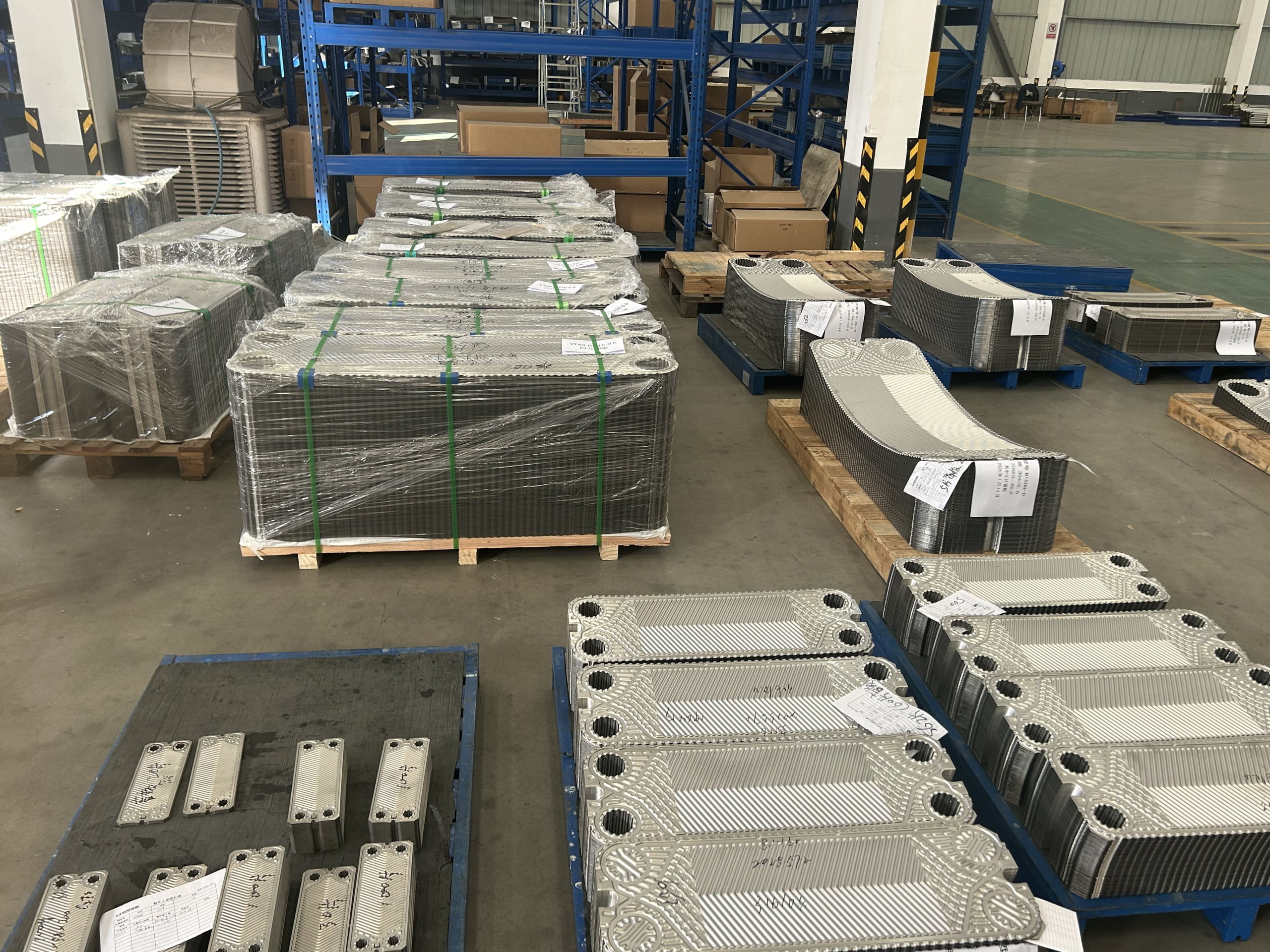
I see many broken plates in palm oil mills. The sludge flows very fast. The hard fibers and tiny sand pieces hit the metal. This action creates a sandblasting effect6. The wear always happens on the ridges of the plate corrugations. The wear hits one spot too hard if the ridges are not even. That spot gets a hole very fast.
We make sure our stamping process is perfect at TIVO7. We keep a 1:1 corrugation depth consistency. Every ridge takes the same amount of force. The wear spreads out evenly. Your plates last much longer.
Many mills use SS316L stainless steel. SS316L is a good metal. The sludge is also acidic. The acid and the sand work together to destroy the metal. I suggest an upgrade for long equipment life. You should switch to Titanium plates. Titanium handles the acid and the physical wear much better.
This table is a simple comparison of plate materials for palm oil mills:
| Material | Best For | Wear Resistance | Acid Resistance |
|---|---|---|---|
| SS316L | Standard sludge | Good | Medium |
| Titanium | High acid and sand | Excellent | Excellent |
You will spend more money on Titanium at first. You will save money later. You will not stop the plant to fix holes.
How does phosphoric acid8 in degumming ruin standard EPDM gaskets?
The degumming process9 uses hot steam and phosphoric acid. This mix melts normal rubber gaskets. Leaks happen quickly. You lose good oil. You must use a better rubber compound.
Phosphoric acid and high heat break down sulfur-cured EPDM gaskets. The rubber becomes thin and sticky. This change causes leaks. You must use EPDM-Peroxide gaskets instead. These gaskets have stronger chemical bonds. They stay firm and keep a tight seal in hot, acidic conditions.
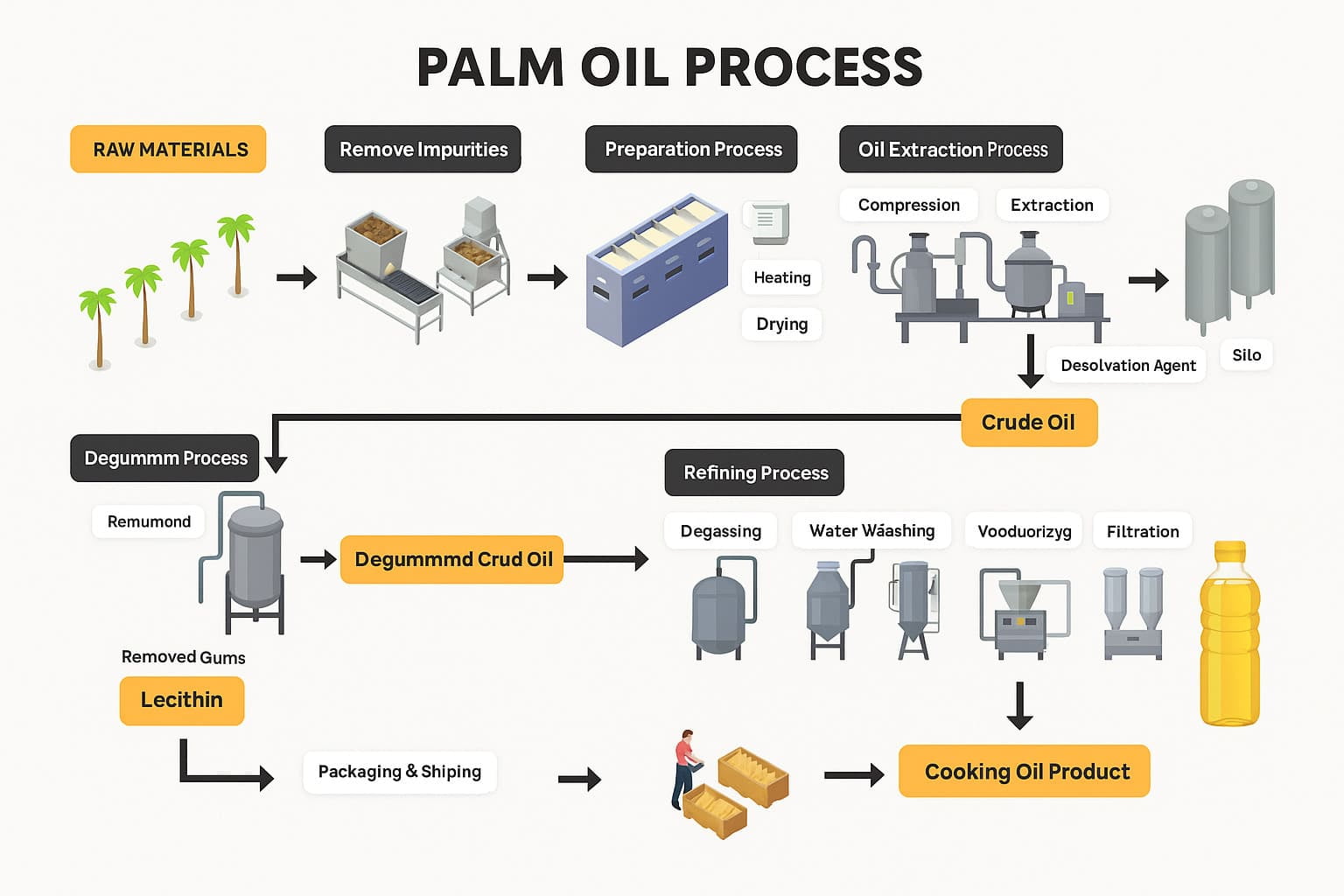
The degumming process is very tough on rubber. You add phosphoric acid to the oil. You heat the oil with steam. This step creates a hot and acidic environment. Normal EPDM gaskets cannot survive this environment.
Normal EPDM uses sulfur to cure the rubber. The acid attacks the sulfur bonds. The gasket gets soft. The rubber turns into a sticky mess. The gasket loses its shape. The hot oil leaks out.
I always tell palm oil managers to stop using standard EPDM. We force the use of EPDM-Peroxide for the refining process at TIVO. We cure the rubber with peroxide instead of sulfur. This method creates a carbon-to-carbon bond. We write this bond as a $C-C$ bond. This bond is much stronger. The acid cannot break the bond easily.
The EPDM-Peroxide gasket will not get thin. The gasket will not get sticky. The rubber keeps its pressure against the metal plates. Your heat exchanger stays completely sealed.
This table shows the importance of the curing method:
| Gasket Type | Curing Method | Bond Type | Acid Resistance | Result in Degumming |
|---|---|---|---|---|
| Standard EPDM | Sulfur | Weak | Poor | Melts and leaks |
| EPDM-Peroxide | Peroxide | Strong $C-C$ | Excellent | Stays firm and seals |
You must ask for EPDM-Peroxide. You do this when you buy replacement parts for your Alfa Laval or GEA units. This choice is the only way to stop acid leaks.
Why do frequent heating and cooling cycles cause cold leaks10 in fractionation?
Fractionation moves between hot and cold very often. This constant change ruins bad gaskets. Cold leaks start when the unit cools down. You need gaskets that bounce back easily.
Heating and cooling cycles make gaskets expand and shrink. A cold leak happens if the rubber does not spring back during cooling. You must use post-cured gaskets11 with high compression set resistance12. You must also maintain the exact tightening dimension3 to stop plates from moving.
The fractionation process is unique. You heat the oil up. You cool the oil down. You do this cycle over and over. This cycle is very hard on the heat exchanger.
The metal and the rubber expand when hot. The parts shrink when cold. You get a gap if the rubber gasket does not bounce back fast enough. We call this gap a cold leak. The leak only happens in the cooling stage. This leak is a big issue with compression set. A good gasket must have a great compression set resistance.
We put our fractionation gaskets through a second heating process at TIVO. We call this process post-curing. This process makes the rubber very springy. The gasket keeps its shape after thousands of hot and cold cycles.
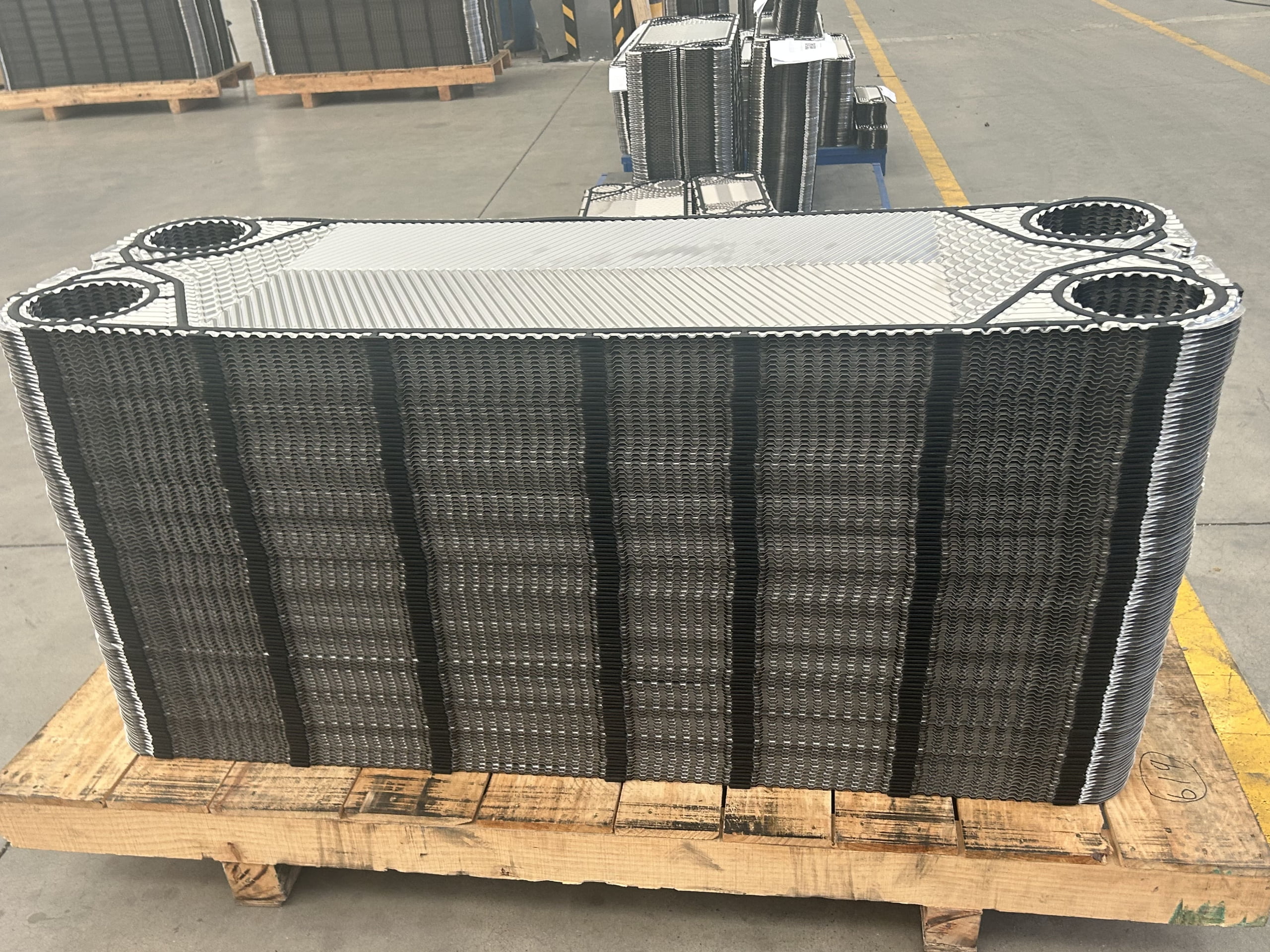
We make many replacement parts for palm oil mills. We make parts for the Alfa Laval M10, Alfa Laval M15, and GEA VT40. We focus on the tightening dimension for these models. We call this size the A dimension. Oil viscosity changes a lot with temperature. The plates will move if the A dimension is wrong. This micro-displacement will tear the gasket clips.
This table shows how you prevent cold leaks:
| Problem | Cause | TIVO Solution |
|---|---|---|
| Rubber stays flat | Poor compression set | Post-cured rubber |
| Plates shift | Wrong A dimension | Precise tightening control |
| Torn clips | Micro-displacement | Exact brand compatibility |
You must control the A dimension. You must use post-cured gaskets. These rules will stop cold leaks in your fractionation plant.
Conclusion
You can stop frequent palm oil mill leaks. You must use Titanium plates, EPDM-Peroxide gaskets, and exact tightening sizes. These simple choices will keep your heat exchangers running much longer.
Get insights on selecting the best replacement parts to enhance the efficiency and longevity of heat exchangers. ↩
Learn about the superior chemical resistance and longevity of EPDM-Peroxide gaskets compared to standard options. ↩
Discover how precise tightening dimensions can prevent leaks and extend the life of heat exchangers. ↩
Understand the composition of palm oil sludge and its impact on equipment performance and maintenance. ↩
Discover the causes of mechanical wear in heat exchangers and how to mitigate its effects. ↩
Learn how the sandblasting effect damages heat exchanger plates and how to choose better materials. ↩
Explore TIVO's innovative solutions for heat exchangers to enhance efficiency and reduce breakdowns in palm oil mills. ↩
Explore the damaging effects of phosphoric acid on gaskets and the importance of using resistant materials. ↩
Explore the degumming process and its challenges, particularly regarding equipment maintenance. ↩
Learn about the factors leading to cold leaks and how to prevent them for better efficiency. ↩
Find out how post-cured gaskets improve performance in fluctuating temperature environments. ↩
Understand the importance of compression set resistance in maintaining effective seals in heat exchangers. ↩