Are you tired of standard heat exchangers failing in corrosive fluids? Copper leaching ruins high-purity systems1. I understand this pain. Let us fix this problem today.
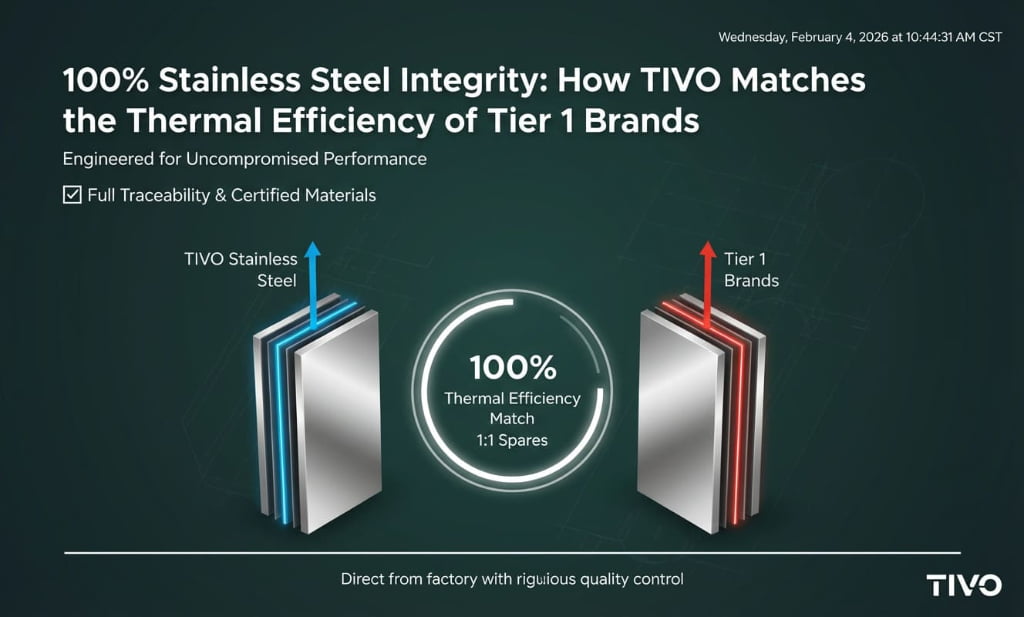
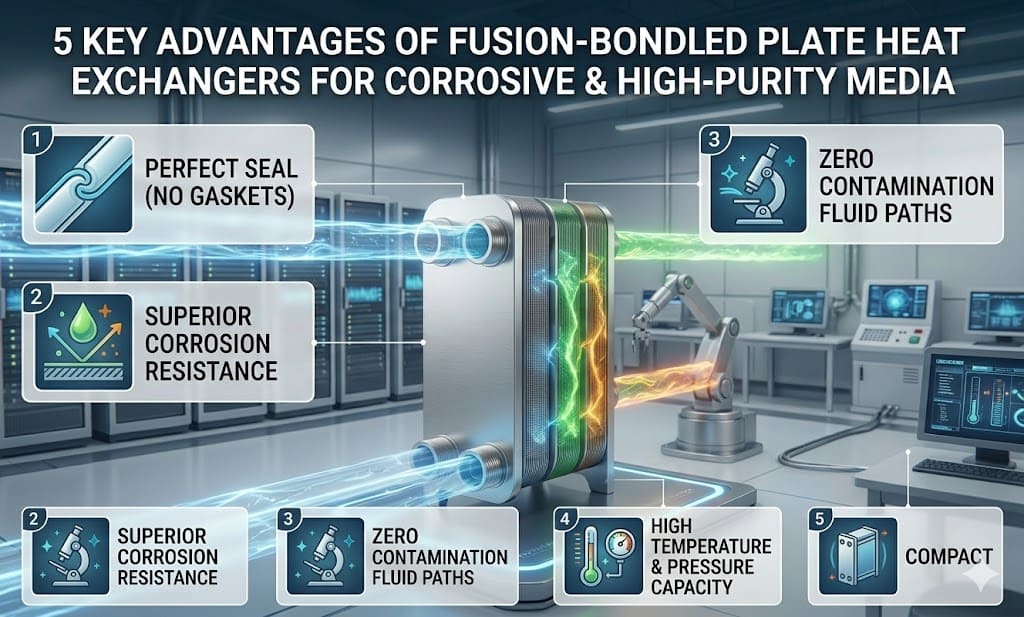
Fusion-bonded plate heat exchangers offer five key advantages: 100% stainless steel integrity2, perfect ammonia compatibility3, a wider temperature range, extreme compactness, and superior thermal shock resistance4. They remove copper completely. This ensures safe and efficient operation in high-purity and highly corrosive industrial environments.
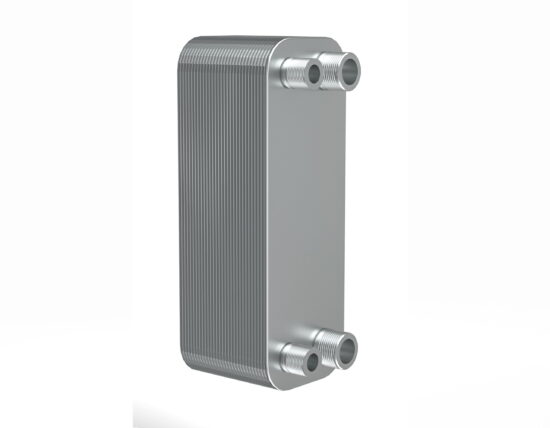
You might think all stainless steel heat exchangers are the same. But standard units still hide copper inside. If you stop reading now, you might choose the wrong equipment and face costly system shutdowns. Let us explore the real differences.
How Does 100% Stainless Steel Integrity Prevent Copper Leaching?
High-purity water gets ruined easily. Even a tiny bit of copper causes huge quality issues. I saw a factory lose thousands of dollars this way. We have the solution.
Fusion-bonded heat exchangers use 100% stainless steel without any copper brazing. This completely removes the risk of copper ion extraction. Your media conductivity stays perfectly stable. This makes it ideal for ultra-pure water and semiconductor cooling.
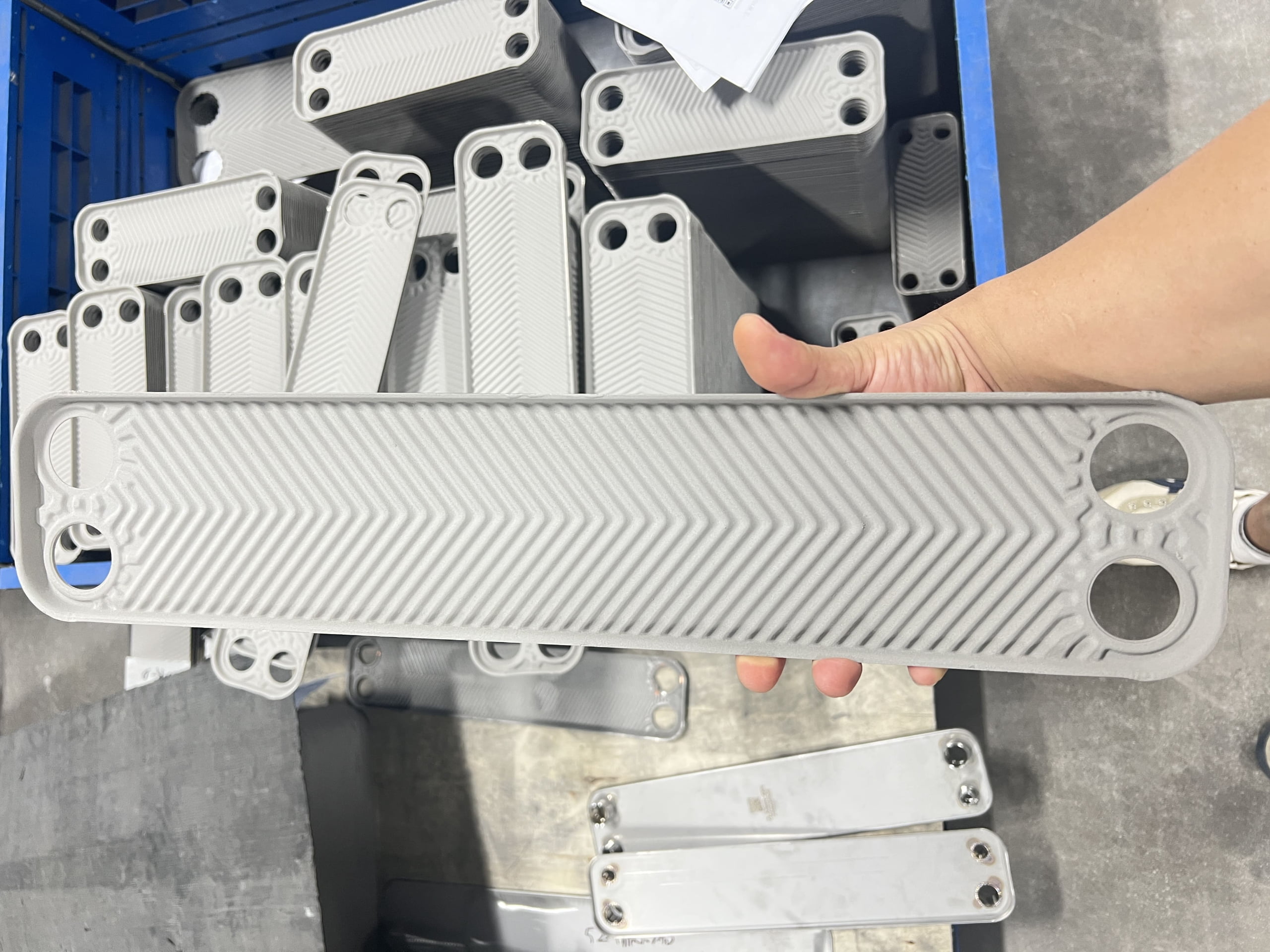
I remember a client who managed a semiconductor plant. They used standard brazed plate heat exchangers5. After a few months, their deionized water6 showed high conductivity. The copper brazing was leaching into the water. This extraction effect is a massive problem for high-purity media.
The Problem with Copper
Deionized water is very hungry. It pulls ions from anything it touches. When it touches copper, it strips the copper ions. This ruins the water purity. You cannot use copper in these systems.
The Fusion-Bonded Solution
At TIVO, our fusion-bonded units melt stainless steel together. We do not use any non-ferrous metals.
| Feature | Standard Brazed Unit | Fusion-Bonded Unit |
|---|---|---|
| Bonding Material | Copper or Nickel | 100% Stainless Steel |
| Risk of Leaching | High | Zero |
| Media Conductivity | Unstable | Absolutely Stable |
| Best Application | Standard chillers | Semiconductors, DI water |
By removing copper, we protect your system. The chemical purity7 stays exact. You do not need to worry about contamination. This is why engineers insist on copper-free units for high-purity chemical plants. It is a simple change. But it saves millions in rejected products. We build these units to keep your water completely safe.
Why Is Superior Ammonia Compatibility Critical for Refrigeration?
Ammonia is a great refrigerant, but it destroys copper fast. Standard brazed joints will fail and leak. I have seen systems break down completely. Let us prevent this danger.
Ammonia reacts chemically with copper, causing fast corrosion and joint failure. Fusion-bonded heat exchangers remove all non-ferrous metals. This makes them 100% safe and reliable for ammonia refrigeration, industrial chillers, and absorption cooling systems.
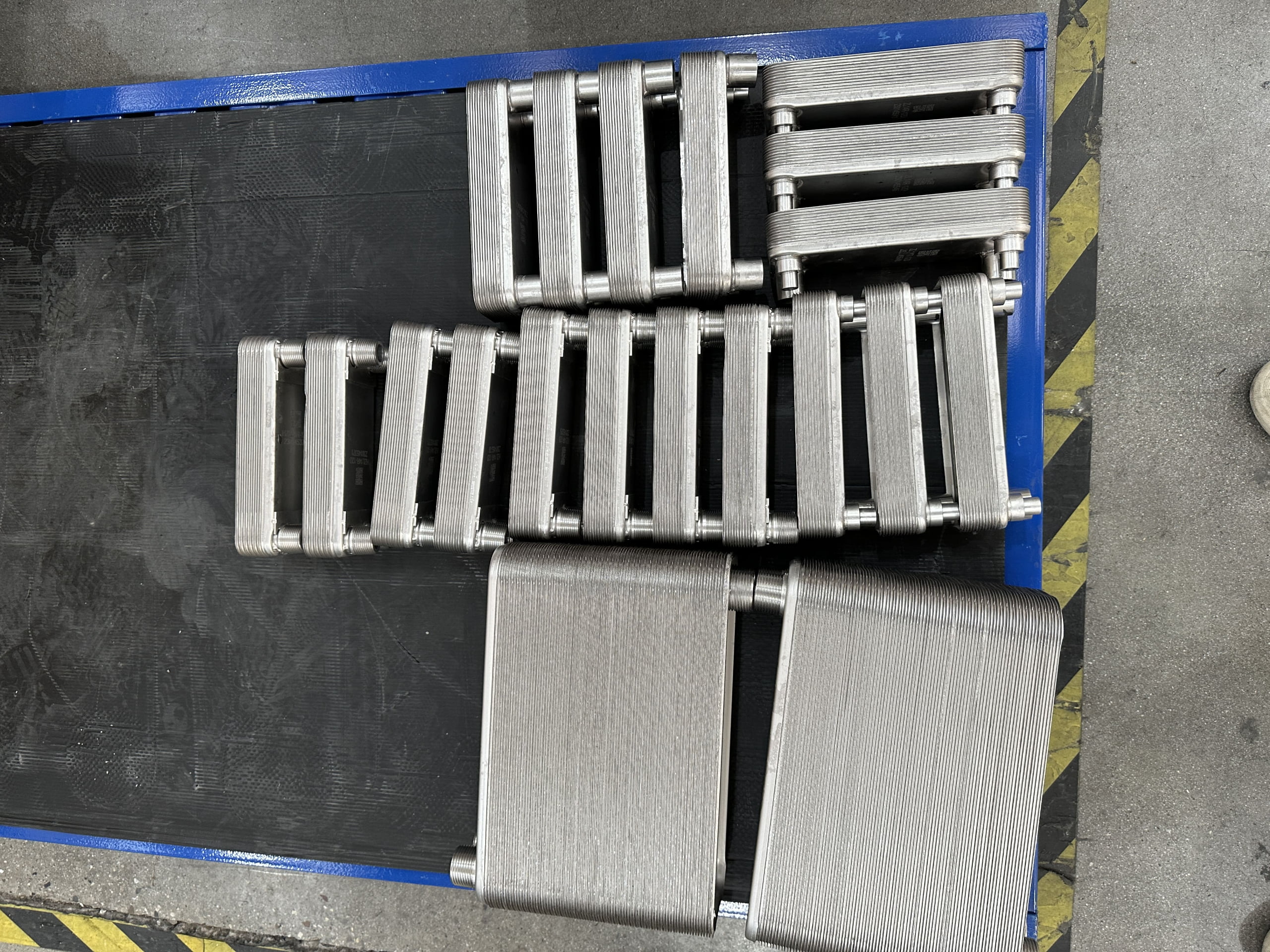
Ammonia is a very popular natural refrigerant. It is highly efficient. It is good for the environment. But it has one major flaw. It eats copper. I once visited an old cold storage facility. They used a standard copper-brazed heat exchanger by mistake. The ammonia dissolved the copper joints in weeks. The whole system leaked. This caused a massive safety hazard.
Chemical Reactions
When ammonia mixes with even a tiny amount of moisture, it becomes highly corrosive to copper. It also destroys zinc. The brazing points become weak very fast. They crack under pressure.
Safe Cooling
Our fusion-bonded heat exchangers are built differently. We use a special manufacturing process. We bond the stainless steel plates directly together.
| Refrigerant | Standard Copper Unit | Fusion-Bonded Unit |
|---|---|---|
| Freon | Safe | Safe |
| Ammonia | Unsafe (Corrodes) | 100% Safe |
| CO2 | Safe | Safe |
This pure steel construction is the top choice for industrial refrigeration8. When you design an ammonia system, you cannot take risks. Fusion-bonded units give you total peace of mind. They last longer. They keep your workers safe. You never have to worry about a sudden ammonia leak9 from a bad copper joint.
Can Fusion-Bonded Heat Exchangers Handle Wider Temperature Ranges?
Extreme heat melts standard brazing materials. Your heat exchanger will warp and break. I know how stressful a high-temperature failure10 is. You need a stronger bond.
Copper brazing melts at lower temperatures, limiting standard units to under 225°C. Fusion-bonded heat exchangers rely solely on stainless steel. Their temperature limit depends only on the steel itself, allowing them to operate safely up to 550°C.
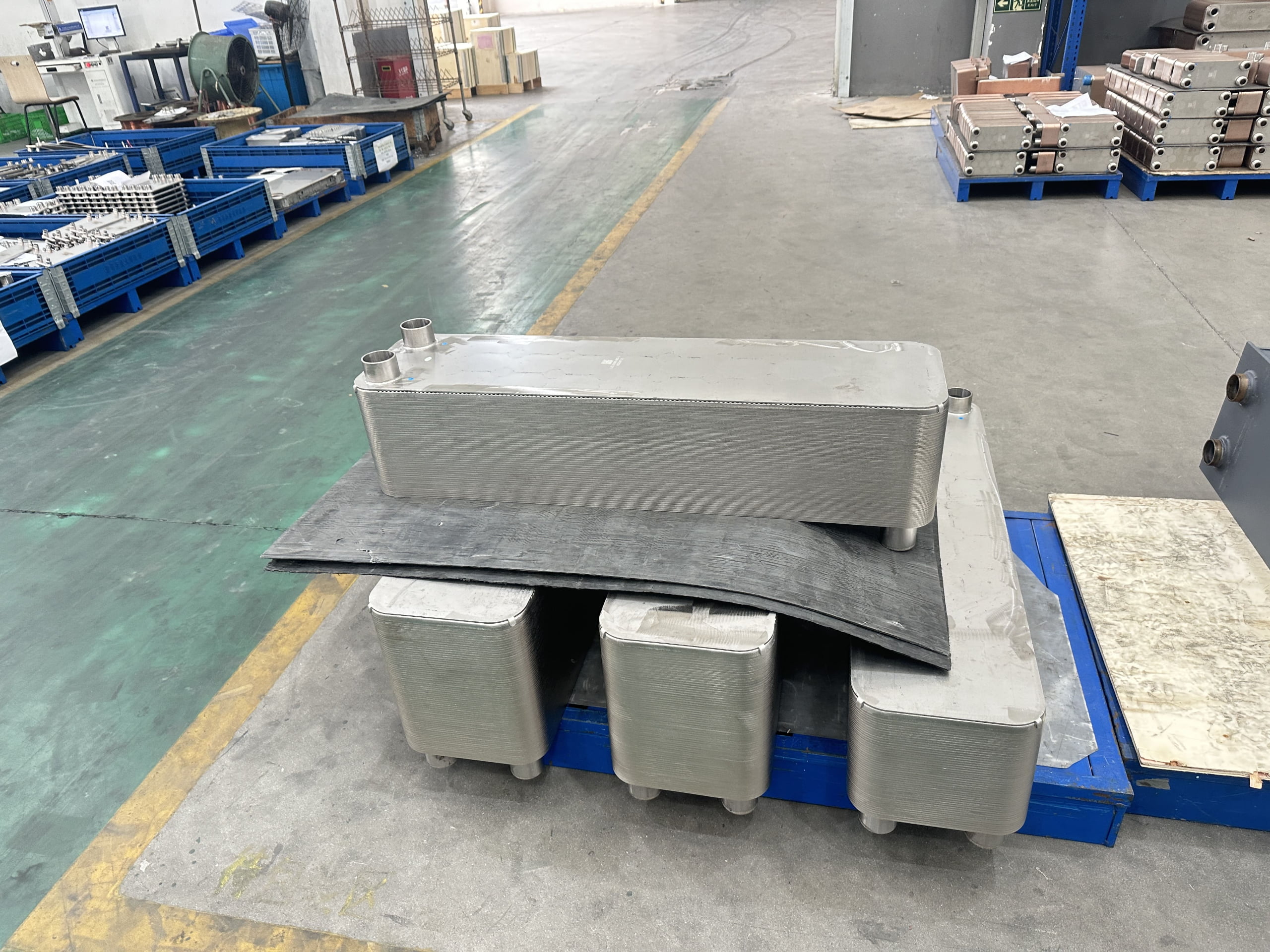
Many industrial processes require very high temperatures. I worked on a project involving waste heat recovery. The exhaust gas was extremely hot. The client wanted to use a standard brazed unit to save money. I warned them against it. Copper loses its strength quickly when it gets too hot.
The Limits of Copper
Copper melts at a lower temperature than steel. Even before it melts, it gets soft. Standard copper-brazed units usually fail if the temperature goes above 225°C. The joints simply let go. Your system will fail.
The Strength of Steel
Fusion-bonded units do not have this weak link. The plates are fused steel-to-steel.
| Heat Exchanger Type | Max Operating Temperature | Bonding Strength |
|---|---|---|
| Copper Brazed | ~ 225°C | Weakens |
| Nickel Brazed | ~ 400°C | Moderate |
| Fusion-Bonded | Up to 550°C | Strong |
Because the entire unit is stainless steel, it can handle up to 550°C. This makes it perfect for heavy chemical processing11. It is also great for high-temperature steam applications. You do not have to worry about sudden joint failures when the heat spikes. The steel holds everything together safely. We test every unit to make sure it survives extreme heat.
How Does a Compact Design Lower Total Cost of Ownership?
Big shell-and-tube heat exchangers12 waste valuable space. They are heavy and cost too much to install. I hate seeing crowded, messy plant rooms. We can shrink your footprint today.
Fusion-bonded units maximize space optimization. Their high heat transfer coefficient means they are 1/5 to 1/10 the size of traditional shell-and-tube units. This compact design13 lowers installation costs. You recover the initial price through energy and maintenance savings in just 1-2 years.
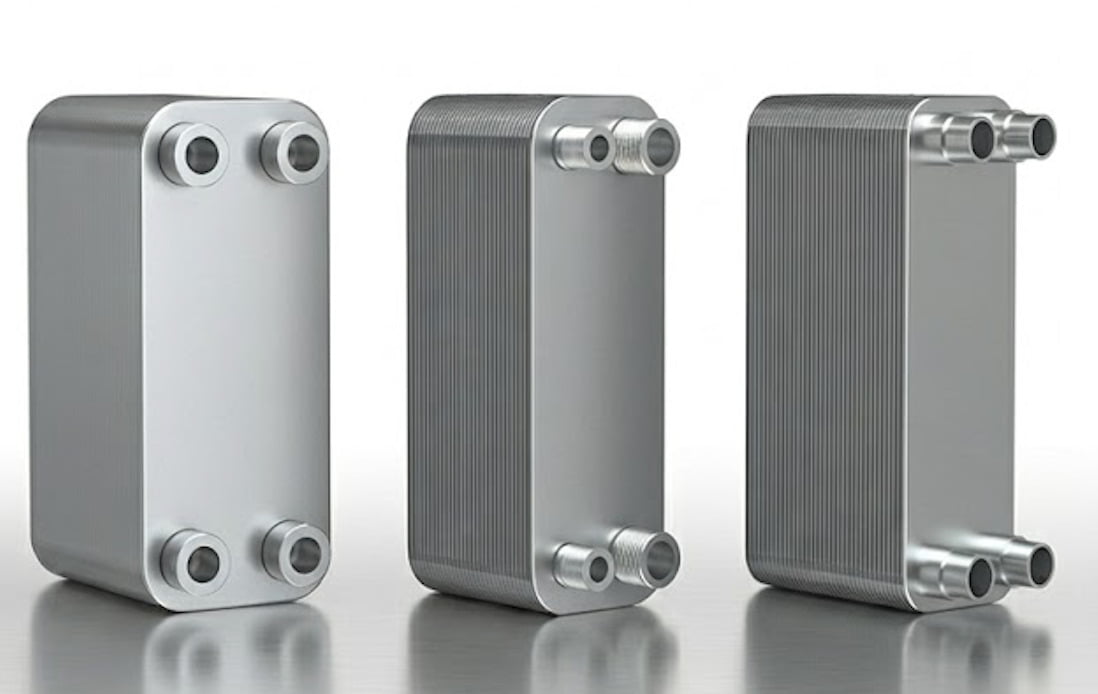
Space is money in modern factories. I recently helped a data center upgrade its cooling system. They needed to install new Cooling Distribution Units. The old server room was tiny. A traditional shell-and-tube heat exchanger would never fit. They were stuck.
Space Optimization
This is where fusion-bonded plate heat exchangers shine. They have incredibly high heat transfer efficiency. For the same cooling load, a TIVO fusion-bonded unit takes up only 10% to 20% of the space of a shell-and-tube unit. This extreme compact design saves you a lot of space.
Total Cost of Ownership
Some buyers worry about the initial price. Yes, fusion-bonded units cost a bit more upfront than standard brazed units. But you must look at the long-term math.
| Cost Factor | Shell & Tube | Standard Brazed | Fusion-Bonded |
|---|---|---|---|
| Initial Purchase | High | Low | Medium-High |
| Space Required | Huge | Very Small | Very Small |
| Maintenance Cost | High | Medium | Very Low |
| ROI Time | 5+ Years | N/A | 1-2 Years |
Because they resist corrosion, they need almost zero maintenance. The Total Cost of Ownership drops fast. The high thermal recovery efficiency14 saves energy every single day. The initial price difference pays for itself in just one or two years. You save money on installation. You save money on power. You save money on repairs.
Do Fusion-Bonded Units Offer Better Thermal Shock Resistance?
Frequent temperature changes destroy standard heat exchangers. The metal expands and cracks the weak brazed joints. I have replaced many broken units. You need a design that survives thermal cycling15.
Yes, fusion-bonded units offer superior thermal shock resistance4. Without soft brazing materials like copper or nickel, the mechanical strength relies entirely on stainless steel. This allows the unit to handle extreme temperature fluctuations and high-pressure environments16. It shows much stronger fatigue resistance over time.
Industrial processes rarely stay at one steady temperature. They start and they stop. They heat up and they cool down. I call this thermal cycling. I once saw a chemical plant where the cooling water turned on and off 50 times a day. The standard brazed heat exchangers cracked within a single year.
The Danger of Thermal Shock
When metals heat up, they expand. When they cool, they shrink. Copper and stainless steel expand at different rates. In a standard unit, this constant push and pull tears the copper brazing apart. This is called thermal fatigue.
Stainless Steel Strength
Fusion-bonded heat exchangers are 100% stainless steel. Every part of the unit expands and contracts at the exact same rate.
| Feature | Mixed Metals | 100% Stainless Steel |
|---|---|---|
| Expansion Rate | Different | Identical |
| Fatigue Resistance | Low | Very High |
| High Pressure Limit | Moderate | High |
This uniform structure gives the unit incredible mechanical strength. It can survive sudden heat spikes up to 400°C without cracking. It also handles extreme pressures. We build these units for tough jobs. You get a machine that simply does not quit. It handles the shock and keeps working perfectly.
Conclusion
Fusion-bonded plate heat exchangers provide pure stainless steel strength. They stop copper leaching17, handle ammonia safely, survive extreme heat, save space, and resist thermal shock perfectly.
Explore the critical requirements for maintaining high-purity systems in industries. ↩
Learn how 100% stainless steel integrity can protect your systems from copper leaching. ↩
Understand the significance of ammonia compatibility in refrigeration systems. ↩
Learn about thermal shock resistance and its importance in heat exchanger design. ↩
Find out the drawbacks of using brazed plate heat exchangers in industrial settings. ↩
Explore the significance of deionized water in industrial applications. ↩
Learn about methods to maintain chemical purity in various industrial processes. ↩
Explore best practices for optimizing industrial refrigeration systems. ↩
Learn about the causes of sudden ammonia leaks and how to prevent them. ↩
Understand the factors leading to high-temperature failures in heat exchangers. ↩
Understand the challenges faced in chemical processing and how to overcome them. ↩
Discover the benefits of shell-and-tube heat exchangers in various applications. ↩
Discover how a compact design can significantly reduce installation and maintenance costs. ↩
Learn about thermal recovery efficiency and its impact on energy consumption. ↩
Learn about thermal cycling and how it impacts the performance of heat exchangers. ↩
Explore the performance of heat exchangers under high-pressure conditions. ↩
Find out how copper leaching can impact water quality and system efficiency. ↩