Leaking heat exchangers stop your production. Cheap gaskets fail fast in harsh oils, costing you time and money. TIVO’s custom NBR gaskets solve this problem and keep plants running.
TIVO NBR gaskets last longer because we use high-ACN formulas1 for extreme oil resistance and peroxide curing for high heat up to 120°C. We keep compression set under 15% and use high-precision molds2 to stop leaks. This gives you safe sealing in tough conditions.
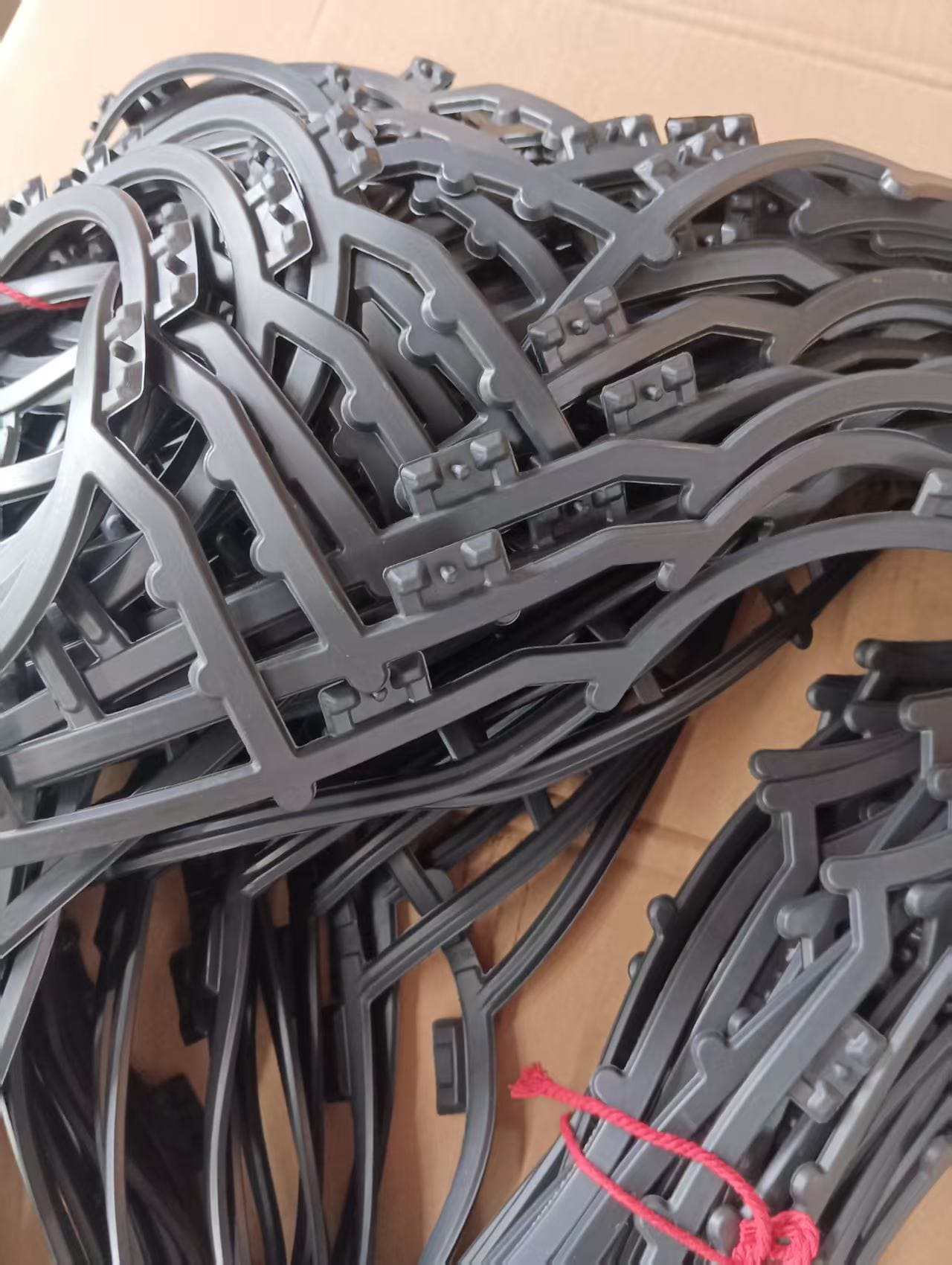
I have visited many plants where bad gaskets caused huge messes. You think you save money on cheap parts, but you pay more later. If you want to know why standard rubber fails and how we fix it, you need to read the details below.
Does High ACN Content Really Make a Difference in Oil Resistance?
Industrial oils eat normal rubber. When your gaskets break down, toxic fluids3 leak. We use high-ACN NBR to block harsh chemicals and protect your equipment.
Yes, ACN content changes everything. Standard suppliers use medium ACN to save money. TIVO4 uses a high-ACN formula of 35% to 45%. Higher ACN gives much better resistance to oils and aromatic compounds. This makes the gasket last much longer in aggressive industrial environments.

Standard suppliers want to make quick money. They use medium ACN rubber because it is cheap. But industrial plants use high aromatic oils5. These oils attack weak rubber. The rubber swells. It gets soft and breaks. I saw this happen at a large palm oil refinery last year. They bought cheap gaskets6. After three months, the plant had to shut down because of leaks. We do things differently at TIVO. We know that tough jobs need tough materials. We push the ACN content up to 35% or even 45%. Acrylonitrile7 is the chemical that fights oil. We call it ACN. More ACN means stronger oil resistance8. It costs us more money to make. But it saves you money later. Food processing plants and chemical factories use oils that destroy cheap parts. Our high-ACN rubber blocks these attacks. When you use our high-ACN NBR gaskets, your heat exchangers stay safe. You do not need to change parts often. We test every batch of material in our factory. We make sure the rubber can handle the worst industrial oils9 without failing.
| Feature | Standard NBR Gaskets | TIVO High-ACN NBR Gaskets |
|---|---|---|
| ACN Content | Low to Medium (cheaper) | High (35% - 45%) |
| Oil Resistance | Weak against aromatic oils | Very strong |
| Cost | Low upfront cost | Higher upfront, low long-term cost |
| Lifespan in Harsh Oils | Short (breaks down fast) | Long (stable and durable) |
Why Is Peroxide Curing Better Than Sulfur Curing for High Temperatures?
Heat destroys standard rubber fast. Hard, brittle gaskets crack and leak under pressure. We use peroxide curing10 to keep the rubber strong and flexible at high temperatures.
Standard gaskets use sulfur curing because it is cheap. But they fail in heat. TIVO uses peroxide curing for heavy-duty jobs. This creates a stronger molecular chain. Our gaskets stay flexible and do not get hard or brittle even when temperatures go above 120°C.
The way you cook rubber matters a lot. We call this cooking process curing. Most cheap gaskets use sulfur curing. Sulfur is very cheap. It is easy to use. But sulfur bonds are weak against heat. When the temperature goes up, the sulfur bonds break. The rubber gets very hard. It breaks like old plastic. I met an engineer in Germany who had this exact problem. His heat pump system ran hot. His standard sulfur-cured gaskets cracked in just six months. Standard rubber starts to die at 90°C. At TIVO, we use a peroxide curing process for high-temperature jobs. Peroxide curing creates carbon bonds in the rubber. These molecular chains are very strong. They are very stable. They do not break easily when it gets hot. Our peroxide-cured rubber laughs at 120°C. Even if your system runs above 120°C, our gaskets keep working. They stay soft. They seal tightly. You save hours of maintenance time. You do not have to worry about sudden leaks from hard rubber. This process takes more time in our factory. It costs more money. But it gives you a product you can trust in heavy-duty environments.
| Curing Process | Chemical Bond | Heat Resistance | Result at 120°C+ |
|---|---|---|---|
| Sulfur Curing | Weak sulfur bonds | Poor | Gets hard, brittle, and cracks |
| Peroxide Curing | Strong carbon bonds | Excellent | Stays flexible and seals well |
How Do We Prevent Loss of Resilience and Keep Compression Set Under 15%?
Gaskets fail when they lose their bounce. Flat rubber leaves gaps for fluids to escape. We optimize our filler formula to keep the rubber bouncy and tight.
Gaskets do not usually rot. They lose their resilience. TIVO optimizes the rubber filler formula11 to fight this. Even under long-term high-temperature squeezing, we keep the compression set under 15%. Standard gaskets often exceed 30%. This means they stay flat and cause big leaks.
Many people think gaskets fail because they rot away. This is wrong. Most gaskets fail because they lose their bounce. In our industry, we call this bounce the compression set. When you press rubber between two heavy metal plates, it tries to push back. This push-back force seals the gap. Over time and heat, cheap rubber gets tired. It stays flat. It does not push back anymore. When the pressure changes, the flat rubber leaves a gap. Fluid leaks out. Standard gaskets have a high compression set. They often stay flat by more than 30%. This is very bad for your heat exchanger. We solve this at TIVO by changing the rubber filler formula. We test different mixes in our lab. We put our rubber in hot ovens for hundreds of hours. We measure the thickness before and after. We find the best balance of materials. Our special formula ensures the rubber keeps its bounce. Even after months of hot squeezing, our gaskets have a compression set of less than 15%. They keep pushing back against the metal plates. Your seal stays tight. Your factory stays clean.
| Gasket Type | Compression Set Rate | Resilience Level | Risk of Leaking |
|---|---|---|---|
| Standard Parts | Over 30% | Low (stays flat) | High risk over time |
| TIVO Gaskets | Under 15% | High (bounces back) | Very low risk |
Can Precision Molds Stop High-Pressure Leaks and Prevent Blow-Outs?
Badly shaped gaskets slip under pressure. High-pressure pulses push cheap rubber out of place. We use high-precision molds to make perfect sealing lips12 that lock in tightly.
Poor molds leave extra rubber called flash. This makes sealing stress uneven. TIVO uses high-precision molds to make perfect sealing lips. The exact shape ensures even pressure everywhere. This stops the gasket from blowing out or slipping during high-pressure pulses13 in your system.
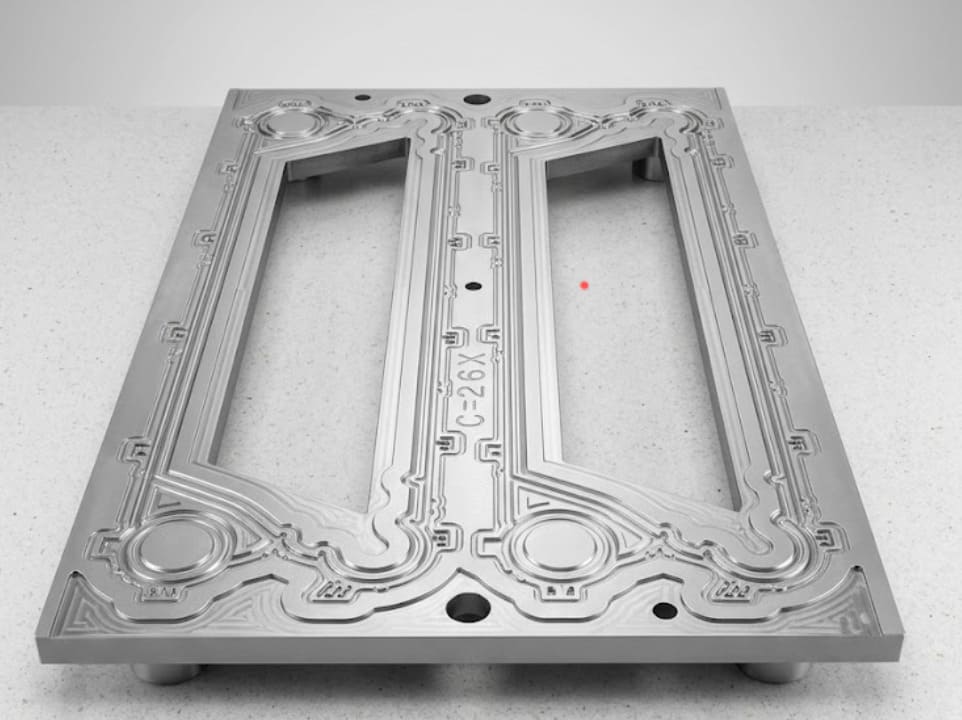
Making a gasket is not just about the chemistry. The physical shape is just as important. Cheap gaskets come from cheap molds. These bad molds leave extra bits of rubber on the edges. We call this extra rubber flash. If the factory does not clean the flash well, the gasket will not fit perfectly. When you close the heat exchanger, the pressure is uneven. Some parts are too tight. Some parts are too loose. When a high-pressure pulse hits the system, the loose parts slip out. We call this a blow-out. TIVO fixes this with high-precision molds. We spend a lot of money to make our molds exact. Our molds shape the sealing lip perfectly every single time. There is no bad flash. The geometry is exactly the same every time. The gasket must match the metal plate groove perfectly. Our exact geometry makes sure there are no weak spots. When you put our gasket in the plate, it fits like a key in a lock. The sealing stress is even across the whole plate. This even pressure holds the gasket firmly in place. High-pressure pulses cannot push it out. You get a safe system.
| Mold Quality | Flash Control | Sealing Lip Geometry | Blow-Out Risk under High Pressure |
|---|---|---|---|
| Low (Cheap Suppliers) | Poor (extra rubber left) | Inconsistent | High risk of slipping out |
| High (TIVO Molds) | Perfect (clean edges) | 100% Exact | Very low risk |
Conclusion
TIVO NBR gaskets last longer due to high ACN content, peroxide curing, low compression set, and perfect molds. We keep your systems safe, tight, and running in harsh conditions.
Explore how high-ACN formulas enhance oil resistance and durability in harsh environments. ↩
Discover how precision molds enhance the sealing capability and reliability of gaskets under pressure. ↩
Understand the risks associated with toxic fluid leaks and the importance of reliable gaskets. ↩
Explore this link to understand how TIVO gaskets enhance durability and efficiency in harsh industrial environments. ↩
Understand how high aromatic oils can damage standard rubber and the need for specialized materials. ↩
Explore the potential costs and failures associated with using low-quality gaskets. ↩
Learn about Acrylonitrile's importance in enhancing rubber's resistance to oils and chemicals. ↩
Find out how oil resistance impacts the longevity and effectiveness of gaskets in industrial settings. ↩
Learn about the challenges industrial oils pose to rubber gaskets and how to mitigate them. ↩
Learn about the advantages of peroxide curing in maintaining flexibility and strength at high temperatures. ↩
Explore how optimizing the rubber filler formula can enhance the resilience and longevity of gaskets. ↩
Explore how the design of sealing lips affects the effectiveness of gaskets under pressure. ↩
Discover how high-pressure pulses can affect gasket performance and the importance of proper design. ↩