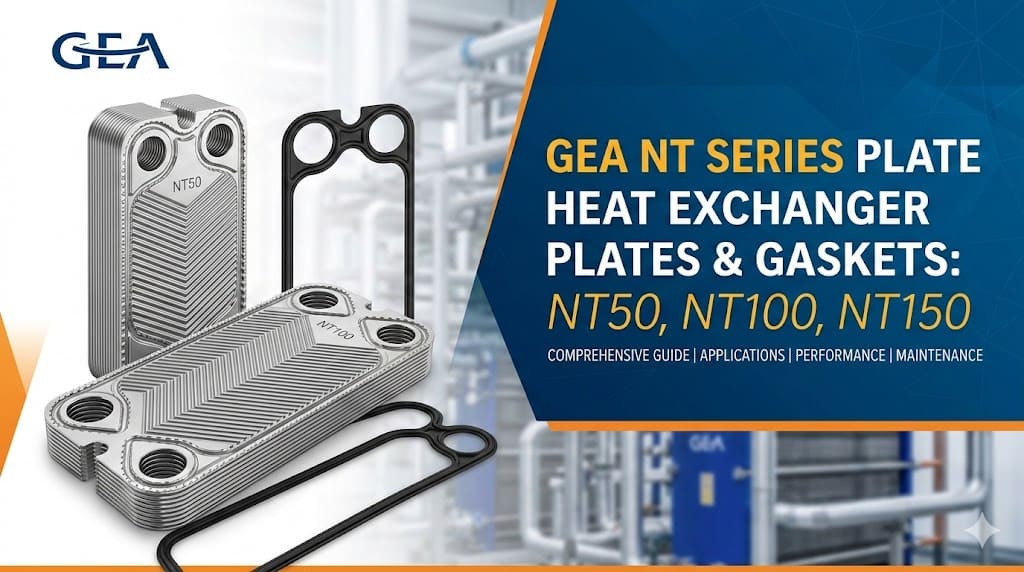
leading paragraph: Are your GEA heat exchangers1 losing efficiency? High OEM replacement costs2 hurt your budget. I have a solution that saves money without sacrificing performance or safety in your factory.
snippet paragraph: The GEA NT series3 (NT50, NT100, NT150) uses OptiWave design4 for uniform flow. Using high-precision compatible plates5 and gaskets restores this efficiency. TIVO provides 100% compatible replacements using 316L or Titanium and NBR/EPDM gaskets, ensuring your system runs smoothly at a fraction of the cost.
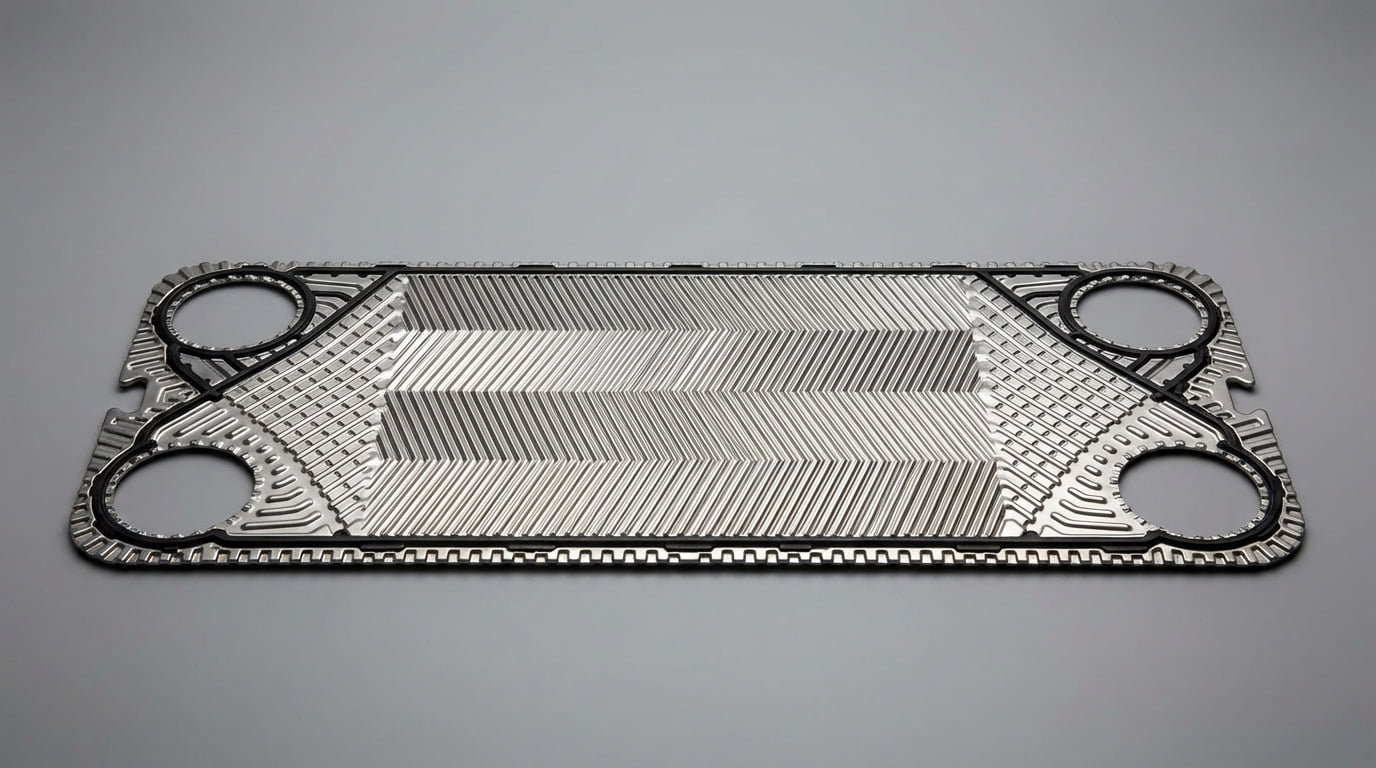
Transition Paragraph: I know how hard it is to find good parts. You worry about leaks. You worry about the plates not fitting into the frame. I used to worry about these things too. But now I know better. I have seen how the right manufacturing process makes a difference. Let me show you exactly how these specific plates and gaskets work to help your business.
LOOP START
Why is the OptiWave Design Critical for Your NT Series?
leading paragraph: Uneven fluid flow causes scaling and kills heat transfer. This leads to costly downtime. You need a plate design that covers every inch evenly to keep energy bills low.
snippet paragraph: The OptiWave design4 distributes liquid across the entire plate width. TIVO6 uses high-precision mapping to replicate this corrugation exactly. This prevents "dead spots" where dirt builds up, ensuring your NT50, NT100, or NT150 unit operates at maximum thermal efficiency7.
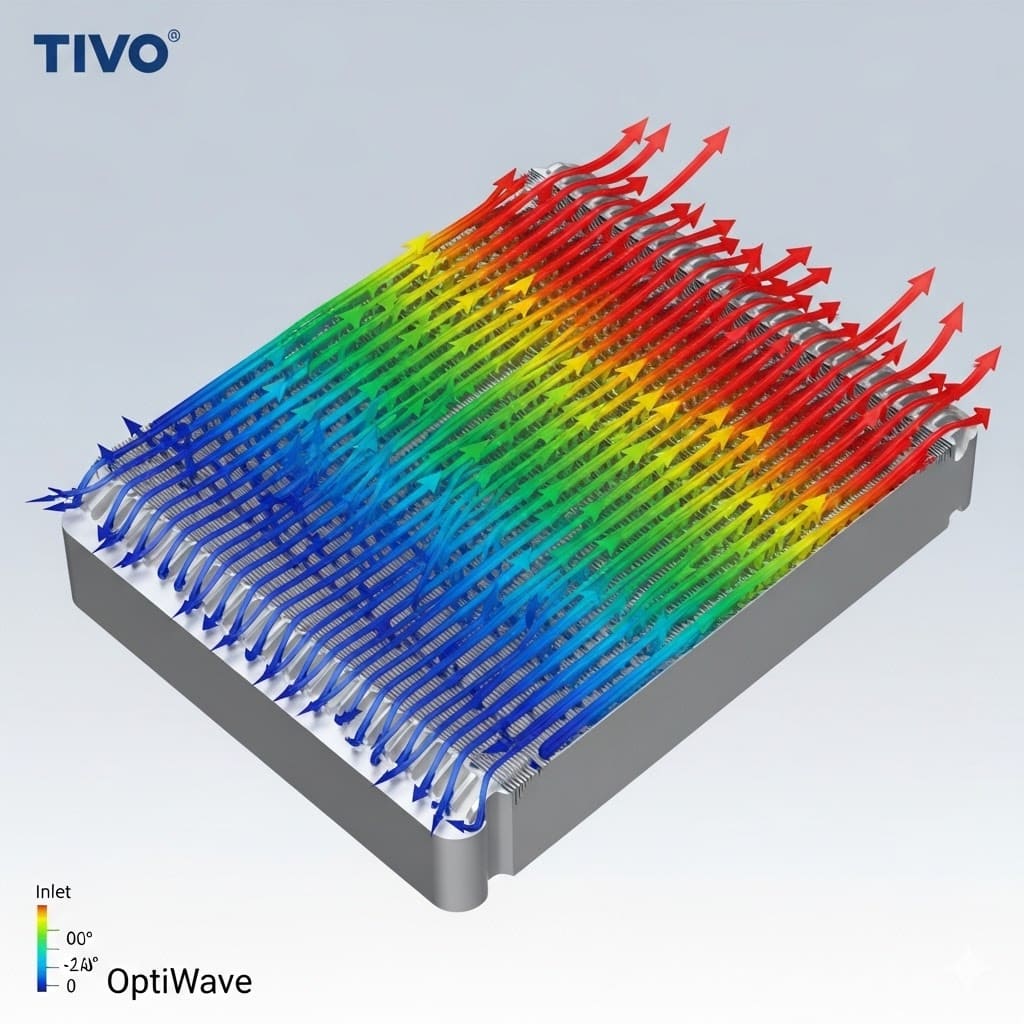
Dive deeper Paragraph: I want to talk about the pattern on the metal plates. GEA calls this OptiWave. It is not just a pretty design. It is very important for how the liquid moves. When the liquid goes into the heat exchanger, it needs to spread out fast. If it does not spread out, you get problems. Some parts of the plate will be hot, and some will be cold. This is bad for heat transfer.
Also, if the flow is not even, dirt and minerals will stick to the plate. This is called fouling or scaling8. When this happens, you have to stop the machine and clean it. That costs you money. I have seen many cheap replacement plates that look right but are not right. Their depth is wrong.
At TIVO, we do not guess. We use high-precision tools to map the original plate. We make a mold that is an exact copy. This means our plates for NT50, NT100, and NT150 fit perfectly. The liquid flows exactly how it should. This keeps the pressure drop9 correct. It also stops dirt from building up in the corners. You get the same performance as the original brand, but you pay less.
| Feature | Poor Quality Replica | TIVO High-Precision Replica |
|---|---|---|
| Corrugation Depth | Inconsistent | Exact match to OEM |
| Flow Distribution | Uneven (creates dead zones) | Uniform (OptiWave standard) |
| Scaling Risk | High | Low |
| Pressure Drop | Unpredictable | Calculated and Stable |
LOOP END
LOOP START
Do Your Gaskets Stay in Place During Maintenance?
leading paragraph: Loose gaskets delay assembly and cause leaks after cleaning. This is a nightmare for maintenance teams. You need a gasket that locks in tight and stays there reliably.
snippet paragraph: The NT series uses a glueless "EcoLoc" system. Our compatible gaskets fit perfectly into the groove. They do not shift during frequent opening for cleaning. This is vital for evaporators and condensers that require regular service to prevent freezing or fouling.
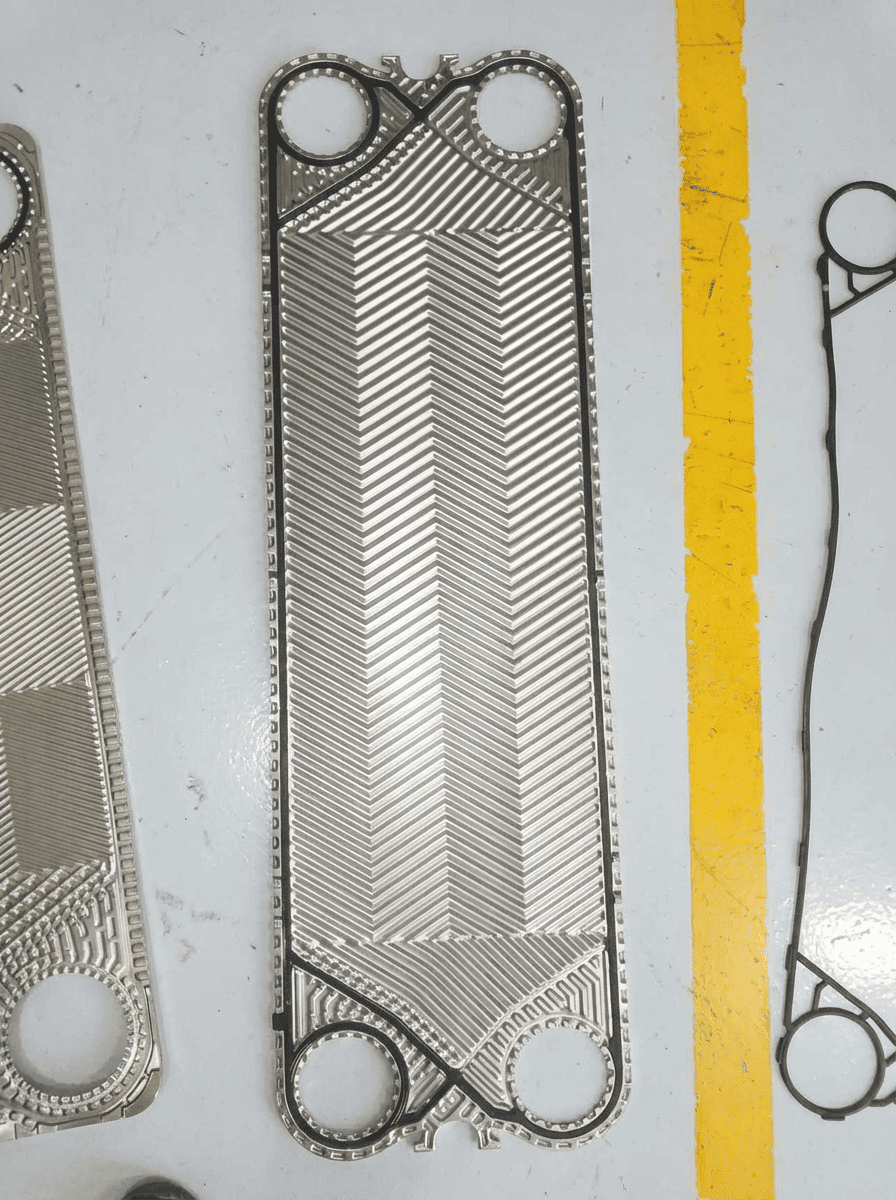
Dive deeper Paragraph: Maintenance is a hard job. I have watched teams try to close a large heat exchanger. It is very heavy. If the gaskets fall off the plate, it is dangerous and annoying. The GEA NT series uses a system called EcoLoc. This means you do not use glue. The gasket snaps into the metal plate. This is great because you can change them fast.
However, the gasket must fit perfectly. If the rubber is too thin or the shape is wrong, it will pop out. This happens a lot with frequent maintenance. For example, if you use the unit as an evaporator or condenser, you might open it often. You need to check for freezing or clean it.
Our gaskets at TIVO are made to hold tight. We test the fit rigorously. When you open the pack, the gasket stays on the plate. It does not shift. This ensures that when you tighten the bolts, everything lines up. You get a perfect seal. You do not have to worry about leaks when you start the pump. This saves your team hours of work. We make sure the rubber compound is strong enough to handle this repeated compression.
LOOP END
LOOP START
Which Material Should You Choose for Your Application?
leading paragraph: Wrong materials lead to corrosion and plate failure fast. Replacing plates is expensive. You must match the metal and rubber to your specific fluid to avoid disaster.
snippet paragraph: We offer AISI 304, 316L, and Titanium10 plates for different acidity levels. For gaskets, we supply NBR, EPDM, and FKM. Choosing the right combination ensures long life for your GEA NT heat exchanger, whether you process water, oil, or chemicals.
Dive deeper Paragraph: Choosing the right material is the most important step. If you pick the wrong one, the chemical will eat the metal. I have seen plates full of holes after just one month. This destroys the whole machine. You need to know what fluid you are using.
For the metal plates, we have three main choices. First is AISI 304. This is for clean water and simple uses. It is the cheapest. Second is AISI 316L. This is the standard for most industries. It resists rust better. Third is Titanium. You must use this if you have salt water or high chloride. It is expensive but necessary for marine jobs.
For the gaskets, we also have options. NBR is for oil and water. It is good for general use. EPDM is for hot water and steam. It handles heat well but hates oil. FKM is for strong chemicals and very high heat. We check every batch of material in our lab. We use spectral analysis to prove the metal is real. We check the rubber to make sure it is elastic.
Here is a simple guide to help you choose:
| Component | Material | Best Application | Temperature Limit |
|---|---|---|---|
| Plate | AISI 304 | Clean water, river water | Up to 400°C (metal limit) |
| Plate | AISI 316L | General industry, food, cooling | Up to 400°C (metal limit) |
| Plate | Titanium | Sea water, salt brine | Up to 400°C (metal limit) |
| Gasket | NBR | Water, Oil, Fats | Approx. 110°C |
| Gasket | EPDM | Steam, Acids, Ozone | Approx. 150°C |
| Gasket | FKM (Viton) | Strong Acids, Organic Solvents | Approx. 200°C |
LOOP END
Conclusion
TIVO offers precise, high-quality replacement plates and gaskets11 for GEA NT50, NT100, and NT150. We ensure optimal flow, easy maintenance, and correct materials to save you money and time.
Explore the advantages of GEA heat exchangers to understand their efficiency and cost-effectiveness. ↩
Learn strategies to minimize OEM replacement costs and improve your budget management. ↩
Explore this resource to understand how the NT Series enhances efficiency and reduces costs in industrial applications. ↩
Discover how the OptiWave design enhances heat exchanger performance and efficiency. ↩
Find out how high-precision compatible plates can restore efficiency in heat exchangers. ↩
Explore how TIVO's high-precision parts can enhance efficiency and reduce costs for your GEA heat exchangers. ↩
Discover methods to enhance thermal efficiency and reduce energy costs in your systems. ↩
Understand the causes of fouling and scaling to prevent costly downtime in your operations. ↩
Learn about pressure drop and its impact on heat exchanger performance and efficiency. ↩
Explore the differences between these materials to make informed choices for your applications. ↩
Find out key factors to consider for purchasing high-quality replacement plates and gaskets. ↩