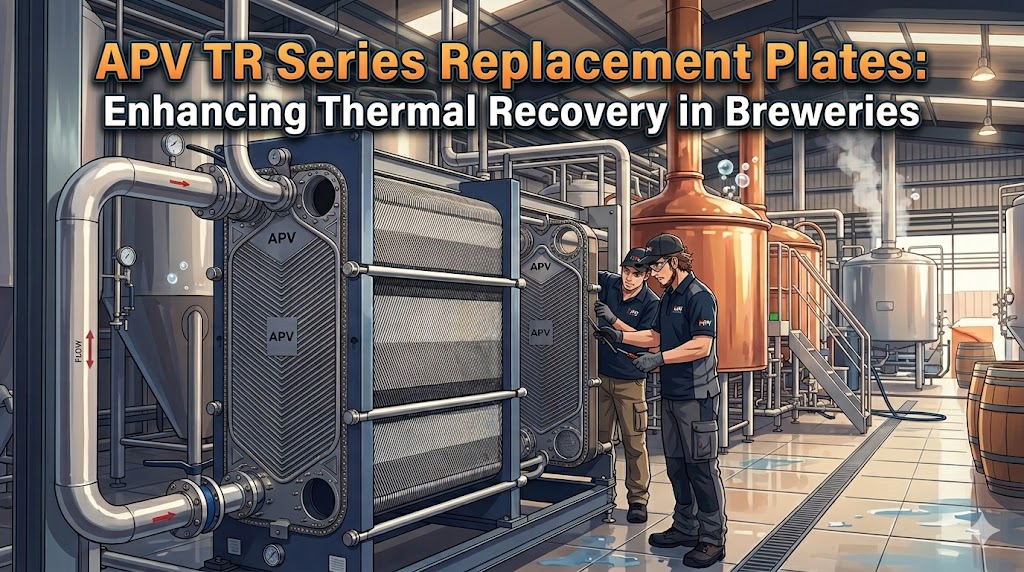
Is your brewery losing money due to poor heat transfer? Scaling and leaks ruin your efficiency. Discover how the right replacement plates solve this problem and save costs.
APV TR series replacement plates1 improve brewery heat transfer by keeping the exact channel depth, fighting heat fatigue during pasteurization, and using strong EPDM gaskets2. This stops wort fouling3, prevents leaks, and keeps your daily brewing operations safe and highly efficient.
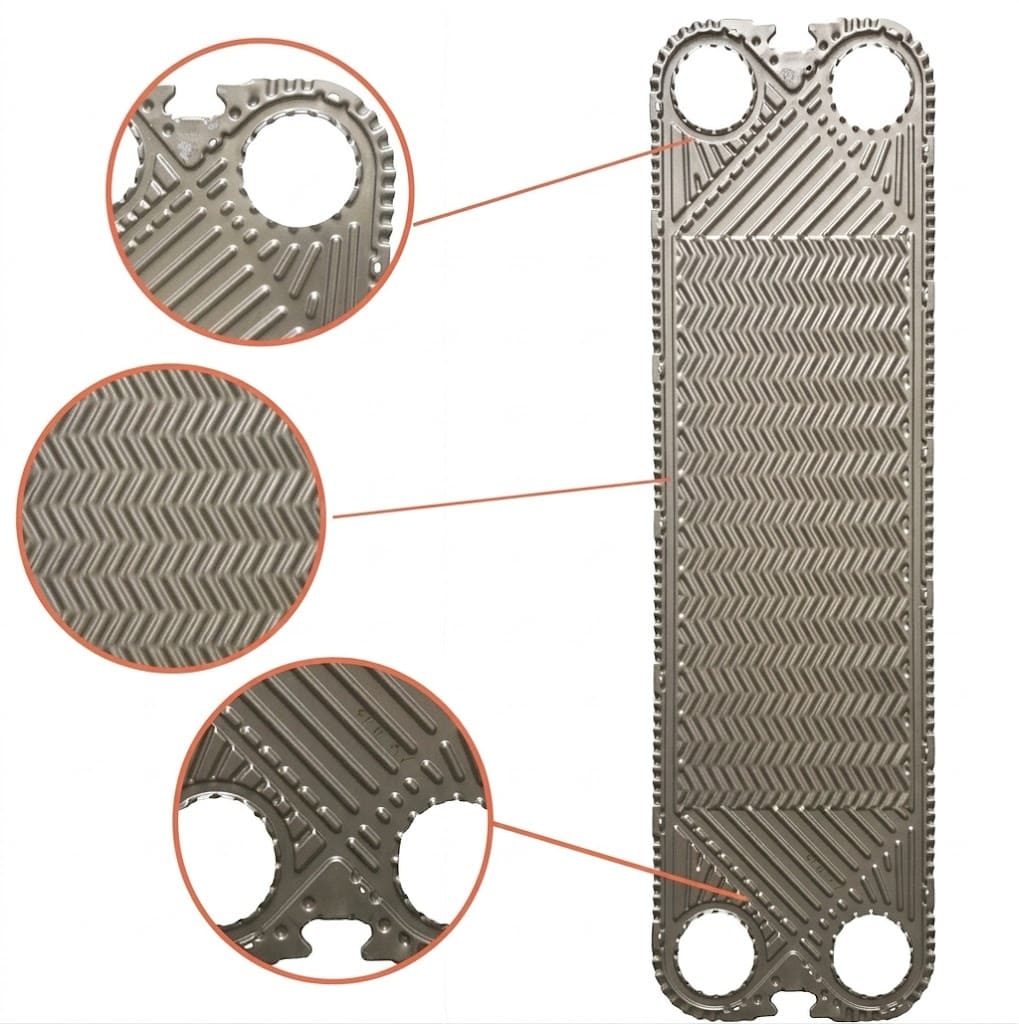
You might think all replacement parts are the same. But using the wrong plates can stop your production line. Let me show you how we solve the biggest challenges in brewery heat exchangers.
Why Does Wort Fouling Happen and How Can We Stop It?
Does cold trub clog your heat exchanger? This buildup slows down production and wastes energy. Let us look at how specific plate designs prevent this sticky problem.
Wort fouling happens because cold trub4 sticks to the plates. We stop it by using APV TR series replacement plates with precise channel depths. This design creates the right fluid flow to sweep the plates clean while keeping pump pressure low.
In my years of working with food processors, I often see breweries struggle with wort cooling. Wort contains a lot of cold trub. This trub is a heavy mix of proteins and sticky hop materials. The hot wort cools down. Then, this trub falls out of the liquid. It easily forms a thick scale inside the heat exchanger. This sticky scale blocks the heat flow completely.
The APV TR series uses a special wave design to fight this exact issue. This design balances fluid flow and pressure drop perfectly. If the flow is too slow, the cold trub just sticks to the metal plates. If the pressure drop is too high, your pumps have to work too hard. This wastes a lot of electrical power every day. It can also damage the expensive pump seals over time.
At TIVO5, our replacement plates strictly keep the original factory channel depth. We do not change the plate shape at all. Why is this exact match so important for your plant? Let us break it down in a simple table.
| Factor | Poor Channel Depth | TIVO Exact Channel Depth |
|---|---|---|
| Fluid Flow Pattern | Uneven flow and dead zones | Smooth and fast flow |
| Fouling Risk | High risk of cold trub buildup | Low risk with self-cleaning |
| Energy Use | High pump power needed | Normal pump power used |
| Maintenance | Needs frequent opening to clean | Runs much longer between cleanings |
We match the exact depth. So, the fluid flows exactly as the original engineers planned. The fast moving liquid acts like a strong brush. It scrubs the plates clean as it flows through the channels. This keeps your heat transfer very high. You save money on heating and cooling every month. You also spend less time opening the unit for manual cleaning. This means your brewery can produce more beer every single week.
How Do Temperature Changes Cause Metal Fatigue in Heat Exchangers?
Do your plates crack after a few months? Frequent temperature changes6 stress the metal. See how we stop micro-cracks and keep your beer safe from cooling water.
Temperature changes cause metal fatigue7 because frequent heating and cooling make the metal expand and shrink. Over time, this creates tiny cracks at the plate contact points. We solve this by using stress relief testing8 after stamping to ensure long-term plate strength.
Beer pasteurization is a very tough process for any factory equipment. It requires frequent and rapid heating and cooling. This means the heat exchanger plates face high heat stress every single day. The metal expands when it gets hot. It shrinks when it gets cold. This constant movement puts a lot of physical stress on the metal structure.
In my experience, common TR9 plate failures in breweries come directly from this exact issue. The changing heat stress causes severe metal fatigue over time. Soon, tiny micro-cracks appear at the contact points of the plates. These contact points are where the plates touch each other to stay strong under pressure. If a plate gets a micro-crack, the cooling water can mix with your expensive beer. This ruins the whole batch of product. It costs your brewery a lot of money and hurts your brand reputation.
We take this problem very seriously. At TIVO, our plates go through strict stress relief testing after the heavy stamping process. We must make sure the metal is not brittle and hard.
| Problem Area | Root Cause | TIVO Manufacturing Solution |
|---|---|---|
| Micro-cracks | Frequent heating and cooling cycles | Stress relief testing after stamping |
| Point Perforation | Brittle metal at the plate contact points | High-quality 316L or Titanium material |
| Product Mixing | Cracked plates leaking cooling water | 100% material and water pressure testing |
We test the stress relief carefully. This makes sure the plate contact points do not break during long-term use. The metal stays flexible enough to handle the daily heat changes. This gives you total peace of mind on the production floor. Your beer stays pure and safe for your customers. You will not have to throw away bad batches due to hidden leaks inside the machine.
Why Do Standard Gaskets Fail During Brewery Cleaning Processes?
Are your gaskets leaking after a cleaning cycle? Harsh chemicals destroy cheap rubber fast. Find out why upgrading your gasket material stops sudden leaks and machine downtime.
Standard gaskets fail because high-temperature cleaning chemicals make the rubber swell and lose sealing force. We prevent this by providing special EPDM gaskets for the TR series. These gaskets resist brewing chemicals9 much better than standard options and keep your heat exchanger sealed tight.
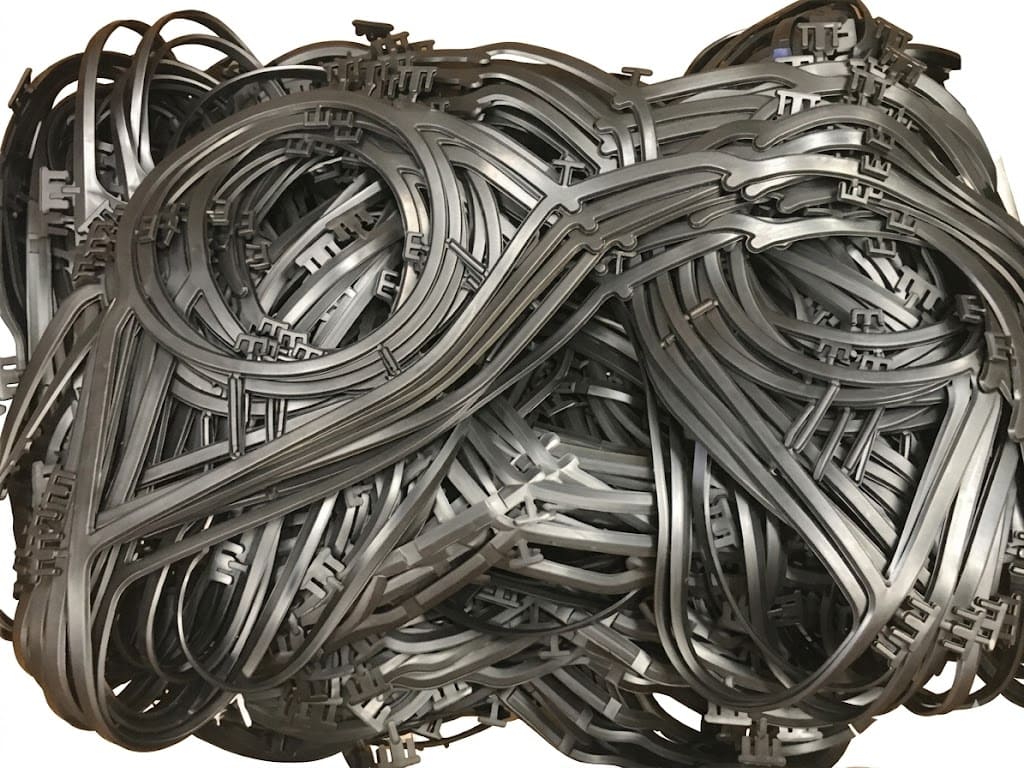
Breweries must keep their equipment very clean at all times. To do this, they use aggressive automatic cleaning systems10. This cleaning process uses high-temperature alkaline liquids to wash away organic waste. Many standard aftermarket gaskets simply cannot handle this harsh chemical environment for very long.
Cheap rubber touches hot alkaline fluid. Then, it reacts badly. It swells up very quickly. We call this process swelling. The rubber swells. Then, it loses its original shape. More importantly, it loses its strong sealing force against the metal plates. Then, the heat exchanger starts to leak fluid onto the floor. You have to stop the whole plant immediately. You have to open the unit and change all the broken gaskets. This hurts your production schedule badly. It costs you a lot of expensive labor time.
We solved this big issue by changing how we make the rubber. TIVO provides special EPDM gaskets for the TR series. We use a peroxide-cured process. This is a much better way to bake the rubber during manufacturing.
| Gasket Type | Rubber Making Method | Chemical Resistance | Swelling Risk in Cleaning |
|---|---|---|---|
| Standard EPDM | Normal Sulfur method | Basic level | High risk in hot alkali |
| TIVO EPDM | Advanced Peroxide method | Over 30% Higher | Very Low risk |
Our peroxide-cured gaskets11 offer much higher chemical stability. Their resistance to brewing-specific cleaning chemicals is over 30% better than standard gaskets. They stay firm. They keep their exact shape. They hold the seal tight against the plates under high pressure. This means you can run your hot cleaning cycles12 as often as you need. You do not have to worry about sudden leaks breaking your daily routine. Your maintenance team can focus on other important tasks instead of fixing broken equipment.
Conclusion
Using the right APV TR series replacement plates stops fouling, prevents metal cracks, and ends gasket leaks. You save money, protect your beer, and keep your brewery running smoothly.
Learn how APV TR series plates can optimize your brewing process and prevent costly issues. ↩
Explore the benefits of using EPDM gaskets in brewing to prevent leaks and ensure durability. ↩
Discover methods to prevent wort fouling, ensuring smoother operations and better beer quality. ↩
Understand the impact of cold trub on brewing efficiency and how to manage it effectively. ↩
Explore how TIVO's innovative solutions enhance brewery efficiency and prevent costly issues. ↩
Understand the effects of temperature changes on brewing equipment and how to mitigate risks. ↩
Learn about metal fatigue in heat exchangers and how to prevent it for longer equipment life. ↩
Learn about the importance of stress relief testing in manufacturing to ensure product reliability. ↩
Learn about harmful brewing chemicals that can damage equipment and how to choose safer alternatives. ↩
Explore the functionality of automatic cleaning systems and their benefits for brewery operations. ↩
Explore this resource to understand how peroxide-cured gaskets enhance durability and chemical resistance, crucial for efficient brewery cleaning. ↩
Get insights on optimal cleaning cycles for breweries to maintain equipment and product quality. ↩