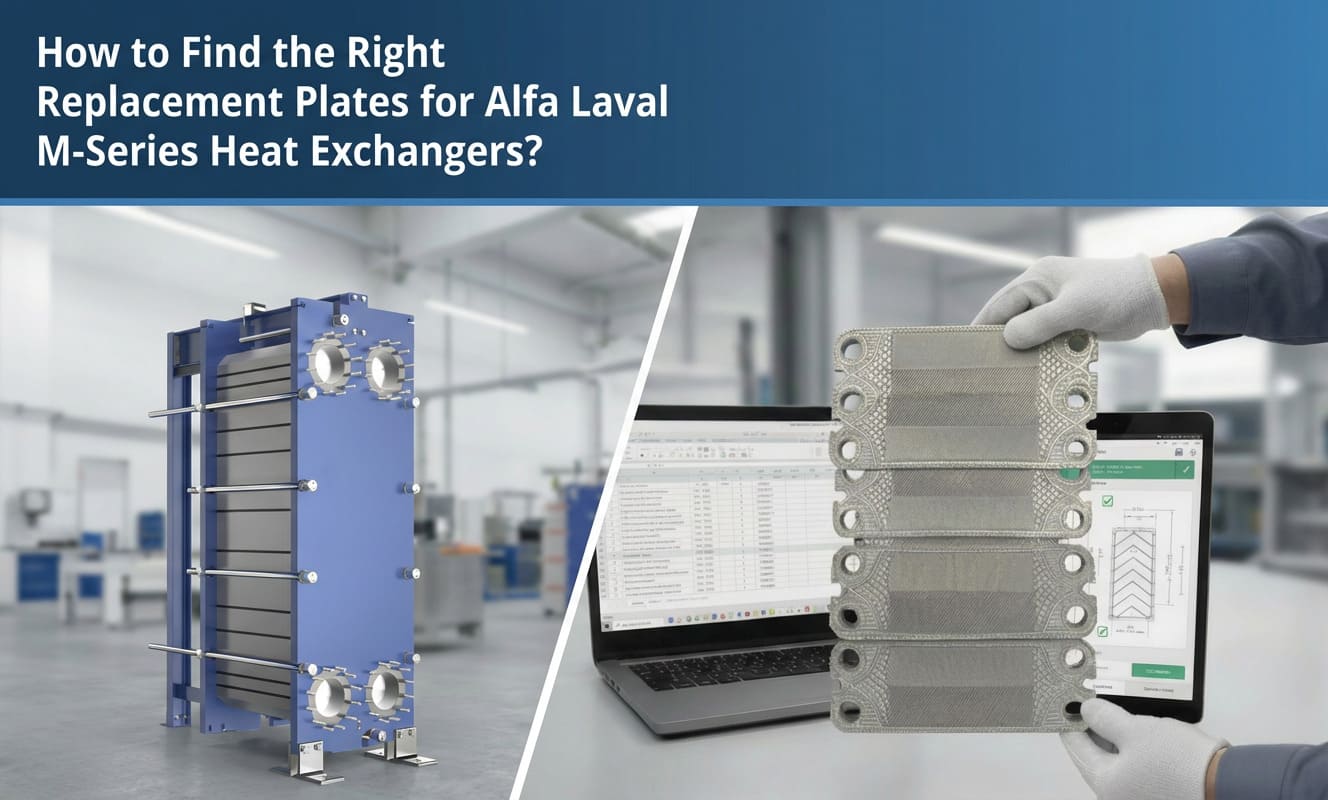
Your Alfa Laval M-series1 heat exchanger needs new plates. But OEM parts are expensive and slow to arrive. Using the wrong replacement can cause leaks, costing you time and money.
To find the right replacement plates for an Alfa Laval M-series, you must verify three things. Check for tooling precision to ensure a safe thinning rate2, strict quality control with precise instrumental measurements, and certified material grades3 like 316L4. Never rely on a simple visual check alone.
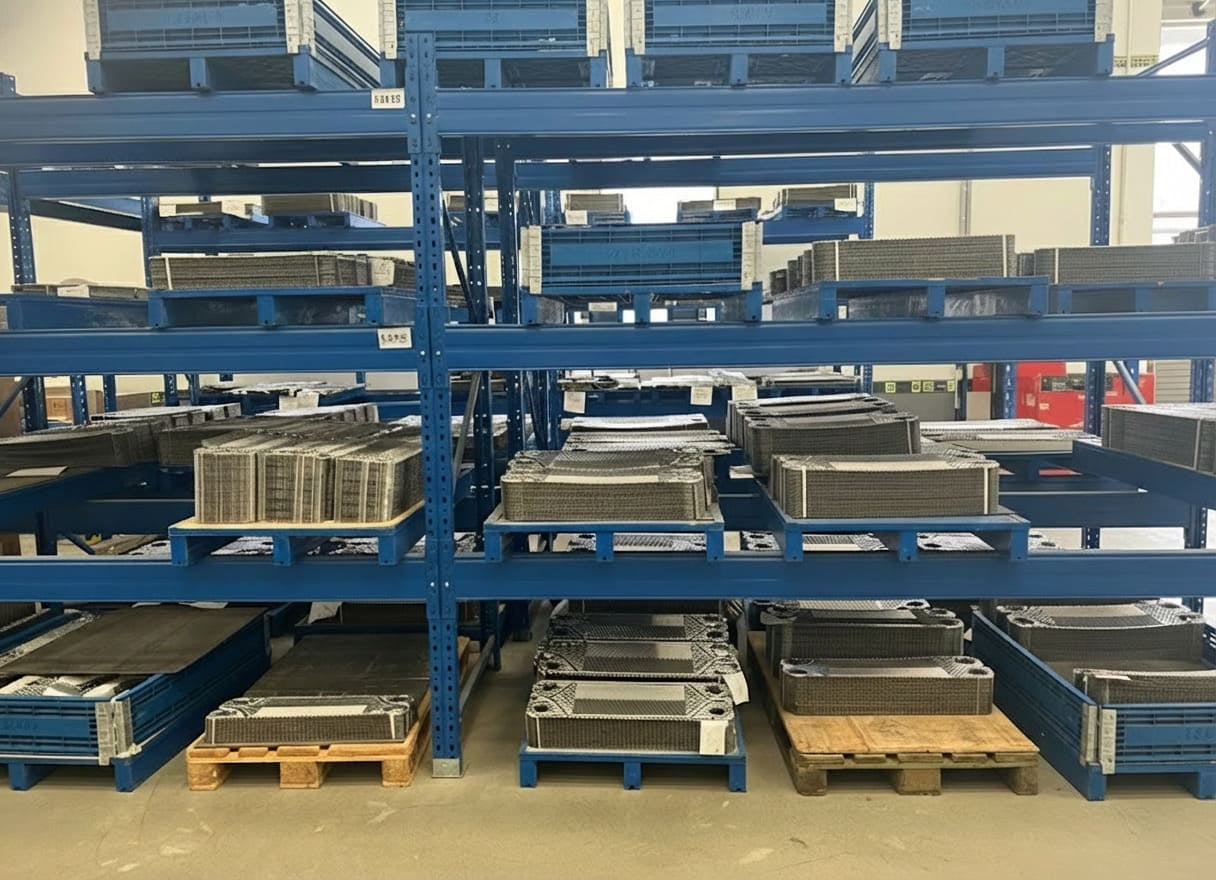
Finding a reliable aftermarket supplier can feel like a big risk. I get it. You need parts that fit perfectly and perform just as well as the originals, but without the high price tag and long wait. Many people think a plate is just a plate, but the small details—like the microns of steel lost during pressing—make a huge difference. I've spent 15 years visiting factories and seeing firsthand what separates a great replacement part from a costly mistake. Let’s break down the critical factors you need to look at.
Why Does Tooling Precision Matter So Much for Replacement Plates?
You think all replacement plates are the same. But a tiny error in the factory's mold can create huge problems, from constant leaks to poor efficiency. Let’s look at why this precision is so important.
Tooling precision is critical because it ensures the plate's dimensions are 100% identical to the original. This includes the center distance and, crucially, the thinning rate. Even a millimeter off in the mold can create uneven gasket5 compression, while poor tooling causes the metal to stretch too thin at the peaks, leading to premature cracks in your M-series unit.
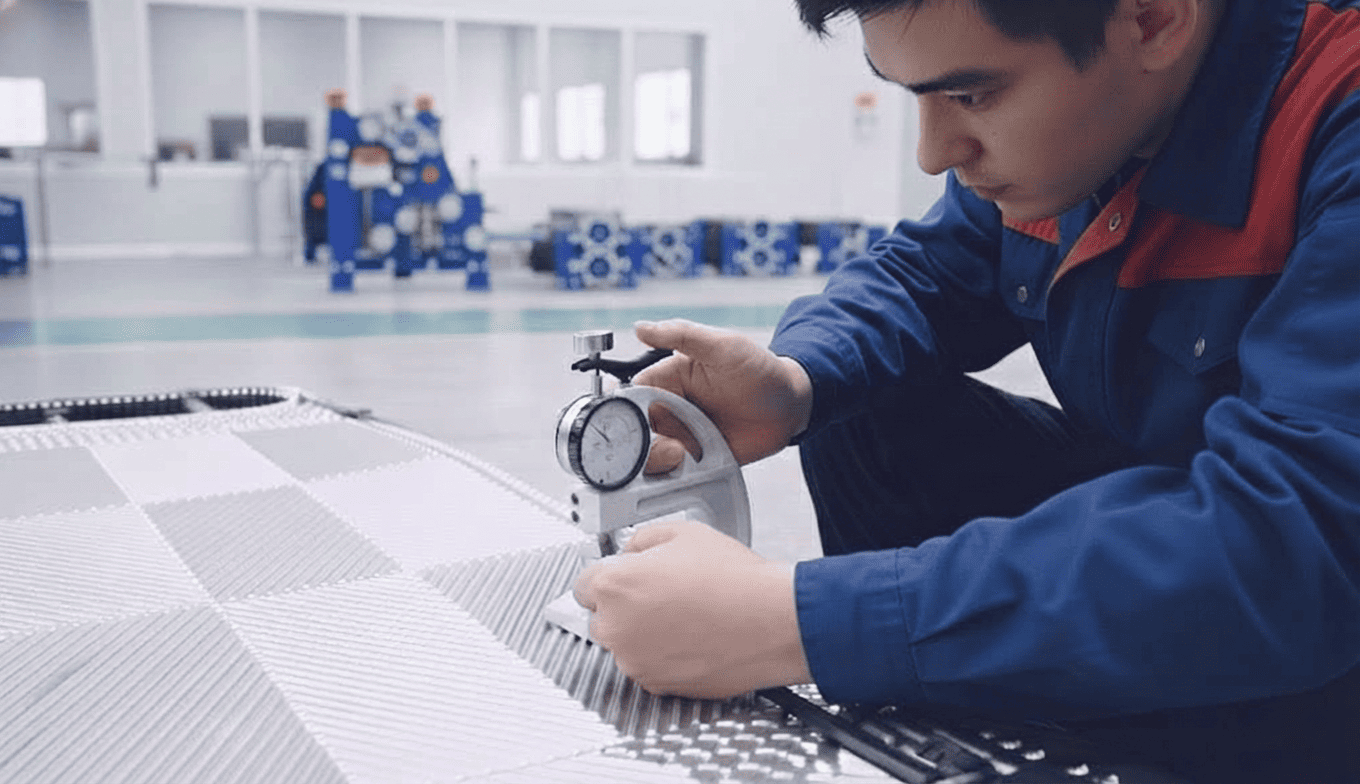
The most important factor for a replacement plate is its structural fit. This comes directly from the quality of the mold, or what we call "tooling." I remember visiting a factory where they boasted about their fast production. But looking closer, I saw the flaw: their molds caused an excessive thinning rate. While the raw sheet was 0.5mm, the pressed peaks were below 0.35mm—hidden weak spots that fail under pressure. At our facility, we use high-precision laser-cut tooling to ensure that the thinning rate remains within 25%, maintaining the same burst pressure as the OEM. This precision ensures the center distance and corner angles are perfect. Without this, you get uneven pressure on the gasket5s—the primary cause of leaks—and disrupted fluid flow that kills your thermal efficiency.
| Feature | Precision Tooling (Our Standard) | Standard Tooling (Common Issue) |
|---|---|---|
| Accuracy | Sub-millimeter precision, verified with laser tools. | Visible tolerances and slight variations. |
| Thinning Rate | Controlled within 25%; maintains structural integrity. | Excessive stretching; high risk of pressure cracks. |
| Gasket Fit | Perfect seal, even gasket5 compression. | Uneven pressure, frequent re-tightening needed. |
| Result | Reliable, "set-and-forget" performance. | Unpredictable failures and costly downtime. |
What Should You Look for in a Supplier's Quality Control Process?
You found a supplier, but how do you know their plates are actually good? A quick visual check is not enough. Bad parts can easily slip through, causing major headaches for your maintenance team.
A reliable supplier's quality control goes beyond a simple visual check. They must use precision measuring tools like digital calipers and depth gauges to verify every critical dimension against the original specifications. You should always ask for their QC reports and testing procedures before placing an order.
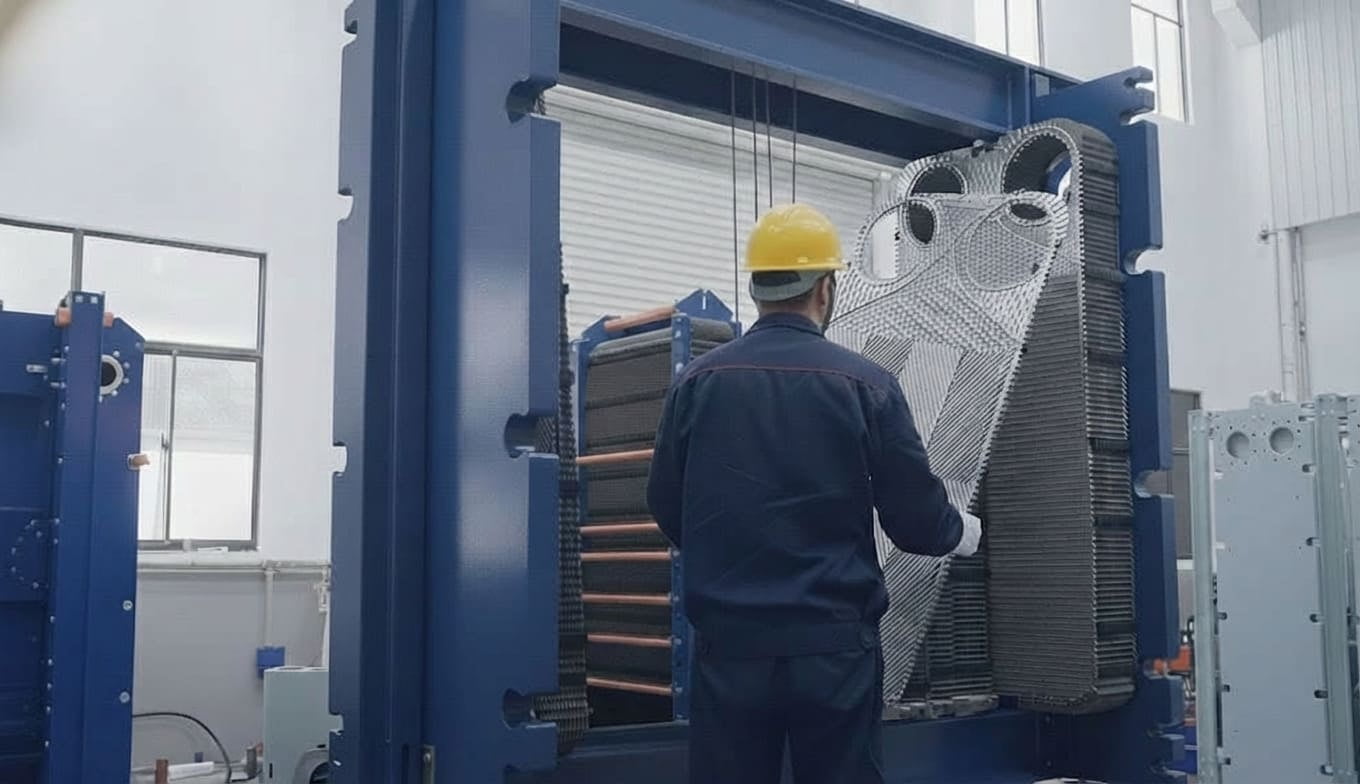
I've seen warehouses where newly pressed plates get a quick glance and are then stacked for shipping. That is a huge red flag. A visual inspection can't catch a plate that is 0.05mm too thin or a corrugation depth that is slightly off. These are the defects that cause "creeping leaks" weeks after installation. At our facility, every batch goes through a strict verification process. We use digital depth gauges to check the pressing depth at multiple points against the OEM drawings. We verify the port alignment and the overall diagonal dimensions. Every measurement must be within the required tolerance before the plate is approved. This is the only way to guarantee that our plates will perform exactly like the originals. It’s a non-negotiable step for us.
| Quality Control Method | Basic QC (Visual Check) | Advanced QC (Instrumental Verification) |
|---|---|---|
| Tools Used | The naked eye. | Digital calipers, depth gauges, Spectrometers. |
| What's Checked | Obvious defects like scratches or dents. | Pressing depth, thinning rate, port alignment. |
| Reliability | Low. Many critical defects are missed. | High. Ensures 100% dimensional accuracy. |
| Hidden Cost | Frequent maintenance and early replacement. | Lower Total Cost of Ownership (TCO). |
Is There a Real Difference Between Stainless Steel Grades like 316 and 316L?
A supplier says their plates are "316 stainless steel." But is it the right kind? Choosing the wrong material can lead to corrosion and premature failure, especially in demanding industrial applications.
Yes, there is a critical difference. 316L has a lower carbon content than standard 316 steel, making it much more resistant to sensitization and corrosion in high-temperature environments. For applications in food, chemical, or pharmaceutical industries, insisting on certified 316L with verified Nickel content is essential.
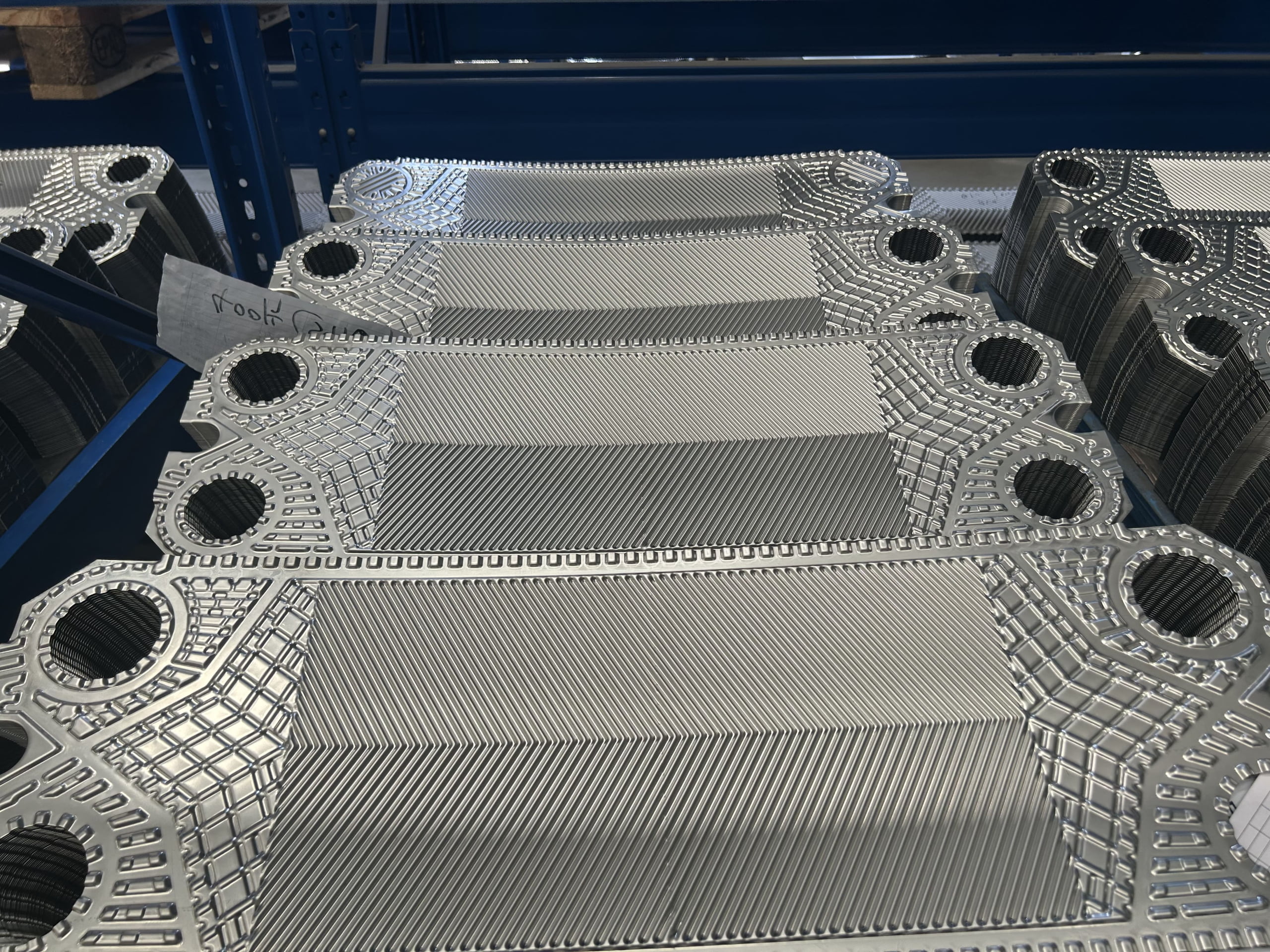
The "L" in 316L stands for "Low Carbon," and it prevents the steel from becoming brittle at the contact points. We once helped a palm oil refinery where plates were failing within months. The issue? Their previous supplier provided standard 316. The high processing temperatures caused "intergranular corrosion6" near the support points. This is why we don't just rely on mill certificates; we perform 100% Spectral Testing using a handheld XRF analyzer on every batch of raw material. We verify the exact chemical composition7—ensuring the Nickel and Molybdenum levels meet the 316L standard—before the first plate is even pressed. It’s an extra step, but it’s the only way to guarantee the long service life our customers expect.
| Material Grade | Key Difference | Best For | Main Risk if Used Incorrectly |
|---|---|---|---|
| SS316 | Higher carbon content. | General-purpose, low-temp applications. | Intergranular corrosion at high temperatures. |
| SS316L | Low carbon content (Low-C). | Food, chemical, and pharma industries. | Slightly higher initial material cost. |
| Titanium | Superior chloride resistance. | Marine, desalination, and salt-chlorine pools. | Higher cost than stainless steel. |
Conclusion
To secure the best performance for your Alfa Laval M-series, look beyond the price tag. Focus on tooling precision (check the thinning rate), rigorous QC with instrumental measurements, and certified 316L materials verified by spectral testing8. This ensures your replacement plates perform exactly like the originals, saving you money while eliminating operational risk.
Explore this resource to find reliable aftermarket suppliers that ensure quality and precision for your M-series heat exchanger. ↩
Learn about thinning rate to avoid costly leaks and ensure optimal performance of your heat exchanger. ↩
Discover the importance of certified material grades to prevent corrosion and ensure durability. ↩
Find out why 316L is preferred in demanding applications for its corrosion resistance. ↩
Understanding gasket sealing techniques can prevent leaks and enhance efficiency in your heat exchanger system. ↩
Explore the causes of intergranular corrosion to avoid premature failure in your applications. ↩
Learn about methods to verify chemical composition to ensure material quality. ↩
Understand spectral testing to ensure the chemical composition of materials meets standards. ↩