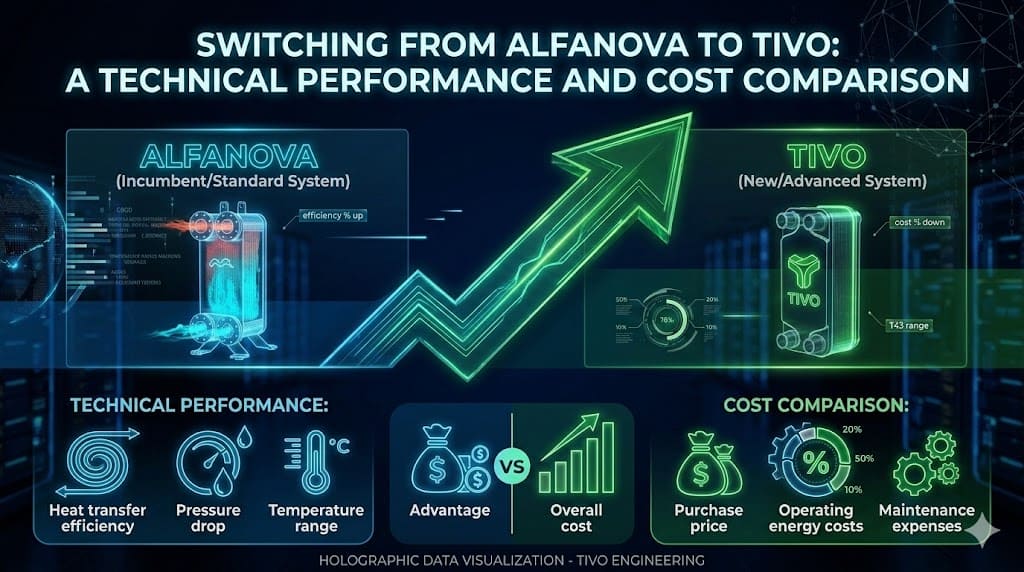
You are probably facing a tough choice right now between sticking with a big brand or trying a new partner. You know that the AlfaNova series1 is famous, but the long wait times and high costs are hurting your projects.
We provide a detailed comparison between the industry leader and TIVO’s fusion-bonded technology2. This guide helps you understand how TIVO matches technical specifications, ensures 100% stainless steel integrity3 for ammonia systems, and significantly reduces your project lead times4 from months to weeks.
I talk to many procurement managers and engineers every week. They all say the same thing. They want the safety of a big brand, but they cannot afford the delays. It is a constant battle between feeling safe and being efficient. I want to show you that you do not have to choose one or the other. You can have high performance and fast delivery at the same time.
Why is Alfa Laval the standard in the heat exchanger industry?
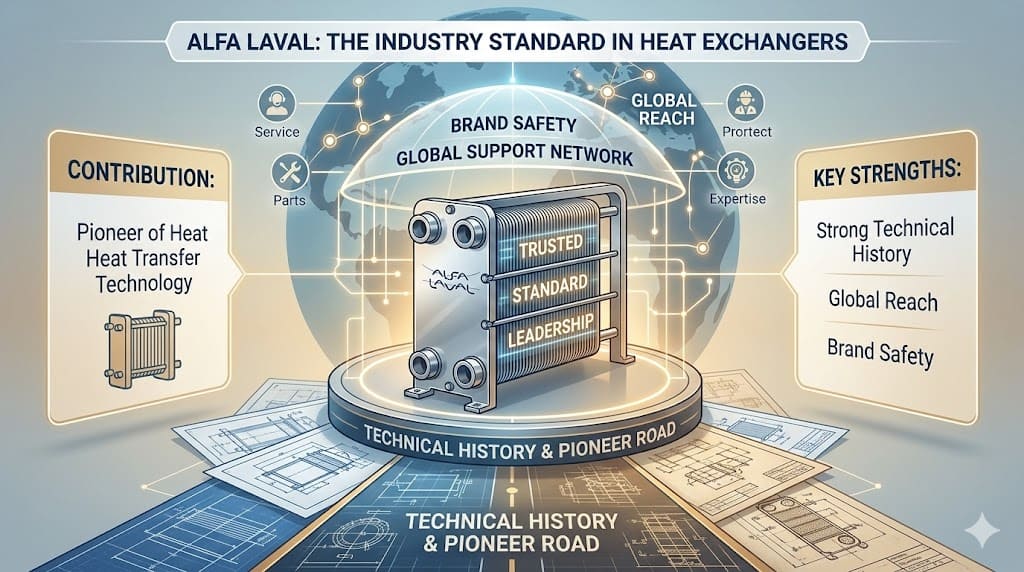
We must be honest and give credit where it is due because they built the road we walk on. Alfa Laval is the pioneer of this industry, and their contribution to heat transfer technology is huge.
They are the leader for a reason. Customers choose them because of their strong technical history, global support network, and the "brand safety5" that comes with buying from the biggest name in the market.
I have been in this business for over 15 years. I have seen how the industry has grown. We have to admit that Alfa Laval is a giant. They are the teachers of the heat exchanger world. When a customer chooses an AlfaNova unit, they are buying peace of mind. They know the company has been around for a very long time. They know the technology is proven. This creates a strong sense of security.
At TIVO, we respect this deeply. In fact, our own technology is built on the foundations that companies like them established. We study their designs. We understand why they set their standards so high. However, being the biggest does not always mean being the best fit for every situation. I often see that big companies move slowly. They have complex internal structures. This can make them less flexible when you need a quick solution.
We view ourselves as the agile alternative. We use the same high standards for thermal calculation and design6. We use similar principles for our fusion-bonded plate heat exchangers7. But we add our own value. We focus on what the modern customer needs right now. We combine that historical technical knowledge with a service model that is faster and more personal. We do not just copy; we learn, we adapt, and we improve the experience for you. We honor the past, but we design for your future projects.
How does TIVO ensure material quality matches the original specifications?
You might worry that a more affordable option means lower quality materials. This is a valid concern when dealing with critical systems like ammonia refrigeration.
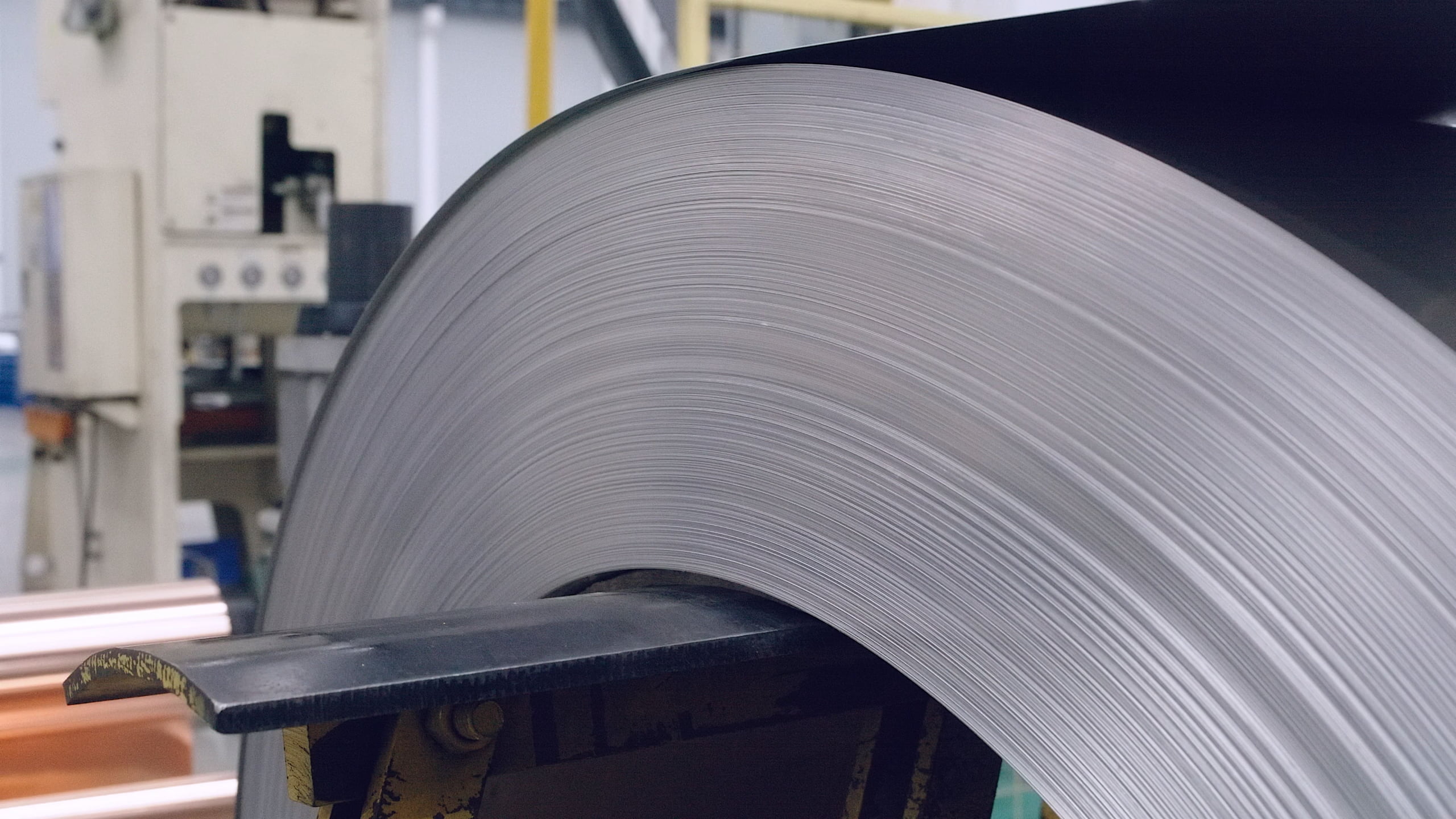
We use 100% stainless steel construction with no copper, sourcing our raw materials from top-tier global suppliers like POSCO8 to ensure high corrosion resistance9 and durability in harsh environments.
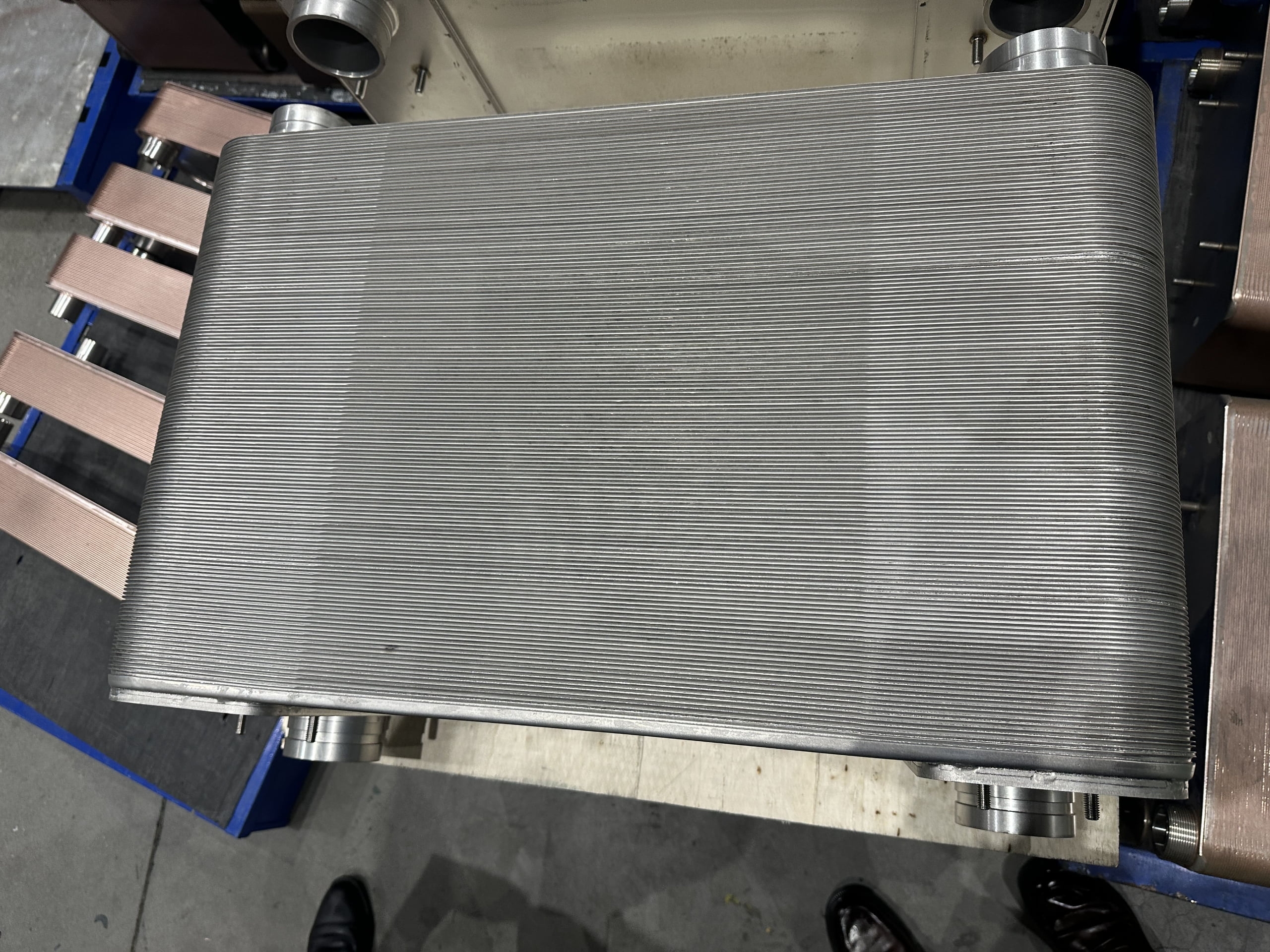
Let me tell you about what goes into our heat exchangers. The core of a fusion-bonded heat exchanger is the material. It must be pure. It must be strong. The AlfaNova is famous because it is 100% stainless steel. It uses a fusion bonding process instead of copper brazing. This is vital for applications involving ammonia (NH3) or deionized water. Copper reacts badly with ammonia. It corrodes and fails. So, the material is everything.
At TIVO, we do not cut corners here. We understand that if the steel is bad, the product is useless. We source our raw materials from the first tier of global suppliers. Our primary source is POSCO in South Korea. They are one of the best steel manufacturers in the world. We do not buy cheap, unverified steel from unknown sources. We use 100% spectral material testing on every batch that comes into our factory. We check for 304, 316L, and specialized alloys.
Our fusion bonding process creates a unit that is solid stainless steel. It has high corrosion resistance. It creates a hygienic channel for clean water or food applications. It handles high pressure just like the big brand units. I often invite customers to visit our factory. I show them the raw material certificates. I show them the testing process. When you compare the material specs of a TIVO unit against an AlfaNova unit, you will see they are identical in chemical composition. The only difference is the logo on the plate and the price on the invoice. We match the integrity of the metal so you can trust the integrity of your system.
Do we have the technical experience to replace a giant?
You need more than just a product; you need to know if the supplier understands your specific working conditions. You need expert advice, not just a catalog.
TIVO has extensive application experience10 across diverse industries, supported by an in-house laboratory11 that performs rigorous salt spray, burst, and leakage tests to guarantee performance.
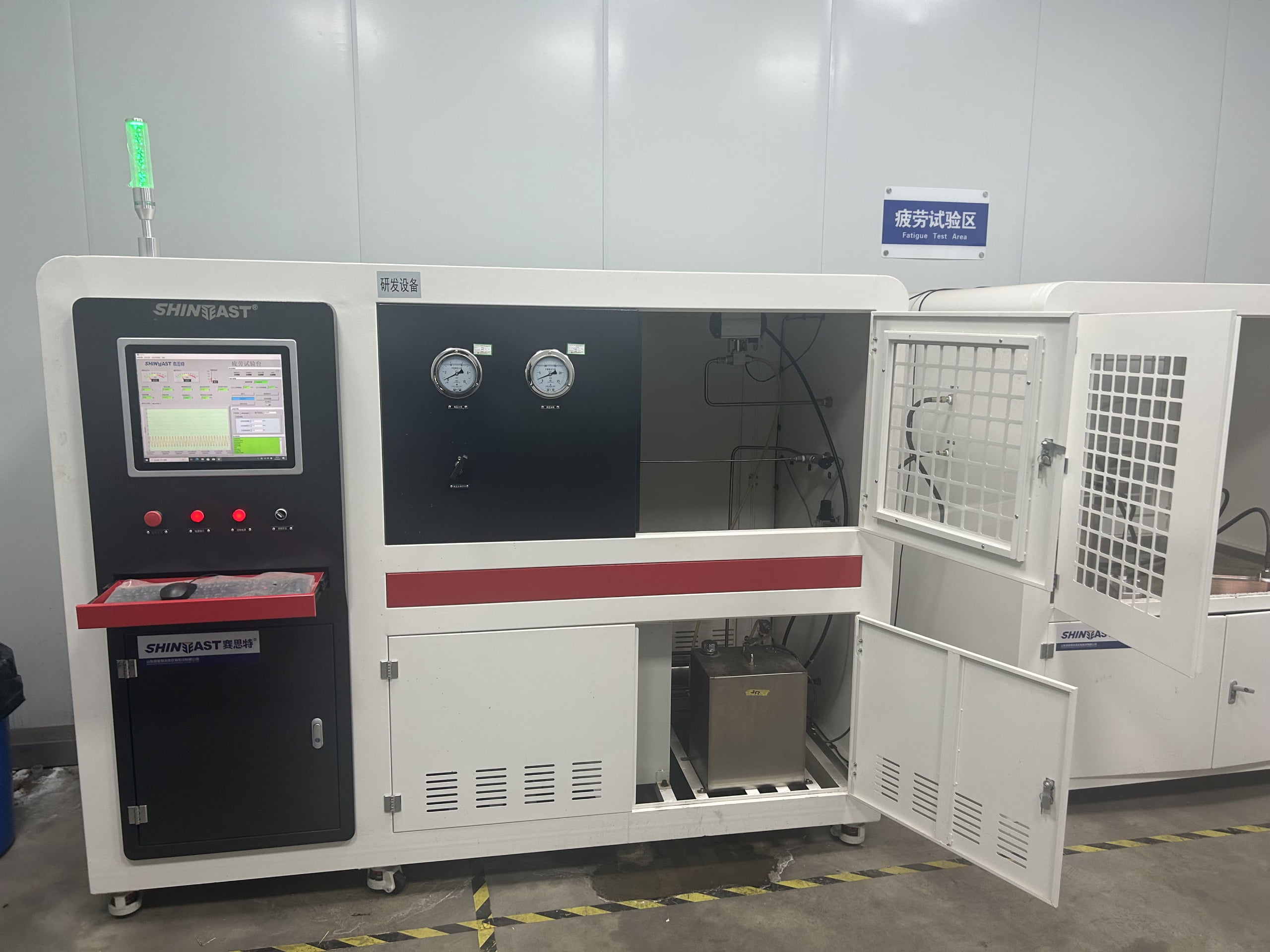
This is where I believe TIVO truly shines. We are not just a factory that stamps metal. We are a team of engineers who solve problems. Over the last 15 years, we have gathered a massive amount of application data. We have worked on district heating in Russia, palm oil cooling in Indonesia, and high-pressure heat pumps in Europe. This gives us a deep "application base."
When you send us an inquiry, we do not just look at the part number. We look at your operating conditions. We look at the flow rate, the temperatures, and the fluid type. Because we have seen so many different scenarios, we can give you professional advice. Sometimes, we even suggest a better optimization than the original design. We understand the nuance of your specific industry.
To back this up, we built our own laboratory. We do not guess if a unit will work. We test it. We have facilities for salt spray testing12 to check for corrosion over time. We do hydraulic pressure testing on every single unit. We perform burst testing to see the absolute limit of our exchangers. For our high-pressure CO2 units13, we test up to 140 bar. We also use helium leak detection. This is a very sensitive test that finds microscopic leaks that water would miss.
Alfa Laval has great technology, but we have built a system that validates our quality every single day. We use advanced software for thermal calculations (LMTD, pressure drop) that aligns with international standards. This means when we say a TIVO unit replaces an AlfaNova unit, we have the data, the tests, and the engineering calculation to prove it works exactly as required.
How does our delivery time compare to the market leaders?
The biggest pain point I hear from customers today is that they have to wait months for their orders. This delays projects and ties up your money.
While major brands often require 2 months or more for delivery, TIVO utilizes 16 vacuum brazing furnaces and automated lines to fulfill standard orders in just 7 to 15 days.
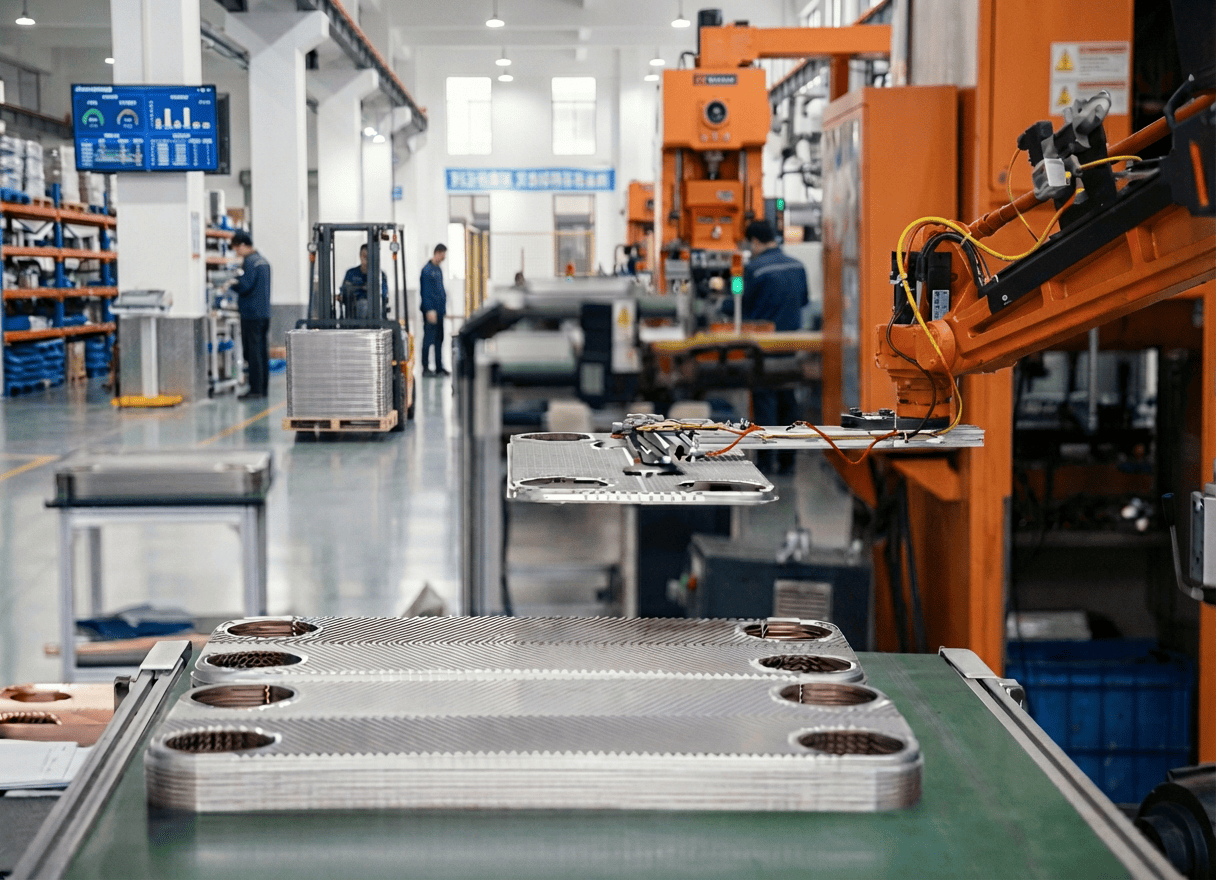
Time is money. I know this is a cliché, but in manufacturing and construction, it is the absolute truth. I recently spoke with a customer who was waiting over 12 weeks for a standard heat exchanger from a major European brand. His entire assembly line was stopped. He was losing money every day. He was frustrated because he felt like a small fish in a big pond. The big brands prioritize their biggest global accounts, and mid-sized buyers often get pushed to the back of the line.
According to my market intelligence, getting a product from Alfa Laval or SWEP currently takes at least 2 months. Sometimes it is even longer. This creates a huge risk for you. It increases your "capital occupancy costs14." This means your money is stuck in a deposit for months without a product to show for it. It also increases the risk of project penalties if you are late delivering to your end client.
At TIVO, we solved this by investing heavily in capacity. We now operate 16 complete vacuum brazing furnaces. We have automated pressing lines and laser cutting systems. This massive capacity allows us to be incredibly fast. For standard orders, our lead time is between 7 and 15 days. This is not a promise we make lightly; it is our standard operating procedure.
By switching to TIVO, you solve the supply chain bottleneck15. You can keep less inventory in your own warehouse because you know we can resupply you quickly. You free up your cash flow. You can accept tight-deadline projects that your competitors cannot handle. We offer the stability of a large manufacturer with the speed of a local partner. This speed is a strategic advantage for your business.
Conclusion
Choosing TIVO over AlfaNova means you keep the quality but lose the wait time. We offer the same 100% stainless steel materials and rigorous testing16, but we deliver in weeks, not months.
Explore the benefits of the AlfaNova series to understand its industry reputation and performance. ↩
Learn about TIVO's innovative technology and how it enhances heat exchanger performance. ↩
Discover the significance of stainless steel in ensuring safety and durability in ammonia applications. ↩
Find strategies to minimize lead times and improve project efficiency in manufacturing. ↩
Understand the concept of brand safety and its impact on customer trust and decision-making. ↩
Explore best practices to enhance thermal efficiency and design in heat exchanger systems. ↩
Learn about the advantages of fusion-bonded technology in heat exchangers for various applications. ↩
Explore POSCO's reputation and quality standards in steel manufacturing for industrial applications. ↩
Discover how corrosion resistance is crucial for the longevity and reliability of heat exchangers. ↩
Understand how application experience can lead to better design and performance in heat exchangers. ↩
Discover the benefits of having an in-house laboratory for rigorous product testing and quality assurance. ↩
Learn about salt spray testing and its importance in evaluating corrosion resistance. ↩
Explore the unique challenges and solutions in designing high-pressure CO2 heat exchangers. ↩
Understand capital occupancy costs and strategies to reduce them in project management. ↩
Learn about the factors that contribute to supply chain bottlenecks and how to address them. ↩
Discover the importance of rigorous testing in ensuring product quality and reliability. ↩