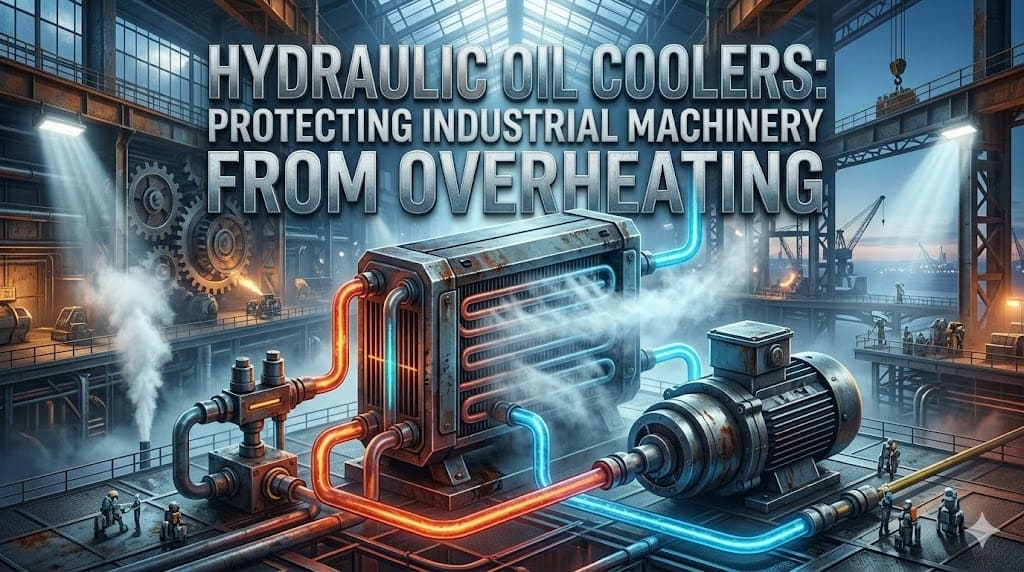
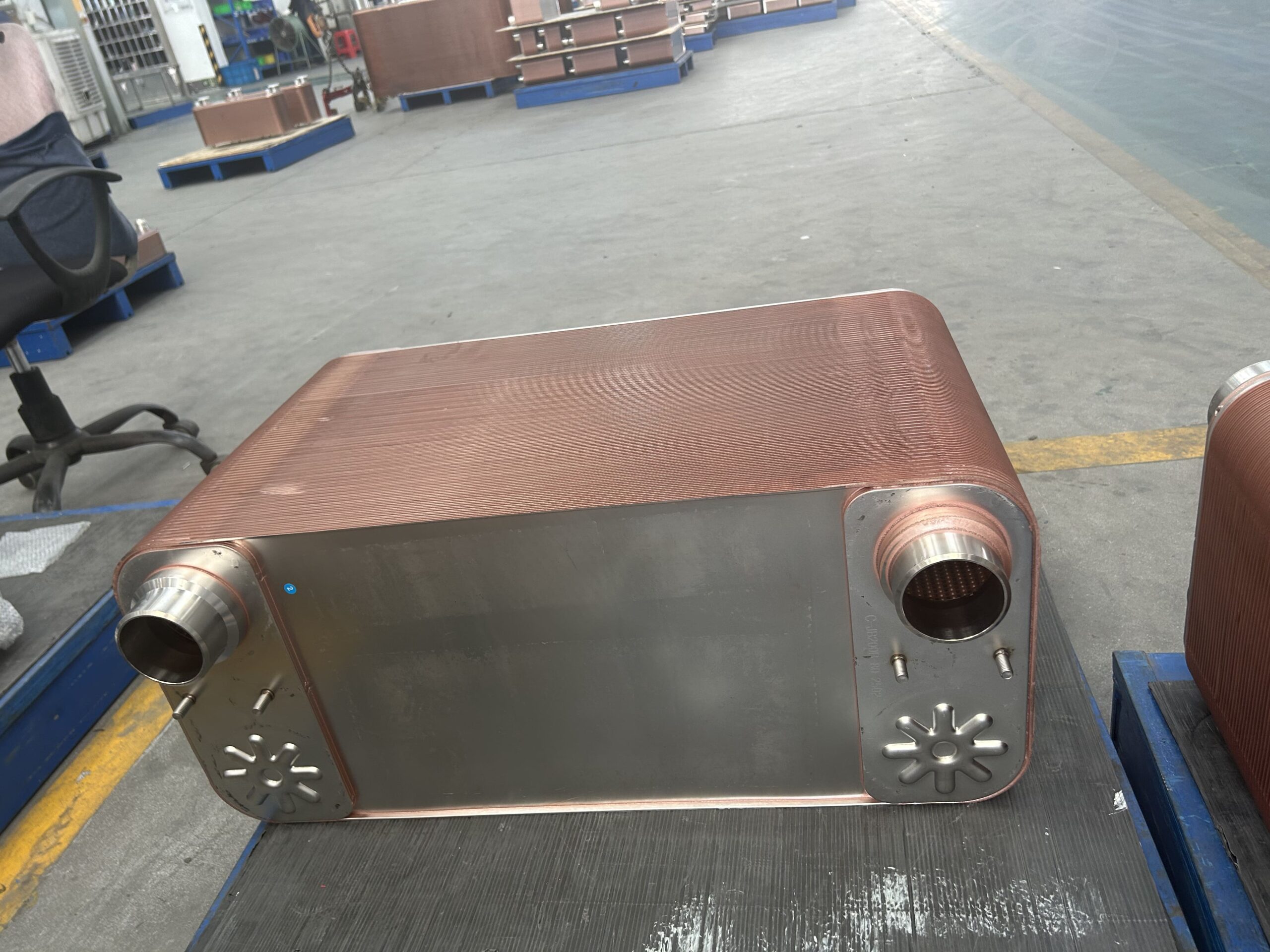
Overheating hydraulic oil stops production fast. High temperatures destroy your machinery and cost you a lot of money. A good hydraulic oil cooler1 quickly solves this expensive problem.
A hydraulic oil cooler removes excess heat from hydraulic systems. It maintains the oil temperature within safe limits. This prevents rapid oil degradation, protects internal components, and ensures industrial machinery operates at peak efficiency without sudden breakdowns.
Many people think heat is just a normal part of running a machine. If you do not care about the hidden costs of hot oil, you should stop reading right now.
Why Does Oil Oxidation Cost Your Factory So Much Money?
Hot oil ruins your entire system. You spend thousands on new oil and lost production time. Keeping the oil cool stops this waste and saves your budget.
Oil oxidation happens when high heat breaks down hydraulic fluid. For every 10°C rise in temperature, the lifespan of your hydraulic oil drops by half. A proper cooler prevents this, acting as a direct insurance policy for your valuable fluid assets.
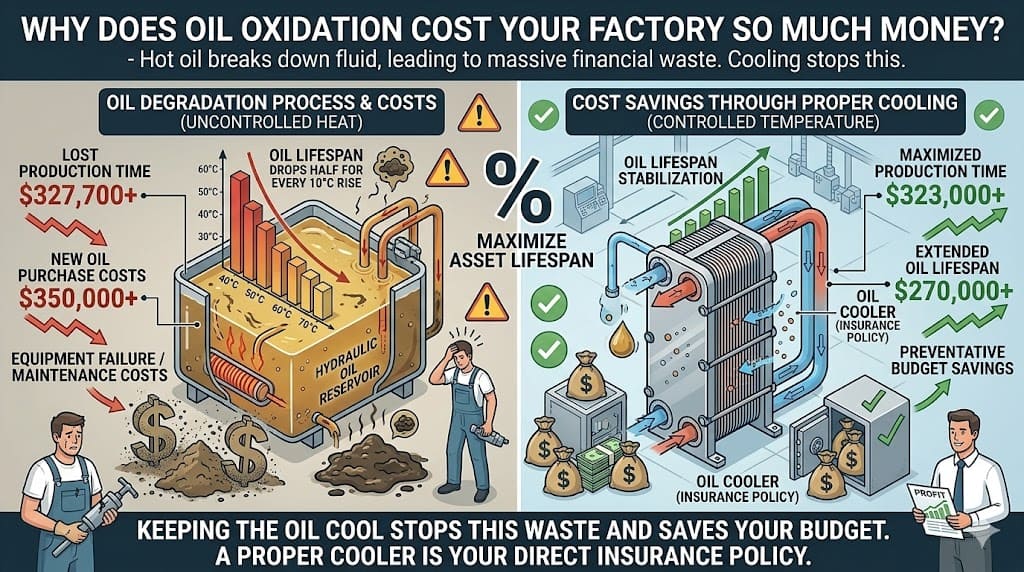
I talk to many procurement managers like David Thompson every week. They often ask me why they need to spend money on a high-efficiency cooler. They do not see the hidden financial cost of oil oxidation2. Let me share a simple rule. Every time your hydraulic oil temperature goes up by 10°C above its normal limit, the life of that oil is cut in half. This means you must buy new oil twice as often. You also have to pay for the labor to change it. Your machines must stop working during this time. This downtime costs you a lot of money. At TIVO, we see our Brazed Plate Heat Exchangers3 (BPHE) as an insurance policy for your hydraulic oil assets. When you keep the oil cool, it stays clean and works perfectly for a long time. It does not get thick or create sludge. Sludge will block your valves and damage your pumps. By using a highly efficient cooler, you protect the oil, you protect the machine, and you keep your money in your pocket.
BPHE vs. Shell and Tube: Why Are 80% of Modern Machines Switching?
Big, old coolers take up too much space. They are hard to clean and waste valuable factory floor space. Upgrading to a modern design fixes these layout problems.
Modern machines need smaller parts. Brazed Plate Heat Exchangers (BPHE) are replacing bulky shell and tube coolers because they offer a much smaller footprint and high self-cleaning ability. This makes BPHE the core component for compact machine designs today.
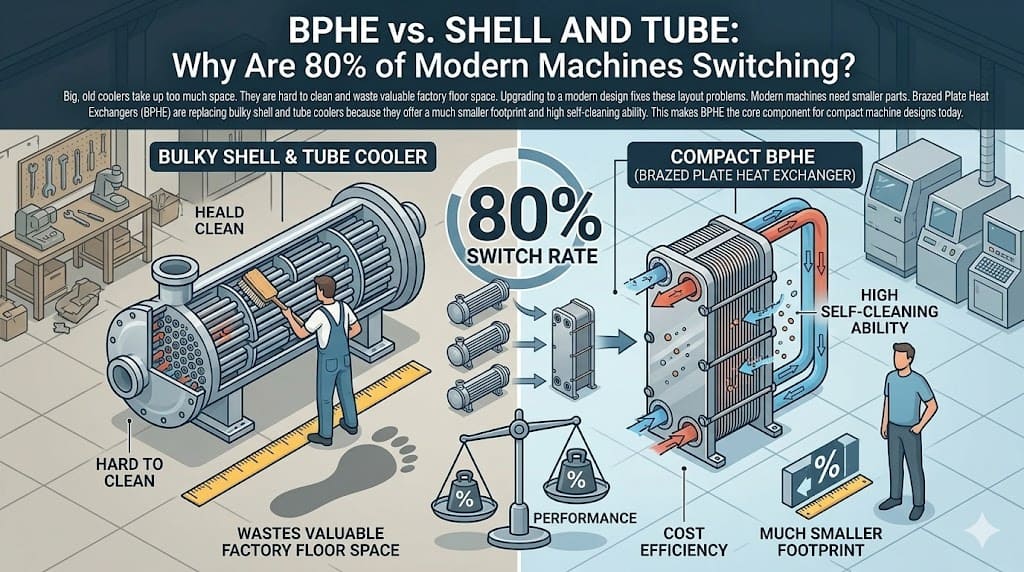
The battle between space and efficiency is very real. I see this when I visit factories that build CNC machines and injection molding equipment. Today, everyone wants smaller machines. Traditional shell and tube coolers are just too big and heavy. They take up too much space inside the machine cabinet. This is why 80% of modern machinery makers are switching to BPHE units. A BPHE gives you the same cooling power in a much smaller box. It uses a very smart plate design. The fluids move very fast inside the plates. This creates high turbulence. The high turbulence gives the BPHE a strong self-cleaning ability. The dirt does not stick to the walls. In a shell and tube cooler, the fluid moves slowly, and dirt builds up fast. You have to stop the machine and clean it often. With a TIVO BPHE, you get a compact design that fits perfectly into small spaces. You also save hours of maintenance time because the cooler stays clean on its own.
How Do You Choose the Right Solder for Different Hydraulic Oils?
The wrong cooler material4 will leak and fail. Chemical reactions between the oil and the metal cause dangerous accidents. Choosing the right material ensures safe and stable operation.
Standard hydraulic oils work well with copper-brazed coolers. However, fire-resistant fluids like Skydrol react poorly with copper. For these aggressive fluids, you must use 100% stainless steel fusion-bonded heat exchangers to prevent leaks and chemical breakdown5.
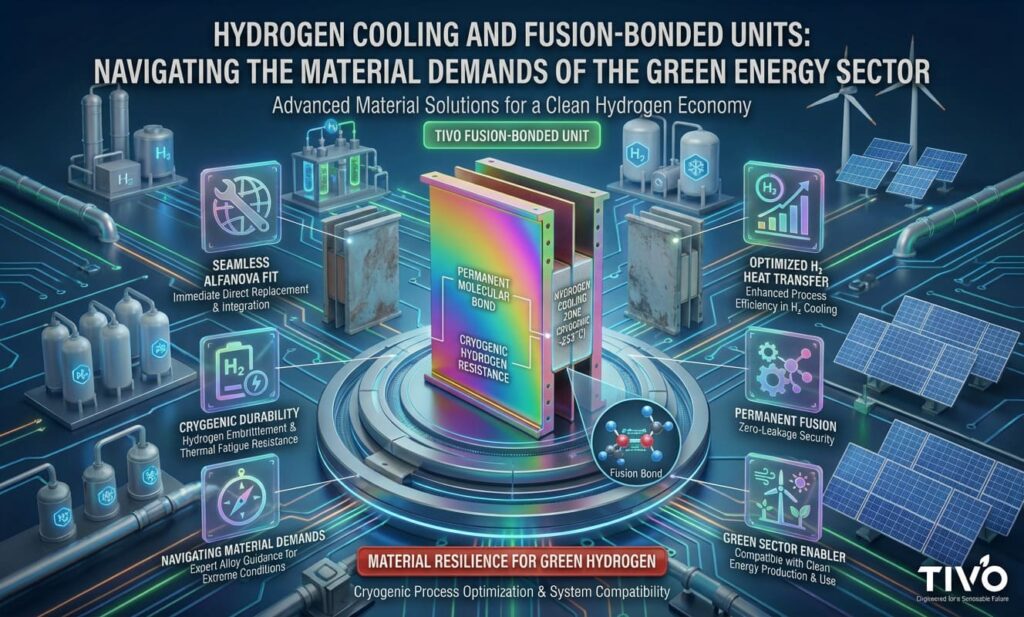
I once helped an engineer named Lars who had a big problem. His cooling system kept leaking. He was using a standard copper-brazed cooler with a special fire-resistant hydraulic fluid. He did not know about solder sensitivity6. Standard hydraulic oils are very gentle. You can easily use a normal copper-brazed plate heat exchanger for them. Copper works great and transfers heat well. But some industries need special oils. If you use fire-resistant fluids, like Skydrol, you have a big chemical problem. These special fluids will attack the copper. The copper will dissolve, and the cooler will break and leak. This is very dangerous for the factory. For these tough jobs, we build Fusion Bonded Heat Exchangers7. These units use zero copper. They are made of 100% stainless steel. They use a special melting process to join the plates together. This means the cooler can handle the most aggressive fluids without any corrosion. You must always check your oil type before you buy a cooler. Choosing the right material stops leaks before they happen.
How to Size a Hydraulic Oil Cooler for Your System?
Guessing your cooler size8 leads to overheating. A cooler that is too small will not protect your system. Calculating the exact heat load solves this technical issue.
To size a hydraulic oil cooler, you must calculate the heat load9. The basic formula involves the oil flow rate10, oil density, specific heat capacity11, and the target temperature drop12. Knowing these numbers helps you choose a cooler with the correct surface area.
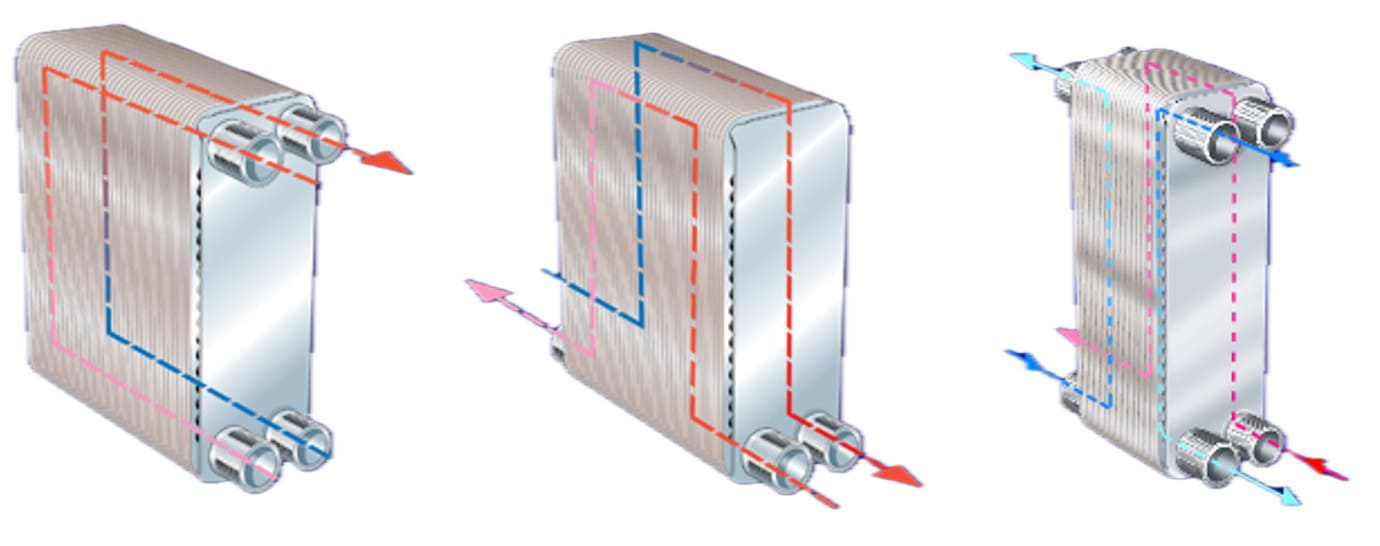
Many engineers search the internet to find out how to size a hydraulic oil cooler. I want to make this easy for you. You cannot just guess the size. If you pick a cooler that is too small, your oil will still overheat. First, you need to find the heat load. We usually measure this in kilowatts (kW). You need four pieces of information. You need the oil flow rate. This is how much oil moves per minute. You need the oil density. You need the specific heat capacity of your oil. Finally, you need the temperature difference. This is the hot oil temperature minus your target cool temperature.
| Required Data | Description |
|---|---|
| Flow Rate | Volume of oil passing through the system per minute. |
| Density | Mass per unit volume of the hydraulic fluid. |
| Specific Heat | The energy needed to raise the oil temperature by 1 degree. |
| Temp Difference | Hot inlet temperature minus the desired cold outlet temperature. |
When you multiply these factors together, you get your total heat load. Once I know your heat load, I can select the exact BPHE model for you. We also look at the pressure drop13. We want the oil to flow easily without losing too much pressure. At TIVO, we use professional software to do this thermal selection for you quickly.
Can Your Cooler Survive High-Pressure Pulses and Fatigue?
Sudden pressure spikes break weak coolers. A burst cooler sprays hot oil everywhere and ruins your day. Using a fatigue-tested cooler prevents these dangerous and messy explosions.
Hydraulic systems create sudden pressure pulses that test the limits of your cooler. High-quality Brazed Plate Heat Exchangers undergo rigorous high-frequency pulse testing to handle these extreme pressure spikes. This ensures the cooler will not burst under heavy industrial loads.
Customers often tell me they are afraid to use plate heat exchangers. They worry that the plates are too thin. They think the cooler will burst when the machine works hard. Hydraulic systems are very aggressive. They do not have a smooth pressure. They have sudden pressure pulses. When a valve closes quickly, the pressure spikes up very fast. This is called pressure fatigue14. If a cooler is weak, these constant hits will break the metal joints. I completely understand this fear. But modern BPHE technology has changed. At TIVO, we do not just build coolers. We test them to the absolute limit. We put our BPHE units through high-frequency pulse testing. We simulate the exact sudden pressure drops and spikes of a real hydraulic system. Our coolers are engineered to handle high pressures. Some special units can even handle up to 140 bar. The brazing points between the plates are incredibly strong. They flex slightly, but they do not break. You do not need to worry about the cooler bursting. It will survive the toughest pressure pulses in your factory for years.
Conclusion
Hydraulic oil coolers protect your machinery, extend oil life, and save money. Choosing the right BPHE ensures compact design, proper material compatibility, and safety against high-pressure system pulses.
Understanding hydraulic oil coolers can help you maintain machinery efficiency and prevent costly breakdowns. ↩
Learn about oil oxidation to understand its impact on your machinery and how to prevent it. ↩
Discover the benefits of BPHEs for efficient cooling and space-saving designs in modern machinery. ↩
Choosing the right cooler material is crucial for preventing leaks and ensuring safe operation. ↩
Understanding chemical breakdown helps in selecting the right materials for long-lasting coolers. ↩
Understanding solder sensitivity can help you avoid dangerous leaks in your hydraulic systems. ↩
Explore this resource to understand the technology behind Fusion Bonded Heat Exchangers and their advantages in hydraulic systems. ↩
Learn how to accurately size a cooler to prevent overheating and ensure optimal performance. ↩
Calculating heat load is essential for selecting the right cooler and maintaining system efficiency. ↩
Learn about oil flow rate to optimize your hydraulic system's performance and cooling efficiency. ↩
Understanding specific heat capacity is key to selecting the right cooler for your hydraulic system. ↩
Calculating temperature drop is vital for ensuring your cooler operates effectively and efficiently. ↩
Managing pressure drop is crucial for maintaining efficient oil flow and system performance. ↩
Understanding pressure fatigue can help you choose coolers that withstand sudden pressure spikes. ↩