Your chiller system shuts down suddenly, and you see water leaking from the brazed plate heat exchanger. The unit is destroyed by ice expansion1. You need a solid freeze protection strategy2 now.
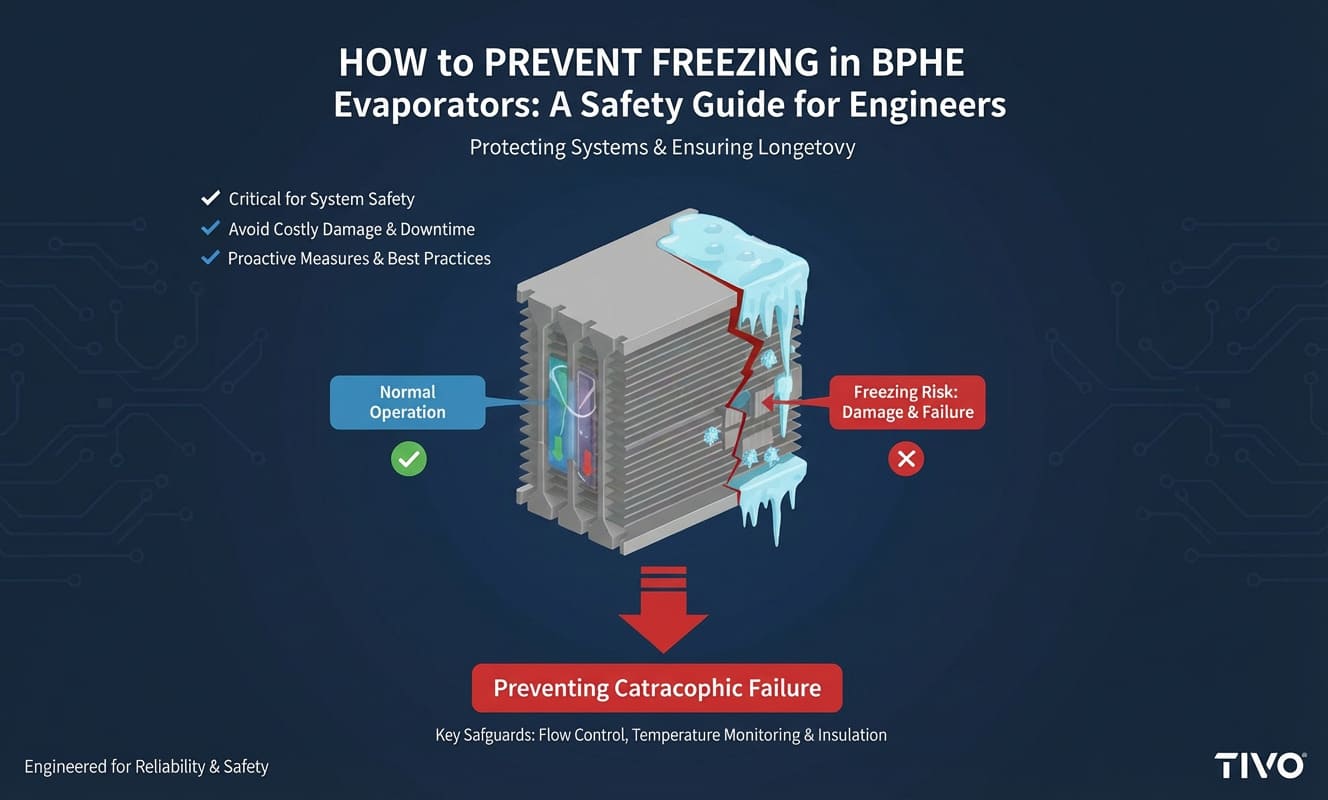
To prevent BPHE evaporator freezing, you must maintain minimum water flow rates3 and use glycol antifreeze4. However, the most critical step is preventing fouling5. Scale buildup blocks micro-channels, causing local freezing even when sensors read normal temperatures. Regular cleaning and differential pressure monitoring6 are essential.
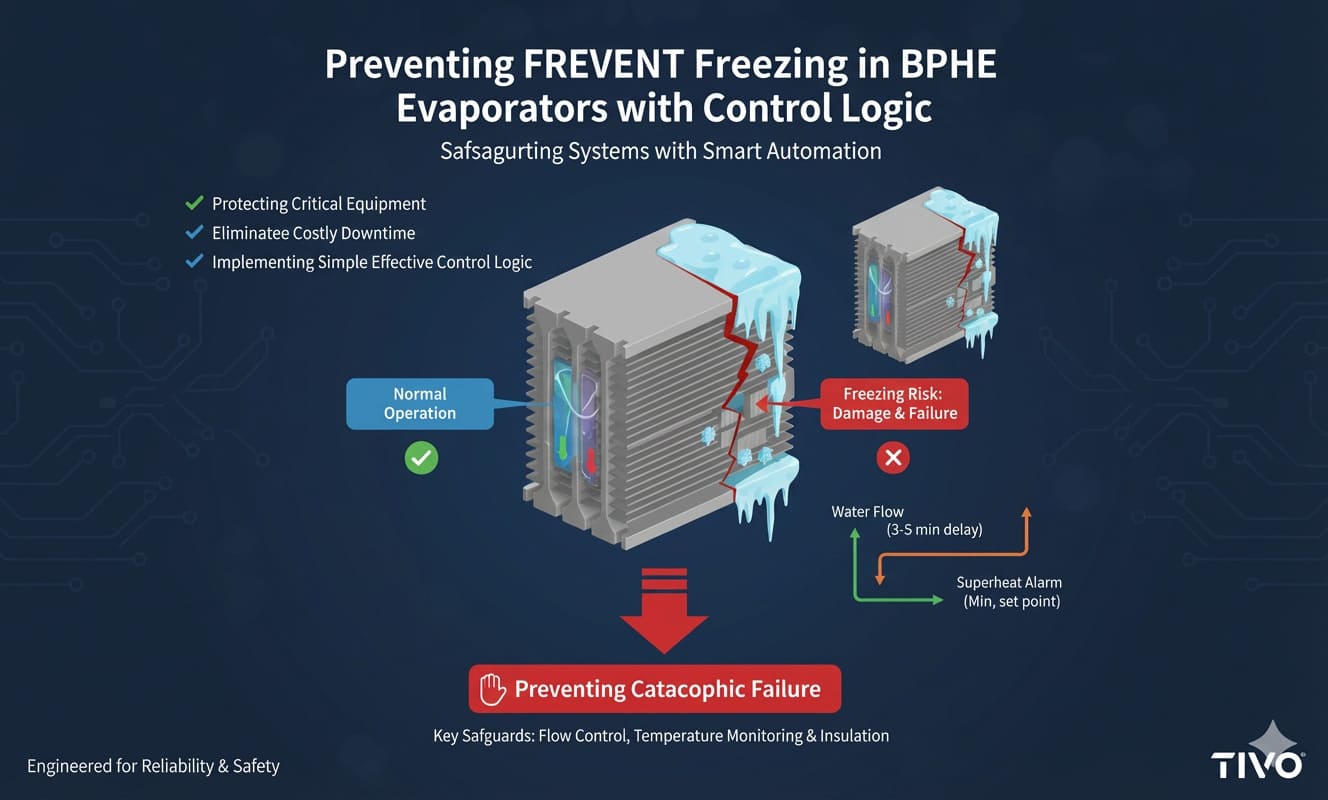
I have seen many engineers blame the flow switch7 when a heat exchanger bursts. They replace the unit, but the new one breaks too. This happens because they miss the root cause. You must understand the physics of ice to fix this.
Why is Ice Expansion Fatal for Brazed Plate Heat Exchanger8s?
You might think a little ice inside the unit is harmless. This misconception leads to catastrophic failure. The internal pressure of ice is stronger than steel.
Ice expands by about 9% in volume. Inside a BPHE, this expansion exerts pressure exceeding 20,000 psi. Since plates are permanently brazed with copper or nickel, they cannot stretch. The brazing points9 tear apart immediately, causing internal leakage that ruins the entire refrigeration circuit.
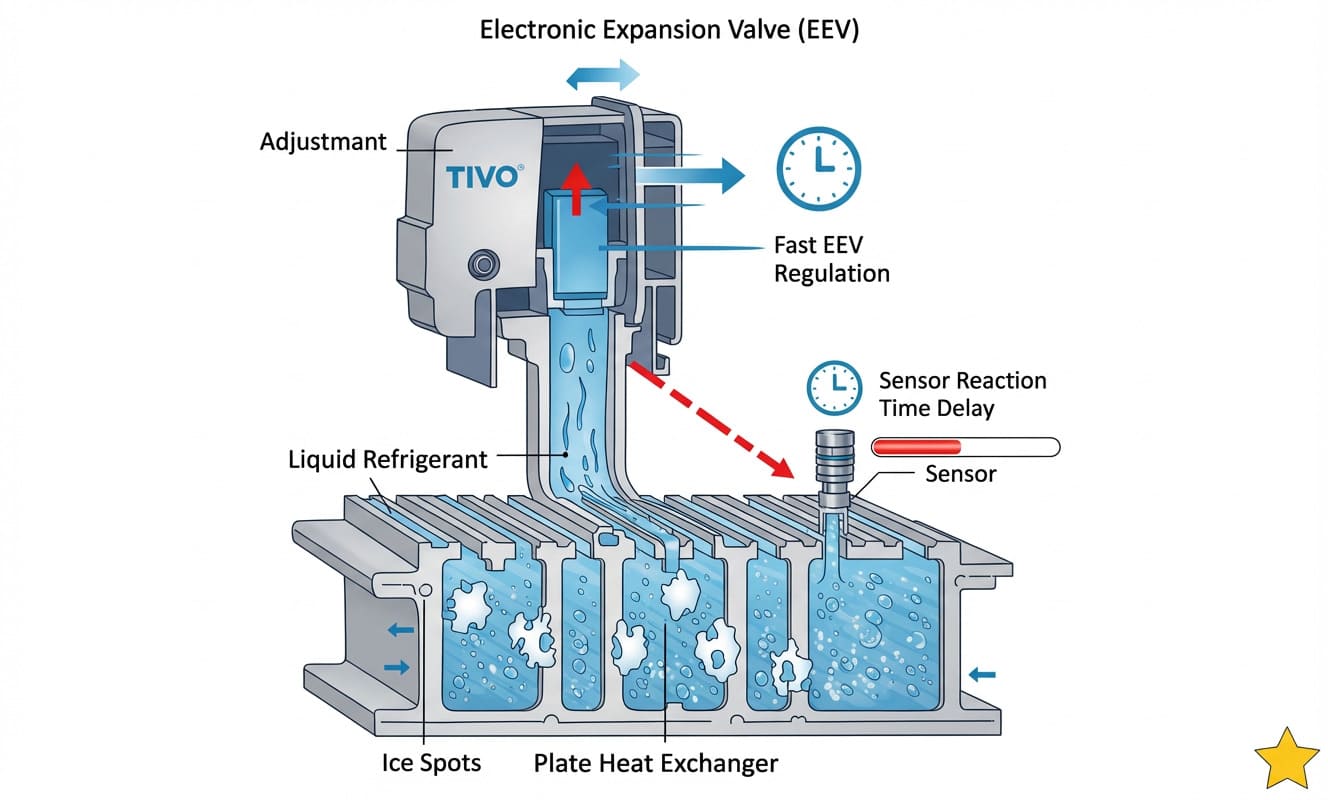
At Tivo Technology, I often explain the difference between Gasketed Plate Heat Exchangers (GPHE) and Brazed Plate Heat Exchangers (BPHE) to my clients. With a gasketed unit, if the pressure gets too high, the rubber gasket might blow out. This is a mess, but you can fix it. You just open the frame and replace the gasket. The steel plates usually survive.
However, a BPHE is different. We manufacture these units by stacking stainless steel plates and placing copper or nickel foil between them. We put the whole stack in a vacuum furnace. The metal melts and fuses the plates together permanently. This makes the unit very strong against fluid pressure, like the 140 bar needed for our CO2 units. But it makes them very weak against internal expansion.
When water turns to ice, it needs more space. It pushes outward with incredible force. I have seen data showing this force can go over 20,000 psi. The stainless steel might bend a little, but the brazing points are rigid. They snap. Once they snap, the refrigerant10 mixes with the water. This ruins the heat exchanger. It also usually sucks water back into your compressor, destroying the most expensive part of your system. There is no repair for a frozen BPHE. You have to buy a new one. This is why understanding the risk is vital for your wallet.
| Feature | Gasketed PHE (GPHE)11 | Brazed PHE (BPHE) |
|---|---|---|
| Connection Method | Rubber Gaskets & Bolts | Copper/Nickel Brazing |
| Response to Ice | Gaskets may leak/fail | Plates crack/Brazing tears |
| Repairability | High (Replace parts) | None (Must replace unit) |
| Pressure Limit | Low to Medium | High (up to 140 bar) |
Is Fouling the Invisible Killer Behind Your Frozen Evaporator?
Many operators set the correct flow rate but still face freezing issues. This is frustrating and expensive. The real enemy is often hiding inside the plates.
Fouling acts as an insulator and a flow blocker. When dirt accumulates, it restricts water flow in specific channels. This creates "dead zones" where water moves too slowly. Even if your main temperature sensor reads above freezing, these blocked areas drop below zero, forming ice nuclei that split the plates.
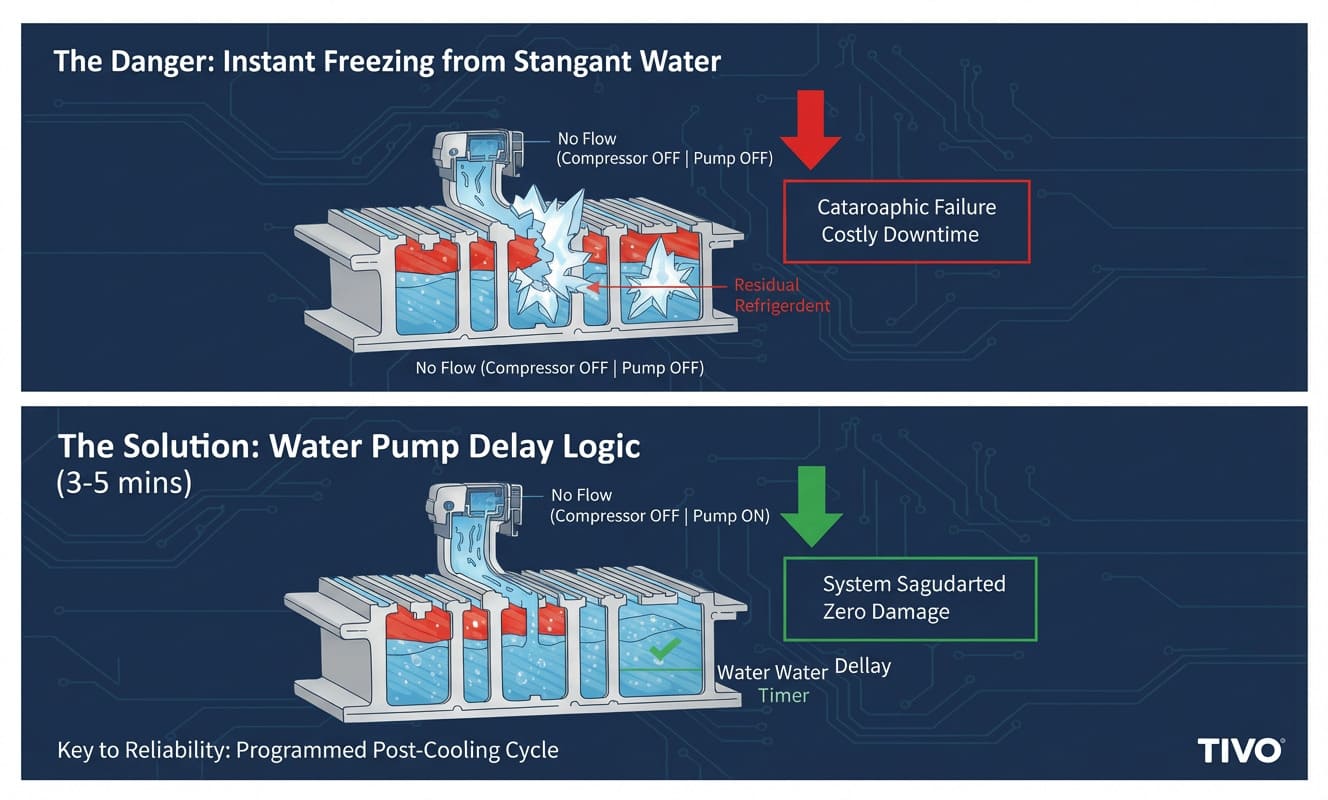
I call fouling the "invisible killer" of heat exchangers. In my experience with industrial end-users, people think freezing is only about the water temperature setting. They set the outlet temperature to 7°C and think they are safe. But they forget that a BPHE cannot be opened for cleaning. Over time, dirt, calcium, and biological slime build up inside.
Here is what happens inside the channels. The water flows through hundreds of tiny gaps between the plates. If your water quality12 is poor, scale forms on the plate surface. This scale does two bad things. First, it stops heat transfer. The refrigerant has to work harder to cool the water. The control system lowers the evaporation temperature to compensate.
Second, and more dangerously, the scale blocks the flow. Imagine a highway where three lanes merge into one. The cars slow down. In a heat exchanger, the water slows down in the blocked channels. The refrigerant is still very cold on the other side of the plate. Because the water is moving slowly, it gets too cold. It freezes.
The scary part is your sensors do not see this. The temperature sensor is usually on the main outlet pipe. It measures the mix of water from all the channels. If 90 channels are warm and 10 channels are frozen, the sensor still reads a safe temperature. But those 10 frozen channels are already expanding. They are tearing the steel. By the time the flow switch triggers an alarm, the ice has already cracked the brazing points. This is why I tell my customers that clean water is just as important as warm water.
What Are the Best Engineering Practices to Stop Freezing Before It Starts?
Replacing a cracked heat exchanger stops production for weeks. You cannot afford this downtime. You need a proactive system to monitor health.
Effective protection requires a multi-layered approach. Install a strainer13 on the inlet to stop debris. Use a flow switch interlocked with the compressor. Most importantly, monitor the pressure drop. If the pressure drop14 increases, the unit is fouling, and you must clean it chemically before ice forms.
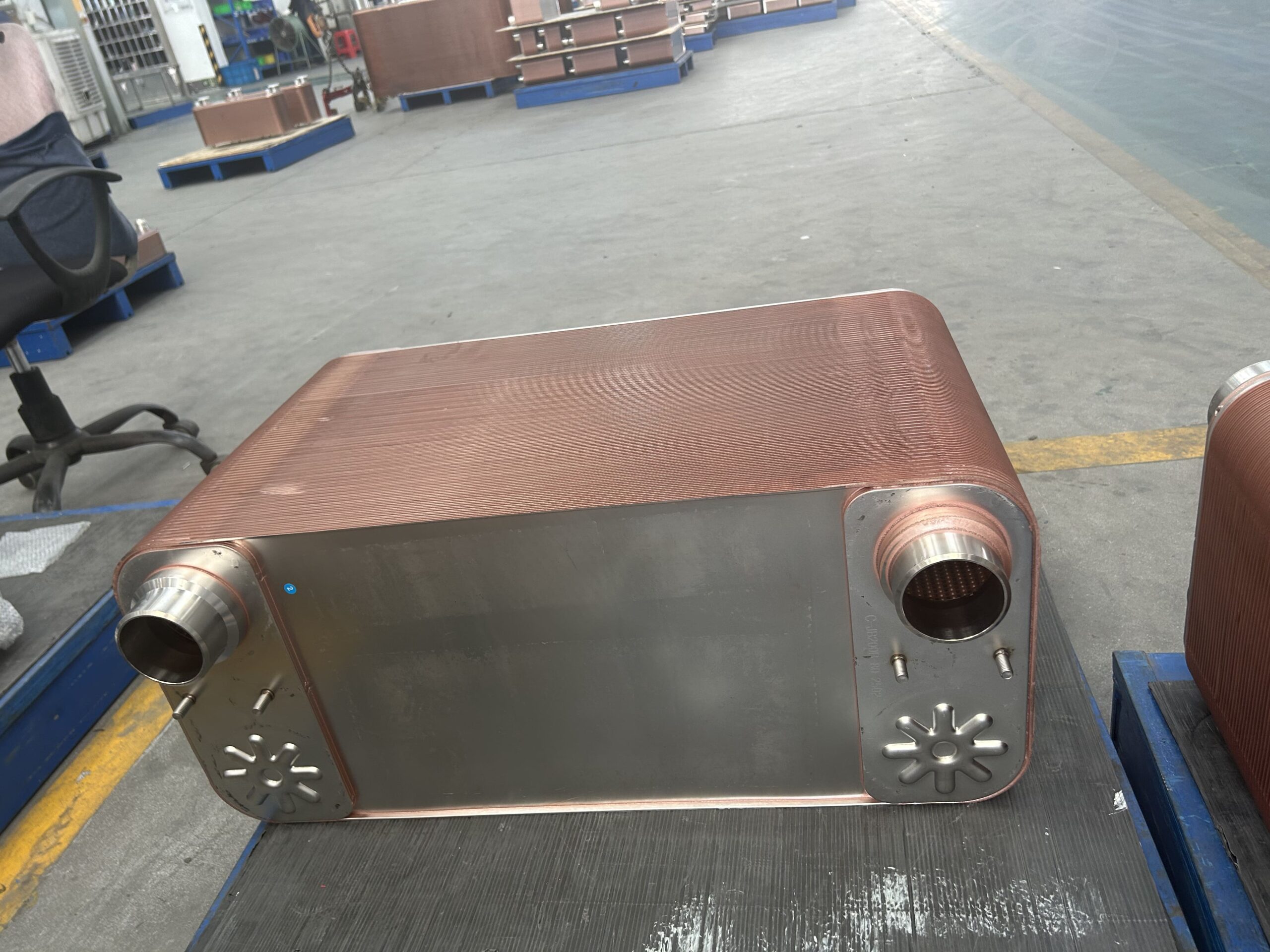
I always advise my clients to stop relying on just one safety device. You need a defense system. The first line of defense is a strainer. You must install a mesh strainer on the water inlet. For a standard BPHE, I recommend a 20-40 mesh count. This stops big rocks and welding slag from entering the channels. If a solid object gets stuck inside, it blocks the flow immediately and causes freezing in seconds.
The second defense is the flow switch. This must be hard-wired to your compressor. If the water stops, the compressor must turn off instantly. Do not rely on the software alone. Hardware interlocks are safer.
However, the best protection comes from critical thinking and monitoring. You need to watch the "Pressure Drop" (Delta P). When we design a unit at Tivo, we calculate a specific pressure drop, for example, 30 kPa at the nominal flow rate. You should install pressure gauges on the inlet and outlet.
Check these gauges every week. If the normal drop is 30 kPa, and suddenly it reads 45 kPa, you have a problem. The flow is restricted. The unit is fouling. You are in the danger zone. You cannot open a BPHE to scrub it, so you must use "Cleaning in Place" (CIP). You pump a mild acid or cleaning solution through the unit to dissolve the scale.
Also, consider using Glycol. If you are cooling water close to 0°C, plain water is too risky. Adding 20% or 30% Propylene Glycol lowers the freezing point significantly. It acts as a safety buffer. It costs a little more to run because glycol is thicker than water, but it is much cheaper than buying a new heat exchanger and a new compressor.
Maintenance Checklist for Freeze Prevention:
- Water Quality: Check pH and hardness monthly.
- Strainer: Clean the inlet strainer every month.
- Flow Switch: Test the function every quarter.
- Pressure Drop: Log inlet/outlet pressure weekly. Clean if Delta P rises by 20%.
- Refrigerant: Ensure suction pressure is not too low.
Conclusion
BPHE freezing causes irreversible damage due to the massive force of ice expansion. To prevent this, you must filter debris, use antifreeze, and monitor pressure drops to detect fouling early.
Understanding ice expansion is vital for preventing catastrophic failures in heat exchangers. ↩
Explore proven strategies to safeguard your heat exchanger from freezing and costly damage. ↩
Learn how maintaining proper flow rates can prevent freezing and enhance system efficiency. ↩
Discover the benefits of glycol antifreeze in preventing freezing and improving system reliability. ↩
Understanding fouling is key to maintaining heat exchanger performance and preventing failures. ↩
Explore how monitoring pressure differentials can help detect fouling and prevent freezing. ↩
Understanding flow switches is essential for ensuring safe operation and preventing failures. ↩
Understanding BPHEs is crucial for effective freeze protection strategies and system maintenance. ↩
Learn about the importance of brazing points in maintaining the integrity of heat exchangers. ↩
Explore how refrigerant management is crucial for maintaining system efficiency and preventing damage. ↩
Explore this resource to understand how GPHEs offer easier maintenance and repair options compared to BPHEs, enhancing system longevity. ↩
Explore the importance of water quality in preventing fouling and ensuring efficient operation. ↩
Learn how installing a strainer can protect your system from debris and fouling. ↩
Understanding pressure drop can help you identify issues early and maintain system efficiency. ↩