leading paragraph: You are building the future of green energy with hydrogen. But standard copper-brazed heat exchangers create hidden risks like leaks and contamination. You need a safer, stronger solution now.
snippet paragraph: All-stainless steel fusion-bonded heat exchangers1 are the standard for hydrogen applications2. They eliminate copper contamination that ruins fuel cells and prevent hydrogen embrittlement. Their uniform material structure withstands extreme temperature shifts from -40°C to high compression heat without cracking, ensuring long-term safety and efficiency.
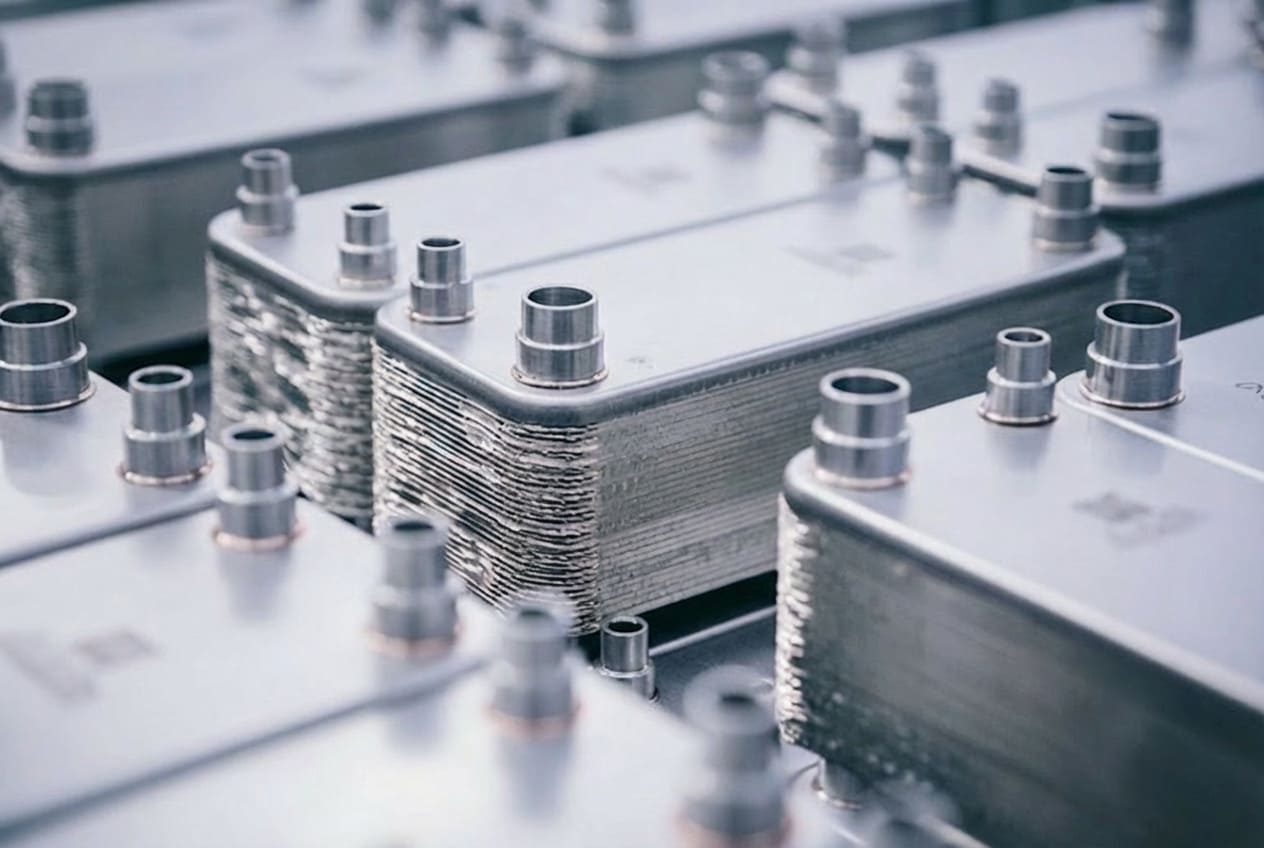
Transition Paragraph: Many engineers overlook the material science inside their cooling units until it is too late. I have seen projects fail because of this single detail. A small leak or a drop in efficiency can stop a whole plant. Let me explain why stainless steel is the only choice.
LOOP START
Why do traditional copper brazed units fail in hydrogen loops?
leading paragraph: Copper brazing looks strong, but hydrogen atoms are tiny. They attack the bond line under high pressure. This silent damage leads to sudden, catastrophic equipment failure in your system.
snippet paragraph: Hydrogen embrittlement occurs when small hydrogen molecules penetrate the brazing material. Fusion-bonded heat exchangers use 100% stainless steel. This molecular bonding removes the weak interface found in copper brazing. It stops micro-cracks from forming even under high-pressure hydrogen storage conditions.
Dive deeper Paragraph: I want to talk about the science of hydrogen. It is the smallest molecule in the universe. This makes it very hard to contain. In a standard heat exchanger, we usually join stainless steel plates with copper brazing. This works well for water or oil. But hydrogen is different. Under high pressure, hydrogen atoms push into the copper material. We call this hydrogen embrittlement3. It makes the metal weak and brittle, like dry clay.
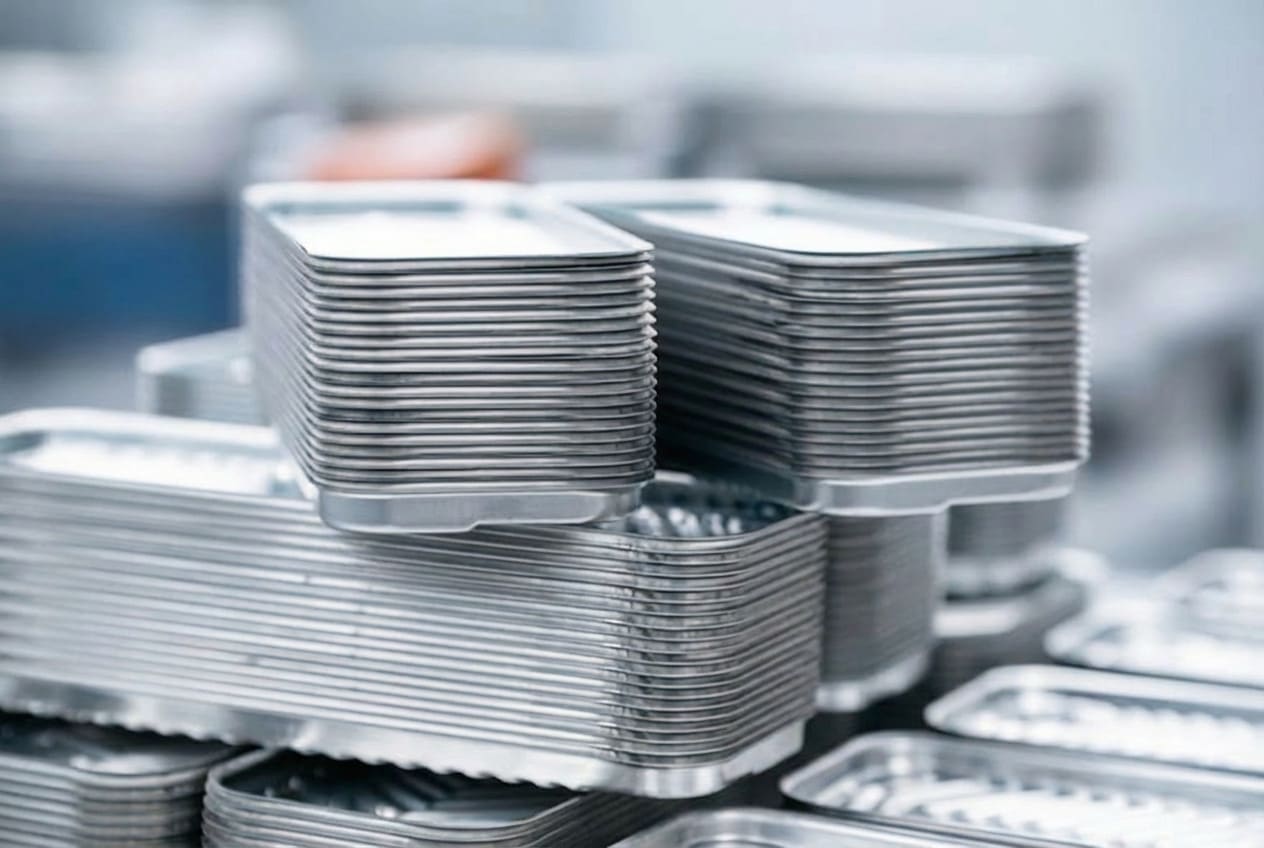
When the metal becomes brittle, it cracks. These micro-cracks allow hydrogen to leak. Hydrogen leaks are very dangerous because hydrogen burns easily. At TIVO, we solve this with Fusion-Bonded technology. We melt stainless steel to stainless steel. There is no copper. There is no glue. It is one solid piece of metal. This molecular bonding creates a structure that hydrogen cannot break. The interface between the plates is as strong as the plates themselves. We test this rigorously. We know that safety is the most important part of your hydrogen project.
| Feature | Copper Brazed BPHE | Fusion Bonded (100% Stainless) |
|---|---|---|
| Bonding Material | Copper | Stainless Steel |
| Hydrogen Risk | High (Embrittlement) | Zero (Homogeneous material) |
| Pressure Limit | Standard | Ultra-High (up to 140 bar) |
| Safety Level | Low for H2 | Maximum for H2 |
LOOP END
LOOP START
How does extreme temperature change affect heat exchanger durability?
leading paragraph: Hydrogen cooling involves wild temperature swings. Going from high compression heat to -40°C shocks metals. Mixing copper and steel causes stress that eventually breaks your system.
snippet paragraph: Different metals expand and shrink at different rates. Copper and steel fight each other during rapid cooling cycles. All-stainless steel units have a consistent thermal expansion coefficient4. This uniformity prevents fatigue and mechanical failure during the intense thermal shocks typical in hydrogen pre-cooling processes.
Dive deeper Paragraph: Hydrogen refueling stations are tough environments. You must compress gas to very high pressures. This creates a lot of heat. Then, you must cool it down instantly to -40°C before putting it into a car. This is a massive temperature shock. Think about putting a hot glass into cold water. It breaks. This happens to metals too.
In a traditional exchanger, you have copper and stainless steel. These two metals are different. When they get hot, copper expands fast. Steel expands slow. When they get cold, they shrink at different speeds. This pushing and pulling creates stress at the joints. We call this alternating stress fatigue. Over time, the joints pull apart.
Our All-Stainless Steel units do not have this problem. The whole unit is made of the same material. It expands together. It shrinks together. There is no fighting between metals. This means the unit lasts much longer. It can handle the daily cycles of a busy hydrogen station without failing. This reliability lowers your maintenance costs significantly.
| Physical Property | Copper | Stainless Steel (316L) | Result in Mixed Unit |
|---|---|---|---|
| Expansion Rate | High | Medium | Mechanical Stress |
| Contraction Rate | High | Medium | Joint Fatigue |
| Reaction to -40°C | Shrinks fast | Shrinks slower | Micro-separation |
LOOP END
LOOP START
Can copper ions5 really destroy your expensive fuel cell stack?
leading paragraph: Your Proton Exchange Membrane (PEM)6 is the heart of your system. It is also very sensitive. Even trace amounts of copper ions will poison it and kill efficiency.
snippet paragraph: Copper ions leach from standard brazed heat exchangers into the cooling fluid. These ions attach to the fuel cell catalyst and ruin the PEM performance. Our 100% stainless steel fusion-bonded units ensure zero ion leaching. This protects your expensive catalysts and guarantees a long operational life.
Dive deeper Paragraph: In the hydrogen industry, the Proton Exchange Membrane (PEM) fuel cell is the most expensive part. It uses delicate catalysts to make electricity. These catalysts are very sensitive. They need pure water to work. If you use a copper-brazed heat exchanger, the cooling water flows over the copper. Slowly, tiny copper particles, or ions, dissolve into the water.
The water carries these ions to your fuel cell. The copper ions stick to the membrane. We call this "poisoning." Once the membrane is poisoned, it cannot make electricity well. Your system efficiency drops. Eventually, the stack fails completely. Replacing a fuel cell stack costs a lot of money.
This is why 100% stainless steel is a non-negotiable standard. Stainless steel is inert. It does not release ions. It keeps your cooling water pure. At TIVO, we ensure our Fusion-Bonded units are chemically clean. We protect your investment. You do not need to worry about hidden damage to your core technology.
| Contaminant Source | Effect on PEM Fuel Cell | TIVO Solution7 |
|---|---|---|
| Copper Ions (Cu2+) | Blocks proton transfer | Remove copper entirely |
| Brazing Flux | Chemical reaction | Flux-free fusion bonding |
| Corrosion Byproducts | Membrane clogging | Corrosion-resistant 316L |
LOOP END
LOOP START
Is waiting 20 weeks for components killing your hydrogen project timeline?
leading paragraph: The hydrogen market is racing forward fast. You cannot afford to wait months for parts. Delays cost you market share and push your ROI further away.
snippet paragraph: Global brands often quote lead times of over 20 weeks for specialized heat exchangers. At TIVO, we use 21 automated production lines8 to deliver orders in just 2 to 3 weeks. This speed allows you to build infrastructure quickly and stay ahead of the competition.
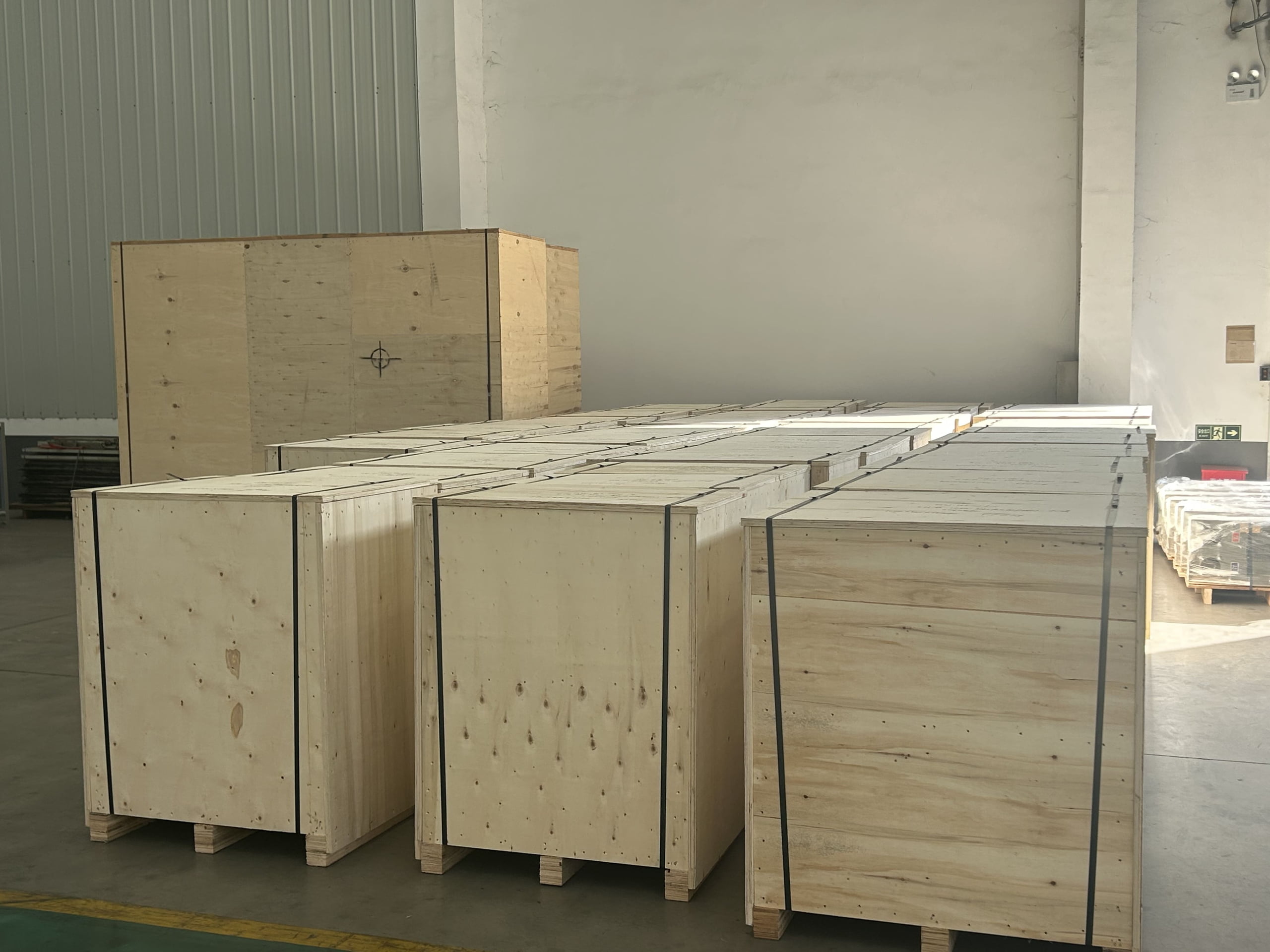
Dive deeper Paragraph: Time is money. This is very true in the hydrogen sector. Governments and investors want results now. I talk to many project managers. They tell me their biggest headache is the supply chain. They order a heat exchanger from a famous European brand. Then, they get an email. The delivery date is 20 weeks away. Sometimes it is 30 weeks. This stops the whole construction site.
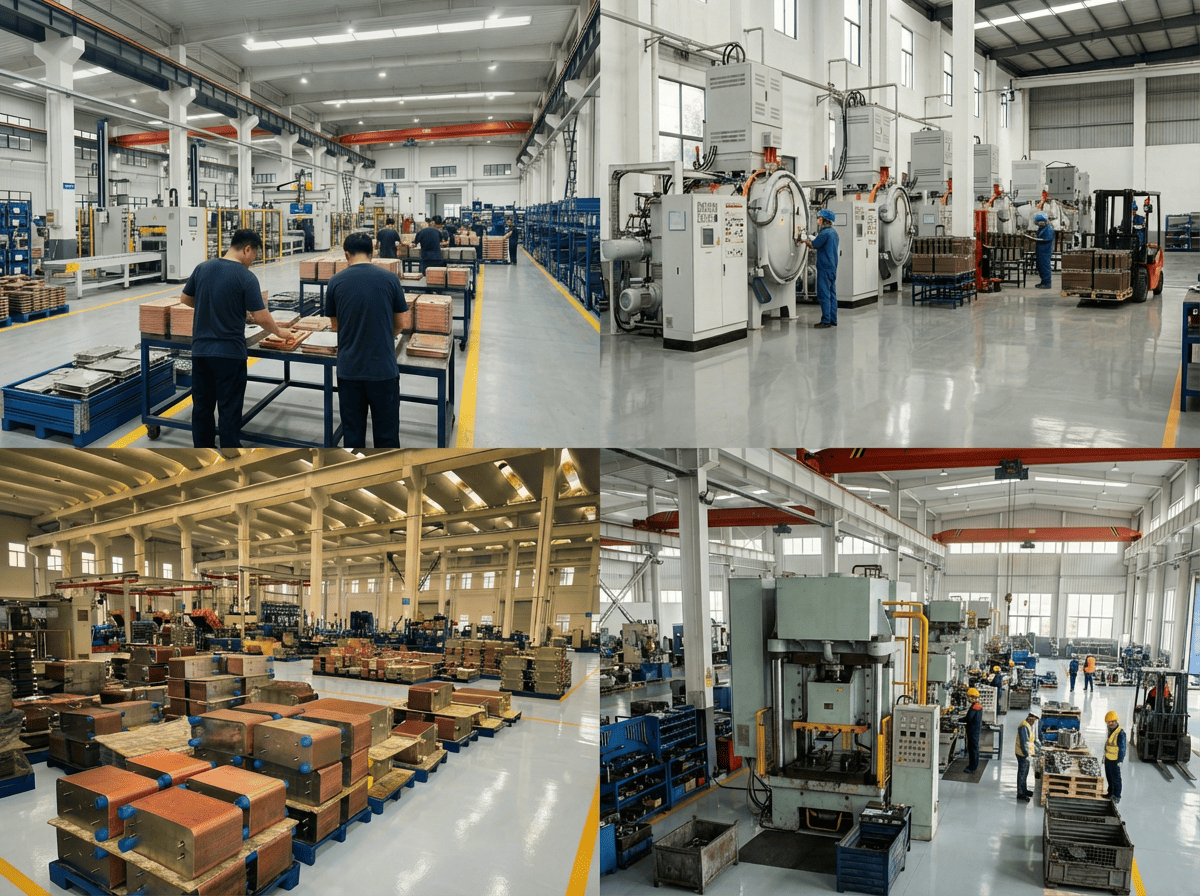
We do things differently at TIVO. We know you are in a hurry. We have built 21 complete production lines. We use robots for pressing and laser cutting. This automation makes us very fast. We do not have long waiting lists. For a standard Fusion-Bonded unit, we can ship it in 2 to 3 weeks.
This is a huge advantage for you. You can finish your hydrogen station or power plant months ahead of schedule. You start making revenue sooner. While your competitors are still waiting for parts, your system is already running. Speed is a key part of our quality.
| Supplier Type | Average Lead Time | Impact on Project |
|---|---|---|
| Global "Big Brand" | 20 - 30 Weeks | Major delays, idle workforce |
| Local Distributor | 12 - 15 Weeks | Inventory uncertainty |
| TIVO Technology | 2 - 3 Weeks | Fast deployment, faster ROI |
LOOP END
Conclusion
Hydrogen needs safety and speed. 100% stainless steel prevents leaks and protects fuel cells. TIVO delivers this quality in weeks, not months. Choose the safe, fast path for your energy projects.
Gain insights into the technology behind fusion-bonded heat exchangers and their advantages. ↩
Discover best practices in hydrogen applications to enhance safety and efficiency. ↩
Understand hydrogen embrittlement to better grasp its implications in engineering and material science. ↩
Learn about thermal expansion coefficients to appreciate their role in material selection. ↩
Understand the impact of copper ions on fuel cells to protect your investment. ↩
Discover the workings of PEM technology and its significance in fuel cells. ↩
Explore the TIVO solution to discover how their innovative technology ensures safety and efficiency in hydrogen applications. ↩
Learn how automation enhances manufacturing processes and reduces lead times. ↩