Your data center servers are generating more heat than ever, and downtime is costing you a fortune. You need a reliable cooling solution that fits into tight spaces without sacrificing power.
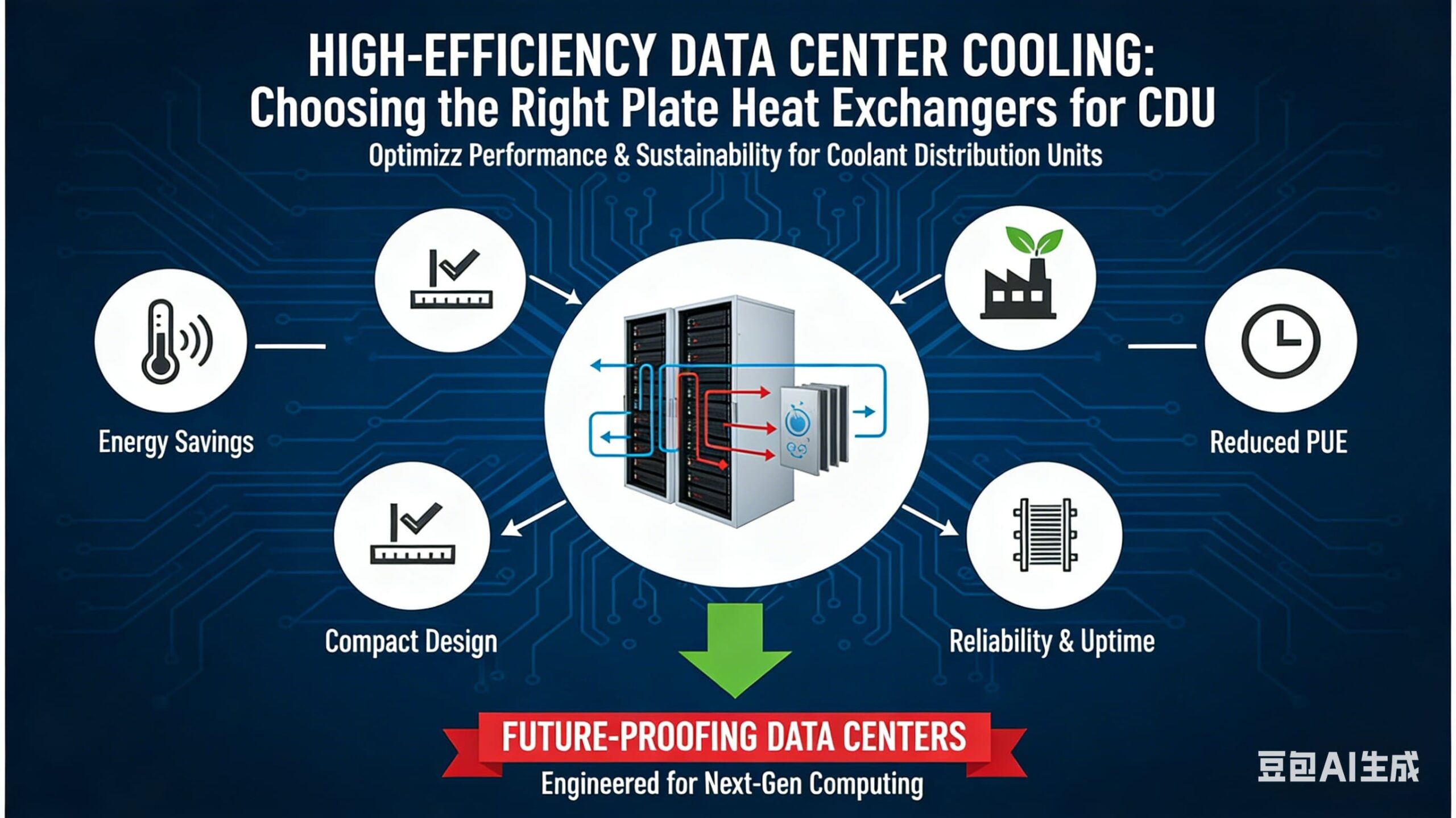
Brazed Plate Heat Exchangers (BPHE)1 are the best choice for Cooling Distribution Units (CDUs)2. Their compact design fits perfectly in limited rack spaces, while their high thermal efficiency handles increased power densities. They work seamlessly with both immersion and cold plate liquid cooling3 systems.
We have seen the basic answer, but the details are what save you money. You might think any heat exchanger will do the job, but that is a mistake. The wrong choice can lead to leaks, space issues, and system failures. I want to show you exactly why the design matters so much. Let us look closer at the specific reasons why size and efficiency are the most critical factors for your business.
Why is Space Constraint a Critical Factor in CDU Design?
Rack space is expensive and limited in modern server rooms. Bulky equipment wastes valuable real estate that could be used for more computing power or additional storage.
CDUs operate within the server rack, where space is extremely tight. Brazed Plate Heat Exchangers (BPHE) offer a compact footprint compared to gasketed models. This small size allows for higher computing density per rack while maintaining efficient thermal management.
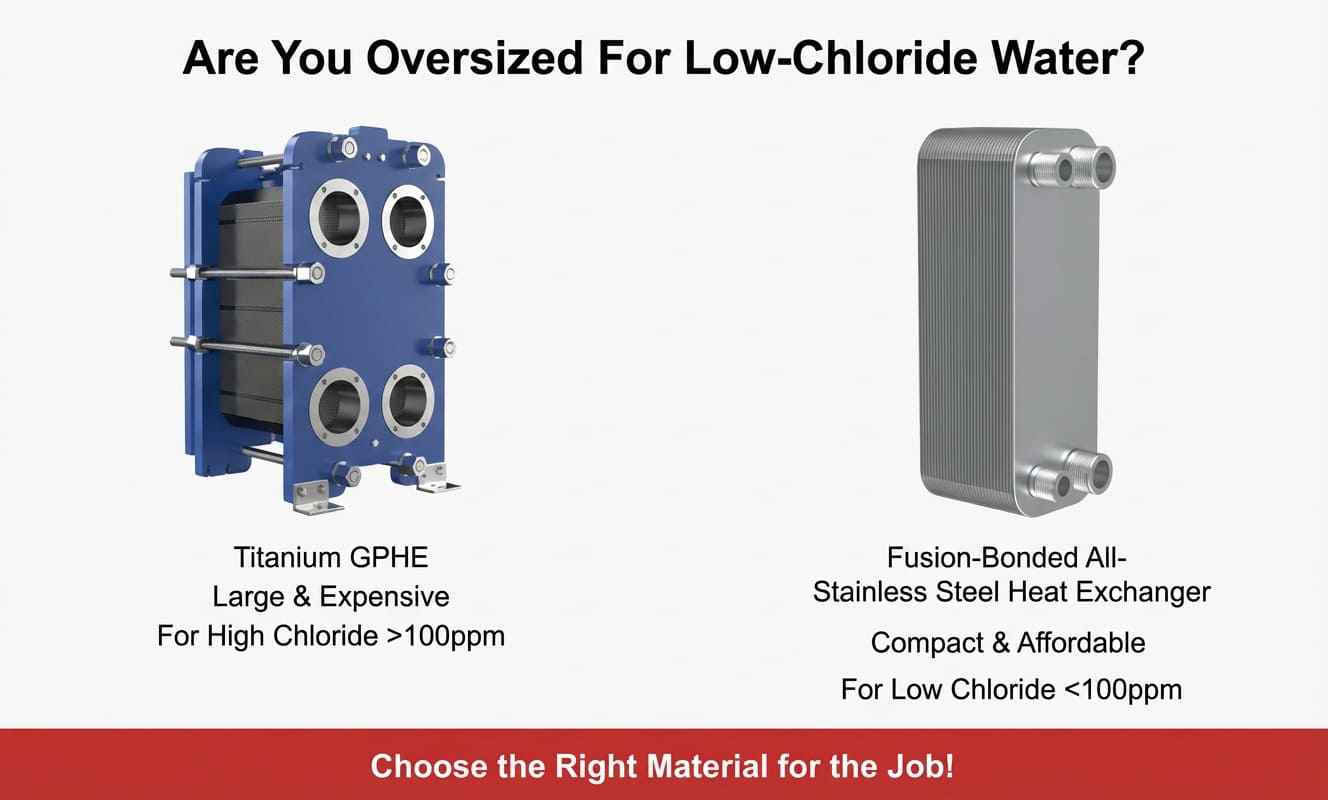
I talk to many procurement managers like David, and their biggest headache is always space. In a Data Center, every square inch counts. The Cooling Distribution Unit, or CDU, has to fit inside or right next to the server rack. This is not a large plant room with high ceilings. It is a cramped, hot environment. This is where the Brazed Plate Heat Exchanger (BPHE) really shines.
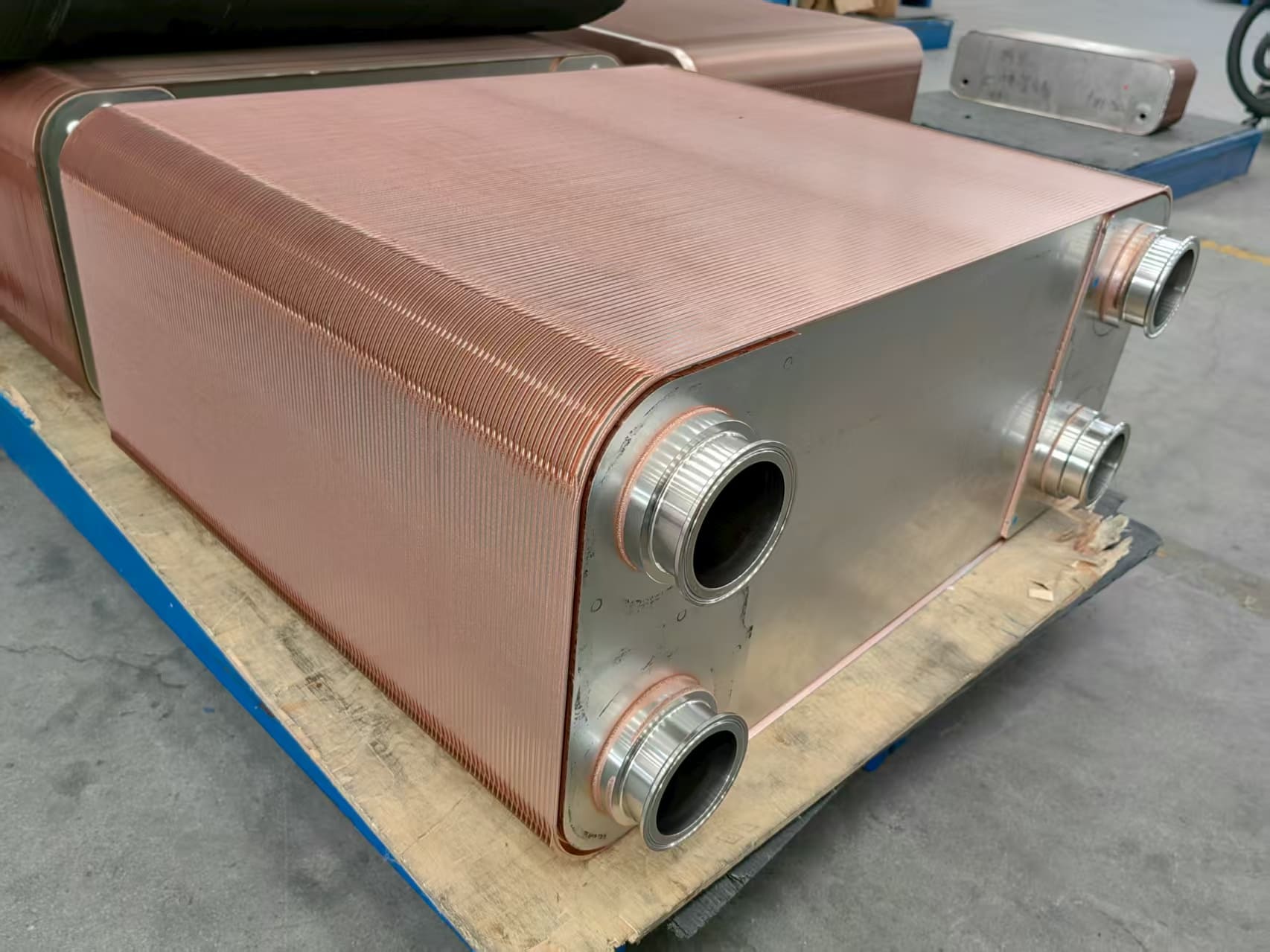
The design of a BPHE is very different from other types. We make them by vacuum brazing4 stainless steel plates together with copper. There are no thick metal frames holding it together. There are no rubber gaskets that add width. It is just pure heat transfer surface area. I have compared them side-by-side with Gasketed Plate Heat Exchangers (GPHE)5. The difference is huge. A GPHE with the same performance might be three or four times larger than a BPHE. It is also much heavier.
When you are designing a rack, you cannot afford to waste space on a bulky unit. The BPHE is small and light. You can tuck it into the bottom of the rack easily. It leaves more room for the actual servers. This is why almost every modern CDU uses brazed technology. It gives you the power you need without taking up the space you do not have.
| Feature | Brazed Plate Heat Exchanger (BPHE) | Gasketed Plate Heat Exchanger (GPHE) |
|---|---|---|
| Size | Very Compact | Bulky and Large |
| Weight | Lightweight | Heavy |
| Construction | Vacuum Brazed (No Gaskets) | Plates compressed by Frames |
| Space Efficiency | Excellent for Racks | Poor for Racks |
| Leak Risk | Extremely Low (Sealed) | Higher (Gasket fatigue) |
Can Brazed Heat Exchangers Handle the Heat of Modern High-Density Racks?
Server power density is skyrocketing, creating massive heat loads. Standard cooling methods often fail to transfer this heat away fast enough to prevent throttling and shutdowns.
Yes, BPHEs provide superior heat transfer efficiency, often exceeding 95%. As chip power increases, these units handle the thermal load effectively. They are the primary choice for advanced liquid cooling methods like cold plate and immersion cooling6 systems.
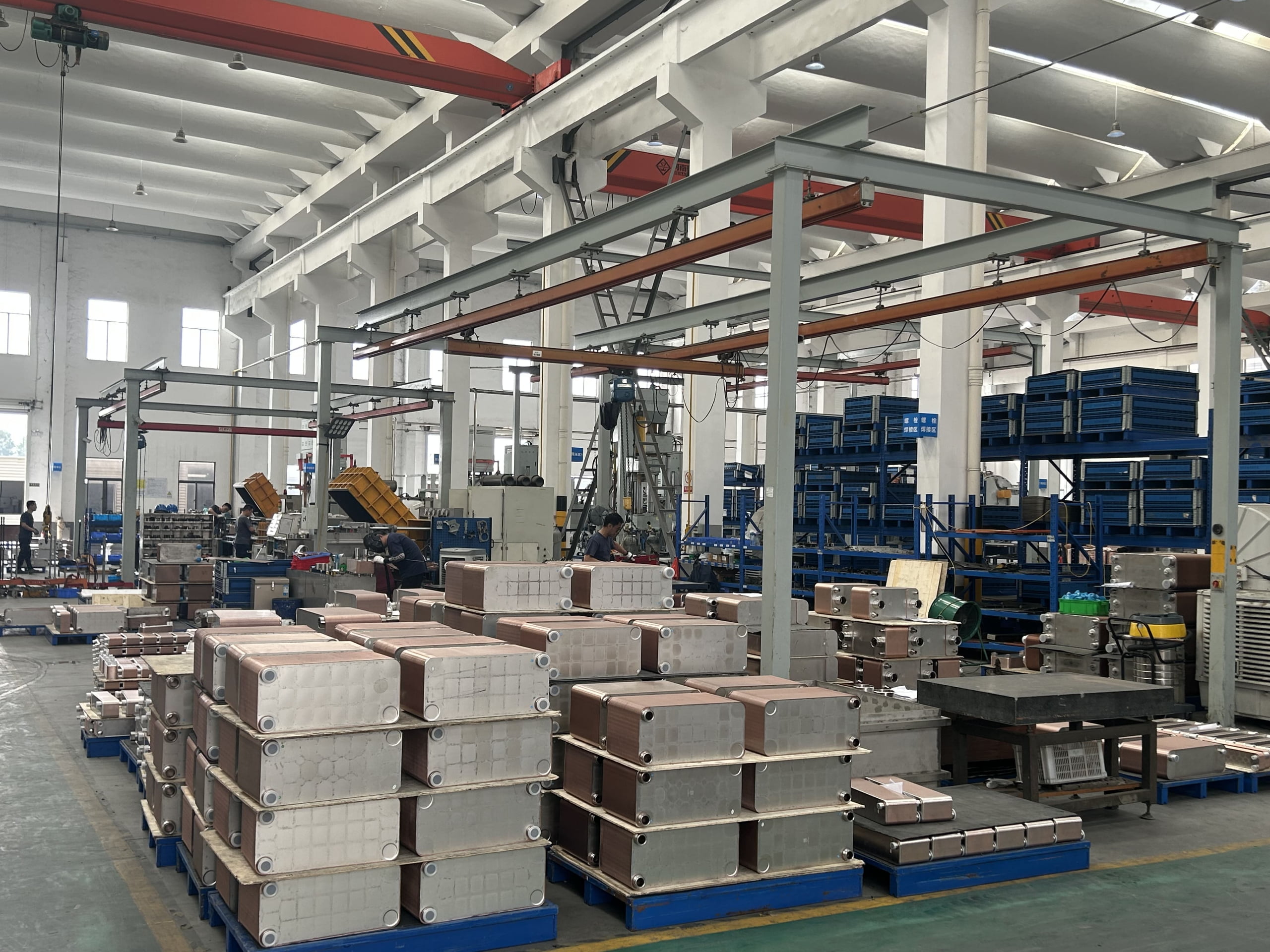
I have watched the industry change over the last fifteen years. We used to be happy with simple air cooling. But now, chips are getting hotter. The power density in a single rack is climbing fast. Air cooling just cannot keep up anymore. We need liquid cooling. This is where the efficiency of the heat exchanger becomes the most important thing. If the exchanger is weak, the heat stays in the chip, and the server slows down.
Brazed Plate Heat Exchangers are incredibly efficient. In my experience at TIVO, we see heat transfer efficiencies of 95% or more. This means almost all the heat from the hot side moves to the cold side. The corrugated plate design creates a lot of turbulence inside the unit. This turbulence is good. It forces the liquid to mix and touch the metal plates, pulling the heat away very fast.
There are two main ways we see people cooling high-density racks7 now. One is cold plate liquid cooling. This is where liquid runs directly to the chip. The other is immersion cooling. This is where the whole server sits in a bath of non-conductive liquid. For both of these methods, the BPHE is the first choice. It handles the high pressure and the specific fluids perfectly. It is the heart of the cooling system. Without a high-efficiency unit, even the best liquid cooling setup will fail.
What Role Do Gasketed Plate Heat Exchangers Play in the Bigger Picture?
While CDUs handle the rack, the entire building still needs cooling. Ignoring the external heat rejection loop can lead to total system failure during summer.
Gasketed Plate Heat Exchangers (GPHE) are essential for the facility-wide cooling loop8. They connect the indoor loop to cooling towers or chillers. Their maintainability makes them perfect for these large-scale applications where space is less restricted than inside the server rack.
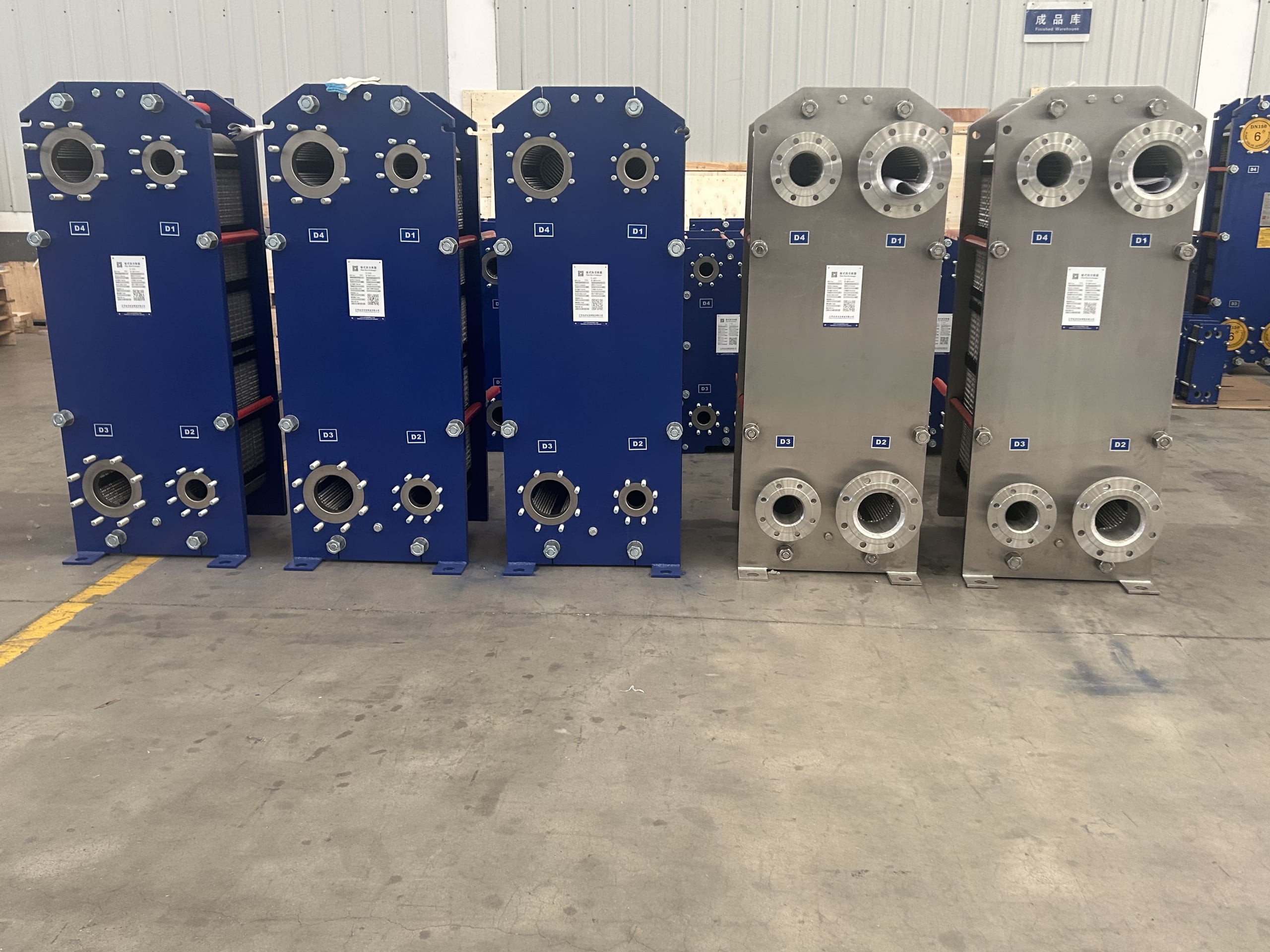
I do not want you to think that Gasketed Plate Heat Exchangers are useless. That is not true at all. While they are too big for the little CDU inside the rack, they are the kings of the plant room. You have to look at the whole data center as a big loop. The little BPHE takes heat from the server. But where does that heat go? It goes to a water loop that leaves the server room.
This is where the big GPHE comes in. It sits between the indoor water loop and the outdoor cooling sources, like cooling towers. In the plant room, we usually have more space. So, the large size of the GPHE is not a deal-breaker. The biggest advantage here is maintenance. You can open a GPHE. You can take the plates apart and clean them. This is very important for the side connected to the cooling tower. Cooling tower water can be dirty. It can have dust or algae.
If you used a brazed unit for dirty tower water, it might clog up. You cannot open a brazed unit to clean it. But with a GPHE, my customers can open it up, power wash the plates, put new gaskets on, and it is good as new. So, for the "End-of-Row" or the main facility cooling, the GPHE is still a vital part of the system. It protects the cleaner, sensitive indoor loop from the dirty outdoor environment.
How Does the System Handle Extreme Summer Temperatures?
Summer heatwaves can overwhelm standard cooling towers. If your system cannot adapt to high ambient temperatures, your data center risks immediate overheating.
When cooling towers cannot provide cold enough water due to high air temperatures, backup chillers9 must activate. These chillers use heat exchangers to provide supplemental cooling, ensuring the data center temperature remains stable even during extreme weather conditions.
I worry about the summer months. I know many facility managers do too. When the outside air gets very hot, the cooling tower struggles. The water coming back from the tower is just not cold enough to cool the data center down. This is a critical moment. If you do not have a backup plan, the temperatures inside will rise. The servers will start to shut down to protect themselves.
This is why we have chillers. A chiller is a machine that uses a compressor to force the water temperature down. It is like a big air conditioner for water. During the hottest days of the year, the cooling tower is not enough. The system switches modes. It brings the chiller online to supplement the cooling. This process adds "mechanical cooling" to the loop.
The heat exchangers play a huge role here. They transfer this extra cold energy into the system. Whether it is a large GPHE connected to the chiller loop or a specialized evaporator, it has to work instantly. We often supply spare parts for these units because they work so hard in the summer. A leak or a failure here in July or August is a disaster. That is why reliable, high-quality plates and gaskets are so important. It ensures that when the heatwave hits, your backup system is ready to save the day. It brings the temperature down fast, keeping your data safe.
Conclusion
To keep your data center running safely, use compact Brazed Plate Heat Exchangers for the rack CDUs and maintainable Gasketed Heat Exchangers for the main facility cooling loop.
Explore how BPHEs enhance cooling efficiency and save space in data centers. ↩
Learn about the critical role CDUs play in maintaining optimal temperatures in server environments. ↩
Find out how cold plate systems improve cooling performance for modern servers. ↩
Learn about the vacuum brazing process and its advantages for heat exchanger design. ↩
Learn about GPHEs and their role in facility-wide cooling systems. ↩
Discover how immersion cooling can enhance heat management in high-density server racks. ↩
Understand the unique cooling needs of high-density server environments. ↩
Understand the importance of a cooling loop in managing heat across a data center. ↩
Learn about the role of backup chillers in maintaining stable temperatures during heatwaves. ↩