Are you struggling with dirty cooling water in your green hydrogen systems? Copper leaching can ruin your expensive PEM electrolyzers1. Discover a safer and cleaner cooling solution today.
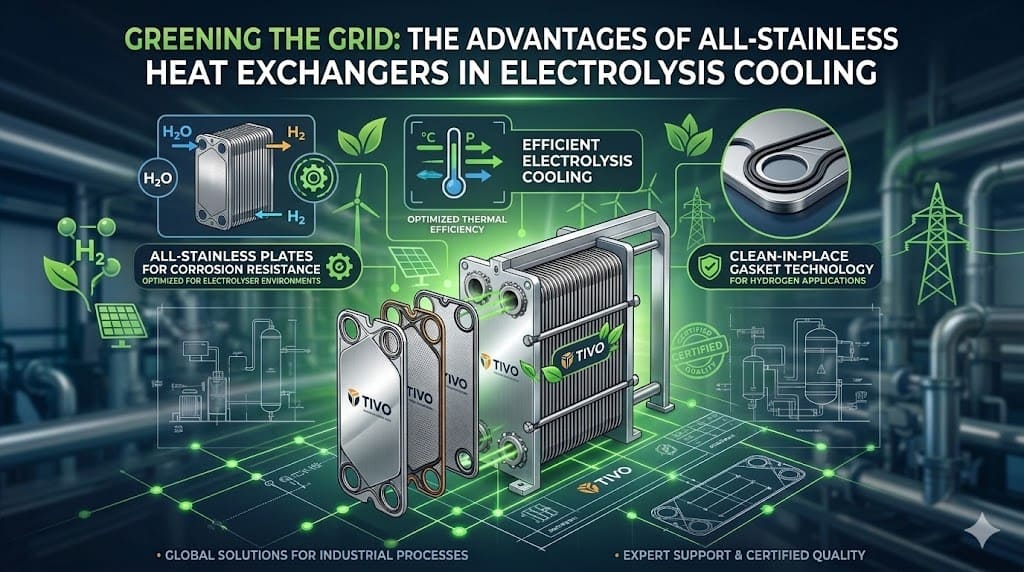
All-stainless fusion-bonded heat exchangers2 offer the best cooling for electrolysis. They use pure stainless steel without copper brazing. This stops heavy metal pollution in deionized water3 completely. They also lack rubber gaskets. This prevents hydrogen leaks4 and saves space in tight skids.
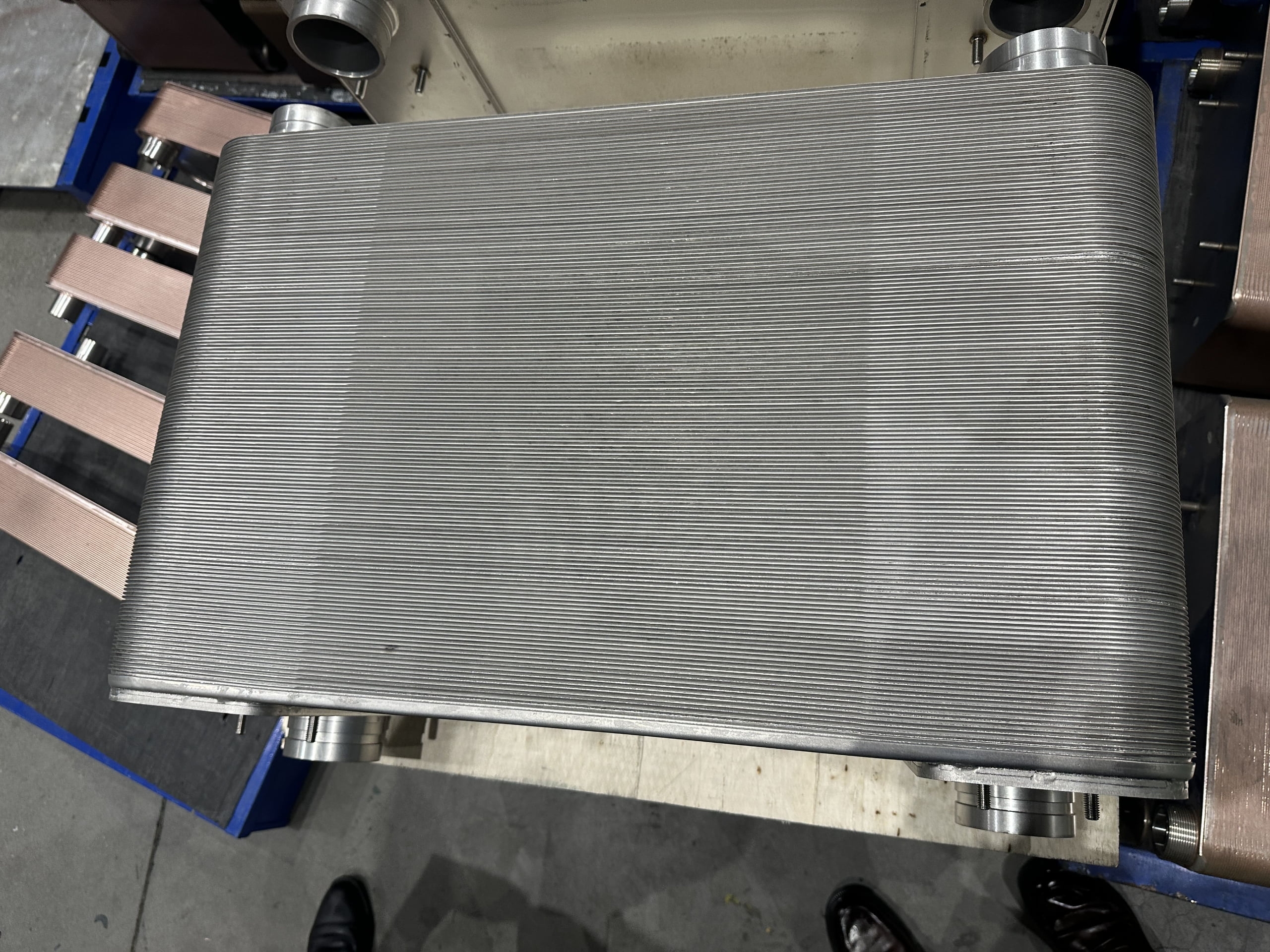
You might think standard brazed heat exchangers5 are good enough for your new plant. But using the wrong heat exchanger will cause costly shutdowns and make you stop reading here.
Why do traditional copper-brazed heat exchangers fail in PEM electrolysis?
Do your electrolyzers keep failing for no clear reason? Traditional brazed heat exchangers use copper. This copper breaks down in pure water and quickly destroys your whole system.
Traditional brazed plate heat exchangers use copper to hold the plates together. Deionized water in electrolysis systems is highly reactive. It quickly pulls copper ions from the braze. This copper pollution poisons the PEM electrolyzer and causes complete system failure very fast.
I want to explain the chemistry of deionized water. Deionized water is very clean. But it is also very "hungry." It wants to pull ions from other metals. I saw this exact problem happen at a green energy plant in Germany last year. The customer used a standard copper-brazed heat exchanger for their cooling loop. They thought it was a good idea. They were wrong. The pure water pulled copper ions out of the metal joints over a few weeks. The water then carried these copper ions straight to the PEM electrolyzer. The copper poisoned the expensive PEM membrane. The whole system died. We test our heat exchangers in my factory every day. We know that copper and deionized water do not mix. You must use pure stainless steel. Replacing a broken PEM electrolyzer costs a lot of money. It also stops your hydrogen production6 completely. You lose time and you lose money. A standard brazed heat exchanger seems cheap at first. But the hidden costs are huge. You must look at the total cost of your system. A cheap part can ruin a million-dollar plant. I will show you the differences in the table below.
| Feature | Copper-Brazed Heat Exchanger | Fusion-Bonded Heat Exchanger |
|---|---|---|
| Bonding Material | Copper | 100% Stainless Steel |
| Copper Leaching Risk | Very High | Zero |
| PEM Electrolyzer Safety | Poor | Excellent |
| Long-term Cost | High (due to system failures) | Low |
How does fusion bonding stop heavy metal pollution7 in green hydrogen systems?
Are you worried about metal contamination in your pure water loops? Heavy metals ruin hydrogen production. Fusion bonding removes this heavy metal risk completely from your plant.
Fusion bonding uses extreme heat to melt and join stainless steel plates directly. This process requires zero copper or other filler metals. The result is a pure stainless steel heat exchanger. It completely stops heavy metal pollution in your ultra-pure water systems.
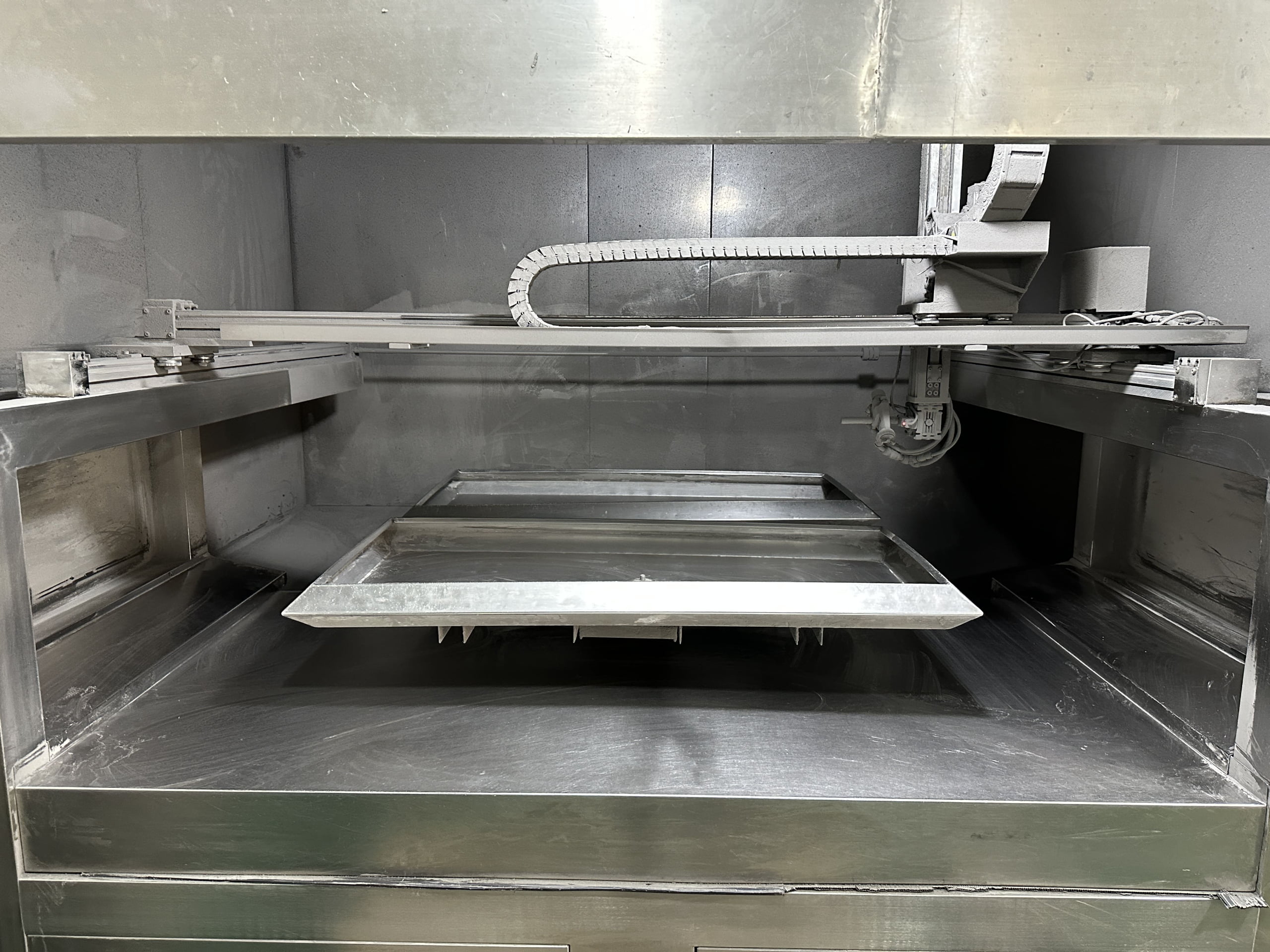
I walk through my factory often. I like to watch the fusion bonding machines work. They use very high heat. The heat melts the edges of the stainless steel plates. The plates join together to form one solid block. We do not add any copper. We do not add any nickel. The finished unit is pure stainless steel. This is perfect for green hydrogen production. Green hydrogen needs ultra-pure water to work right. Any heavy metal will ruin the chemical process. Fusion bonding gives you a solid metal block. It is very strong. It is very clean. I talk to engineers like Lars from Denmark a lot. Lars builds high-purity systems for large companies. He hates copper contamination. He buys our fusion-bonded units for all his new projects. These units keep his water clean. They keep his electrolyzers safe from heavy metals. You can trust this technology. It works every time. Let us look at the material makeup in the table below. You will see why fusion bonding is much better. It removes all risks of metal pollution. It gives you peace of mind.
| Material Aspect | Traditional BPHE | Fusion-Bonded Unit |
|---|---|---|
| Plate Material | 316L Stainless Steel | 316L Stainless Steel |
| Filler Material | 99% Copper | None |
| Purity Level | Low (Copper mixes with water) | Ultra-High (Only steel touches water) |
| Application | Standard HVAC | Ultra-pure Electrolysis |
Why are gasketed heat exchangers8 dangerous for high-pressure hydrogen cooling9?
Are your rubber gaskets leaking dangerous hydrogen gas into the air? Hydrogen molecules are very small. High heat and high pressure will destroy standard rubber seals over time.
Gasketed plate heat exchangers use rubber seals between plates. Hydrogen molecules easily escape through tiny gaps. High temperatures and pressure changes make these rubber gaskets age and crack. This causes dangerous gas leaks and releases bad organic chemicals into your clean water loop.
I need to talk about hydrogen leaks and rubber gaskets. Hydrogen is the smallest molecule in the world. It can slip through very small spaces easily. The electrolysis process creates high heat. It also creates high pressure. Standard gasketed heat exchangers use rubber seals to keep fluids inside. I have seen old rubber seals in the field many times. They get hard after a few months. They crack. When they crack, hydrogen escapes into the air. This is a huge safety risk for your plant. Also, the hot water breaks down the rubber. The rubber releases organic matter into the clean water. This ruins the water purity. Fusion-bonded heat exchangers do not have any rubber gaskets. They are one solid piece of welded metal10. They handle sudden thermal shock11 easily. They handle high pressure changes safely. You do not need to replace gaskets. They last for a very long time without maintenance. You save money on spare parts. I want to share a table with you. This table compares gasketed units with fusion-bonded units. It shows the real safety risks. You must avoid rubber gaskets in hydrogen systems.
| Risk Factor | Gasketed Heat Exchanger | Fusion-Bonded Heat Exchanger |
|---|---|---|
| Seal Type | Rubber Gaskets | Solid Stainless Steel |
| Hydrogen Leak Risk | High (Gaskets age and crack) | Zero (Fully sealed metal) |
| Organic Leaching | Yes (Rubber breaks down) | No |
| Maintenance Needs | High (Replace gaskets often) | Zero (Maintenance-free) |
How do all-stainless heat exchangers save space in skid-mounted equipment12?
Is your green hydrogen skid too heavy and too crowded? Standard heat exchangers take up too much room. You need a compact design13 to save space and save money.
All-stainless fusion-bonded heat exchangers do not need thick carbon steel frames or heavy clamping bolts. This makes them much smaller and lighter than standard gasketed units. They give you the exact same cooling power while saving valuable space in tight skid-mounted systems.
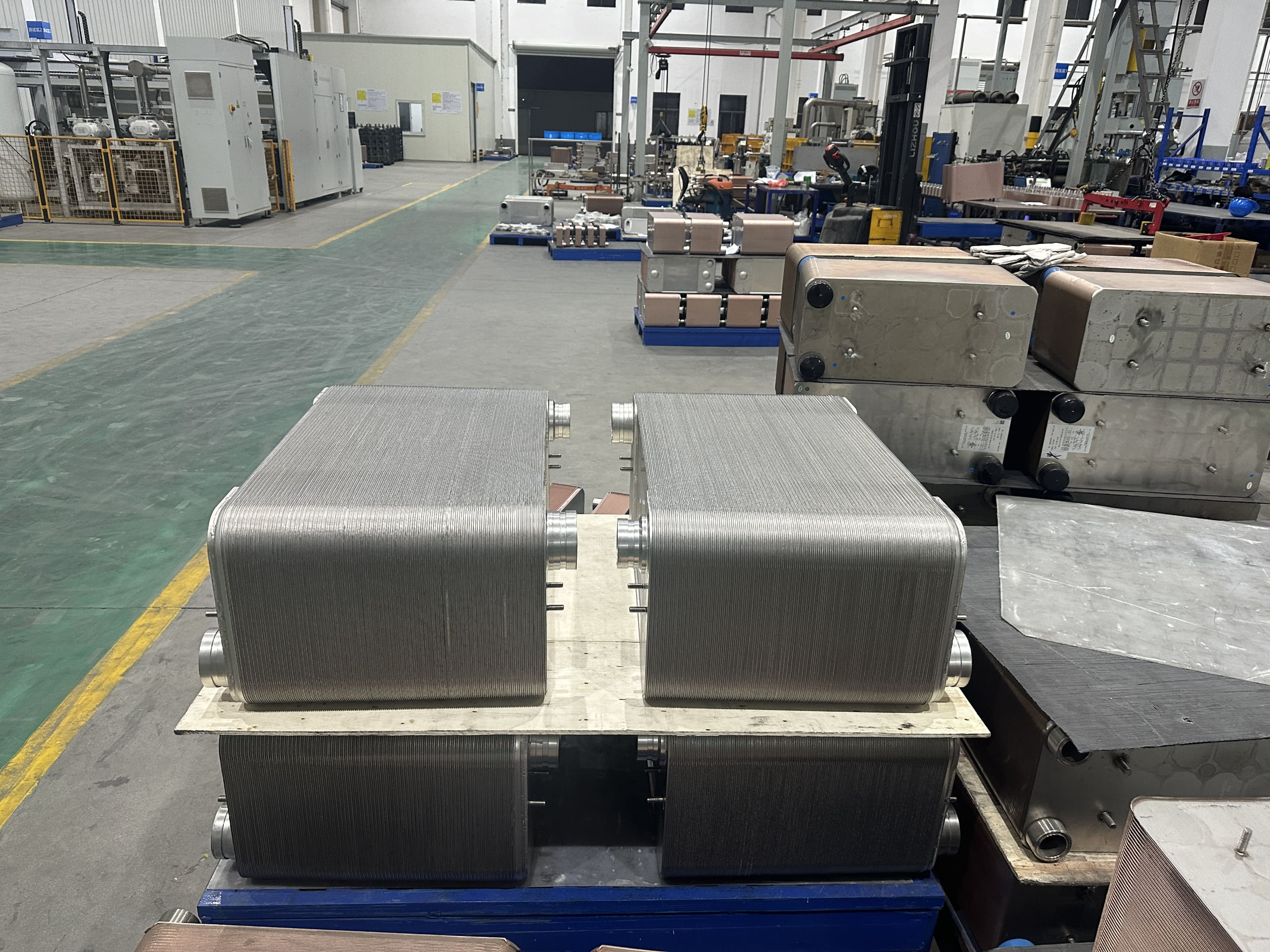
I help customers design skid-mounted equipment all the time. Green hydrogen plants are almost always built on skids. A skid is a metal frame that holds machines. Space on a skid is very limited. Weight is also a big problem for engineers. A standard gasketed heat exchanger is very heavy. It needs thick carbon steel covers on the front and back. It needs big steel bolts to hold the plates together tightly. These extra parts take up a lot of room. Fusion-bonded heat exchangers do not need these heavy parts. They give you the same strong cooling power in a much smaller box. Their weight is only a small fraction of a gasketed unit. This saves a lot of space on your skid. It makes shipping the skid cheaper. It makes installation at the site faster. Customers always want smaller and lighter equipment. Fusion bonding is the best choice for small spaces. The table below shows the clear size and weight differences. You can see how much space you will save. This helps you build better and cheaper skids.
| Specification | Gasketed Unit | Fusion-Bonded Unit |
|---|---|---|
| Frame Material | Heavy Carbon Steel | None (Self-contained) |
| Clamping Bolts | Yes (Takes up extra space) | No |
| Overall Weight | Very Heavy | Very Light |
| Footprint on Skid | Large | Small (Saves up to 80% space) |
Conclusion
All-stainless fusion-bonded heat exchangers stop copper pollution completely. They prevent dangerous hydrogen leaks. They save valuable space on skids. They protect your electrolyzers and ensure clean green hydrogen production.
Explore the workings of PEM electrolyzers to appreciate their role in green hydrogen production and the importance of protecting them. ↩
Discover how fusion-bonded heat exchangers can enhance the efficiency and safety of hydrogen systems. ↩
Understanding deionized water is essential for grasping its role in electrolysis and the risks associated with it. ↩
Understanding the causes of hydrogen leaks can help in selecting safer heat exchanger options for hydrogen systems. ↩
Explore the limitations of brazed heat exchangers to understand why they may not be suitable for electrolysis applications. ↩
Understanding the factors affecting hydrogen production can help optimize processes for better results. ↩
Learn about the impact of heavy metal pollution on water systems and why it's critical to prevent it in hydrogen production. ↩
Learn about the risks of gasketed heat exchangers to make informed decisions for safer hydrogen production. ↩
Understanding the challenges of high-pressure hydrogen cooling can help in selecting the right equipment for safety. ↩
Explore the benefits of welded metal in heat exchangers for improved safety and performance in hydrogen systems. ↩
Understanding thermal shock is vital for ensuring the reliability and safety of heat exchangers in high-pressure systems. ↩
Understanding the benefits of skid-mounted equipment can enhance project efficiency and reduce costs. ↩
Discover how compact designs can lead to more efficient and cost-effective industrial equipment solutions. ↩