Choosing the wrong heat exchanger can hurt your system's efficiency and cost you money. You need a solution that fits your specific needs, but the options can be confusing.
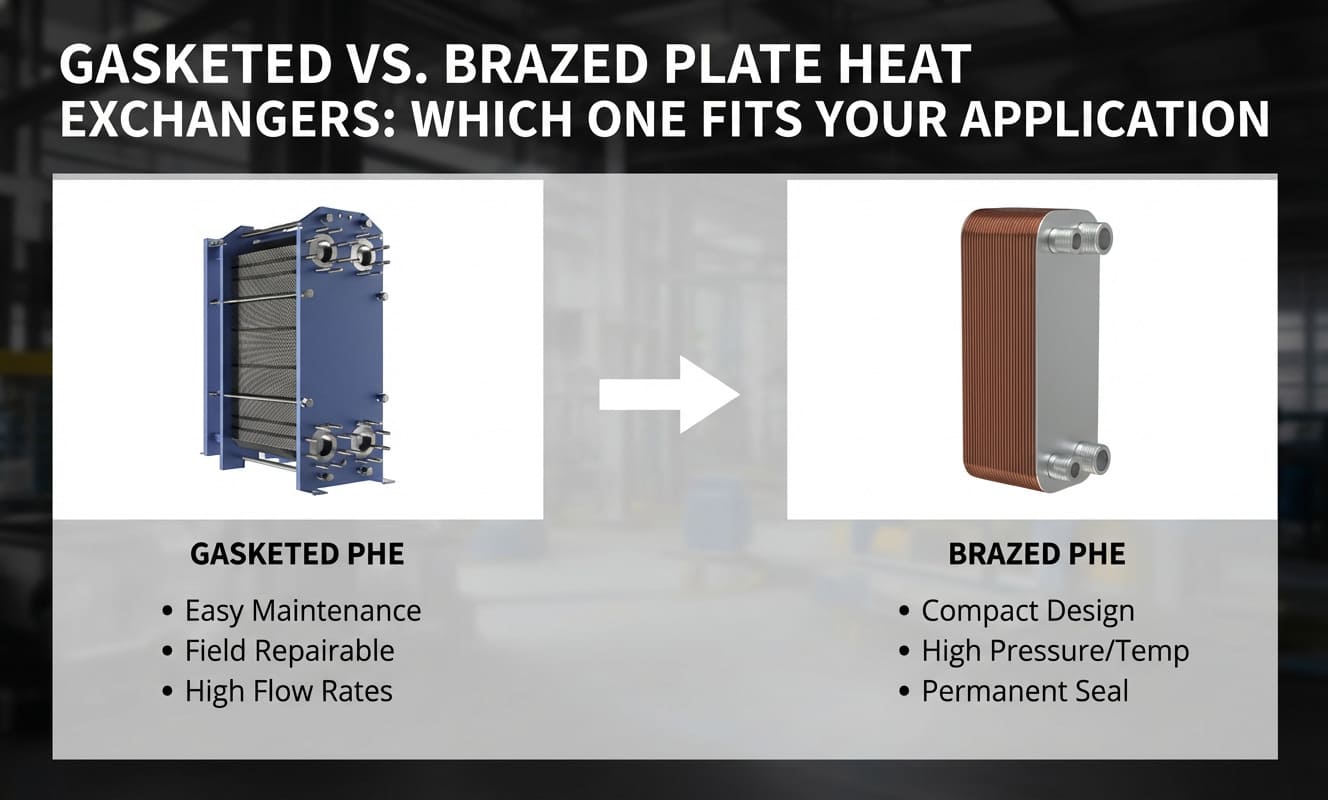
A Gasketed Plate Heat Exchanger (GPHE)1 is best for applications requiring maintenance, flexibility, or special materials. A Brazed Plate Heat Exchanger (BPHE) is ideal for compact, high-pressure, maintenance-free systems2 using clean fluids3. The right choice depends entirely on your specific operating conditions4.
It seems like a simple choice, but the details really matter for long-term performance. I've spent over 15 years helping people select the right equipment, and I’ve seen how getting this decision right from the start saves a lot of trouble later on. Let's break down exactly when to use each type, so you can make the best choice for your system.
Are Gasketed and Brazed Heat Exchangers Interchangeable?
You might think you can just swap a gasketed unit for a brazed one to save space or money. But this assumption can lead to system failure, leaks, or poor performance if the conditions aren't right. Let's clarify when they can be swapped and when they can't.
They are sometimes interchangeable in low-pressure, clean fluid applications with smaller flow rates, like in some residential HVAC systems5. However, for most industrial processes6 involving specific pressures, aggressive fluids, or potential fouling7, they are not interchangeable. Custom selection is always the safest path.
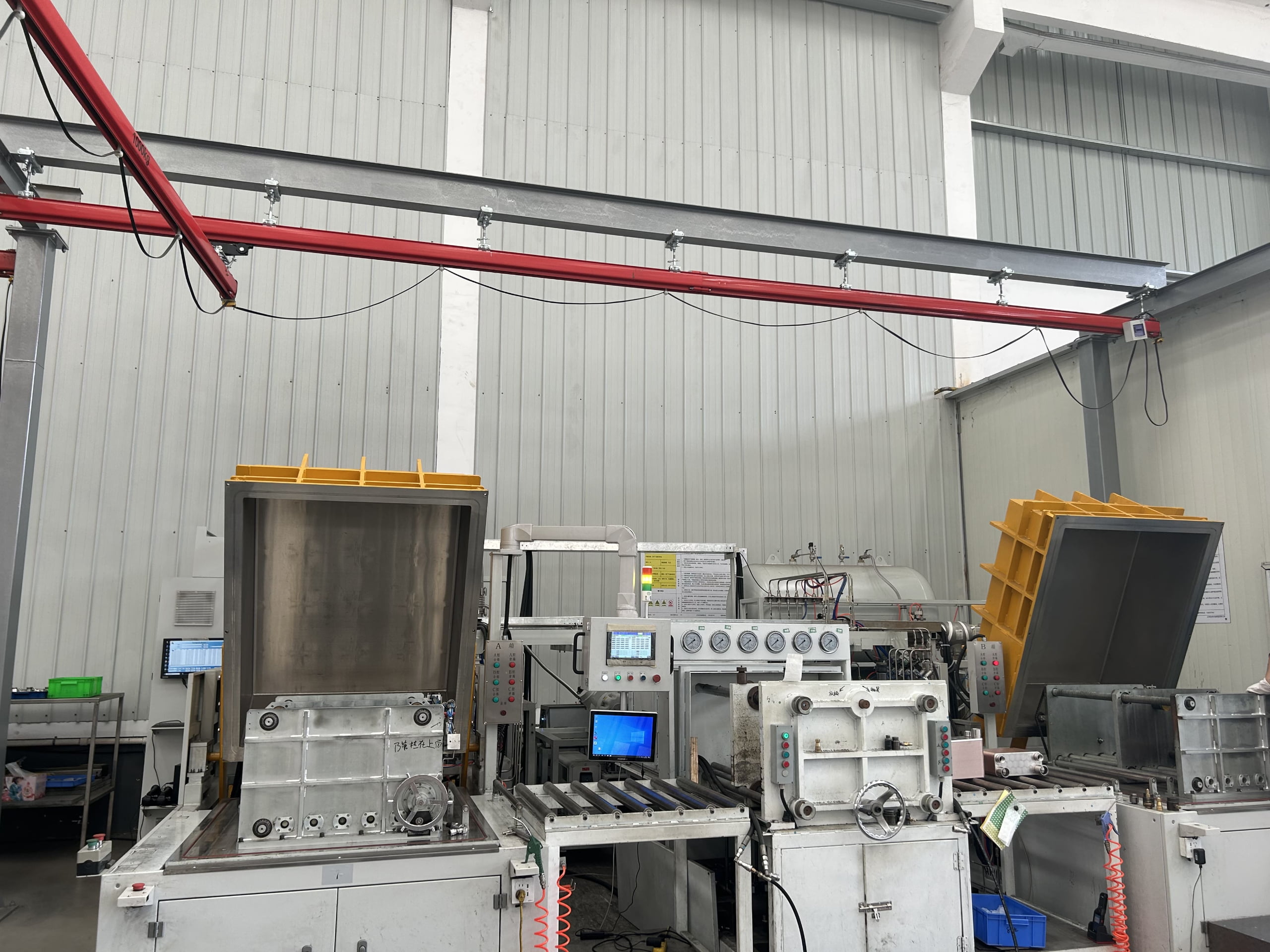
In my experience, a plate heat exchanger should always be treated as a custom-engineered product. We don't just pick one off a shelf. The decision always starts with your specific working conditions. The three most important factors are the medium (what fluids are you using?), the operating pressure and temperature, and the required flow rate. For example, in a simple water-to-water heating application for a small building, both a GPHE and a BPHE could technically do the job. But for a chemical plant cooling a corrosive acid, a GPHE with titanium plates and specialized gaskets is the only option. A standard copper-brazed BPHE would corrode and fail very quickly. The table below gives a simple guide.
| Factor | Favors Gasketed (GPHE) | Favors Brazed (BPHE) |
|---|---|---|
| Fluid Type | Potentially fouling, corrosive, or food-grade | Clean fluids, refrigerants, oils |
| Maintenance | Regular cleaning or inspection needed | Maintenance-free, sealed systems |
| Flexibility | Capacity may need to change in the future | Fixed, predictable capacity needed |
| Pressure | Low to medium | High pressure |
Why is a Gasketed Plate Heat Exchanger the More Flexible Option?
Your system's needs might change over time, or fouling from the process fluid can build up. A completely sealed unit means you're stuck, facing a full replacement when a simple cleaning could have solved the problem. Gasketed heat exchangers offer a design that adapts to your needs.
Gasketed Plate Heat Exchangers (GPHEs) are flexible because you can open them up. This allows for easy mechanical cleaning8, adding or removing plates to adjust capacity, and simple replacement of worn-out gaskets or damaged plates. This makes their long-term value much higher in many industries.
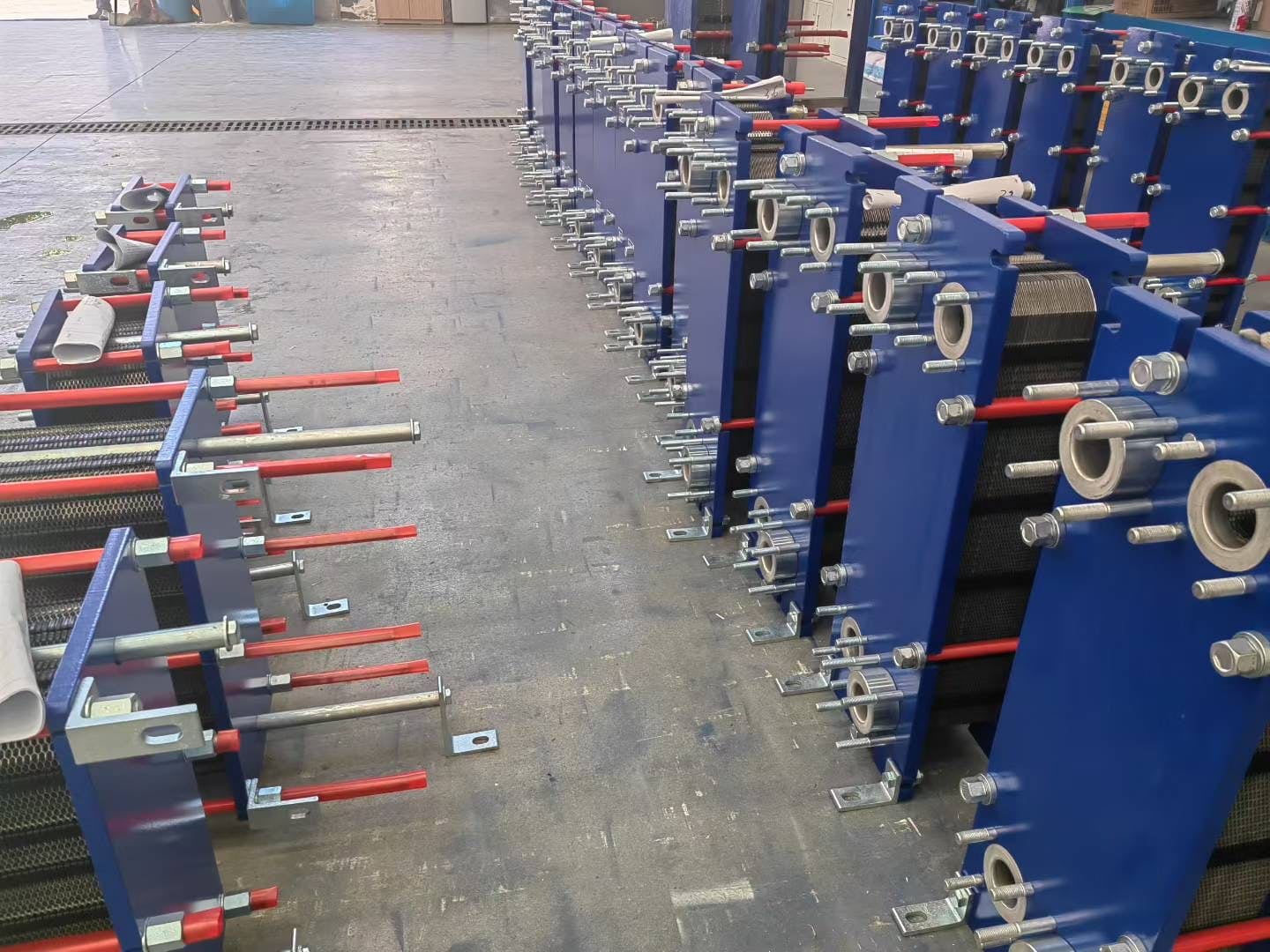
The true power of a GPHE is its serviceability. You can loosen the large tie bolts, slide back the movable frame plate, and get direct access to every single heat transfer plate inside. I once worked with a client in the palm oil industry who had severe fouling issues. With their GPHE, they could schedule a shutdown every six months, open the unit, and pressure-wash the plates clean. This restored performance to nearly 100% every time. This would be impossible with a sealed BPHE.
This design also means the unit can grow with your operations. If you expand your facility and need more cooling capacity, you can often just add more plates to the existing frame instead of buying a whole new heat exchanger. This saves a huge amount of money and downtime. Finally, the material combinations are nearly endless. We can match plate materials like stainless steel, titanium, or Hastelloy with gasket materials9 like NBR, EPDM, or Viton to handle almost any fluid safely and efficiently.
What Makes a Brazed Plate Heat Exchanger a Powerhouse of Efficiency?
You have very limited space in your equipment room but need the absolute maximum heat transfer possible. A bulky, traditional heat exchanger just won't fit, forcing a system redesign or a compromise on performance. This is where brazed plate heat exchangers really shine.
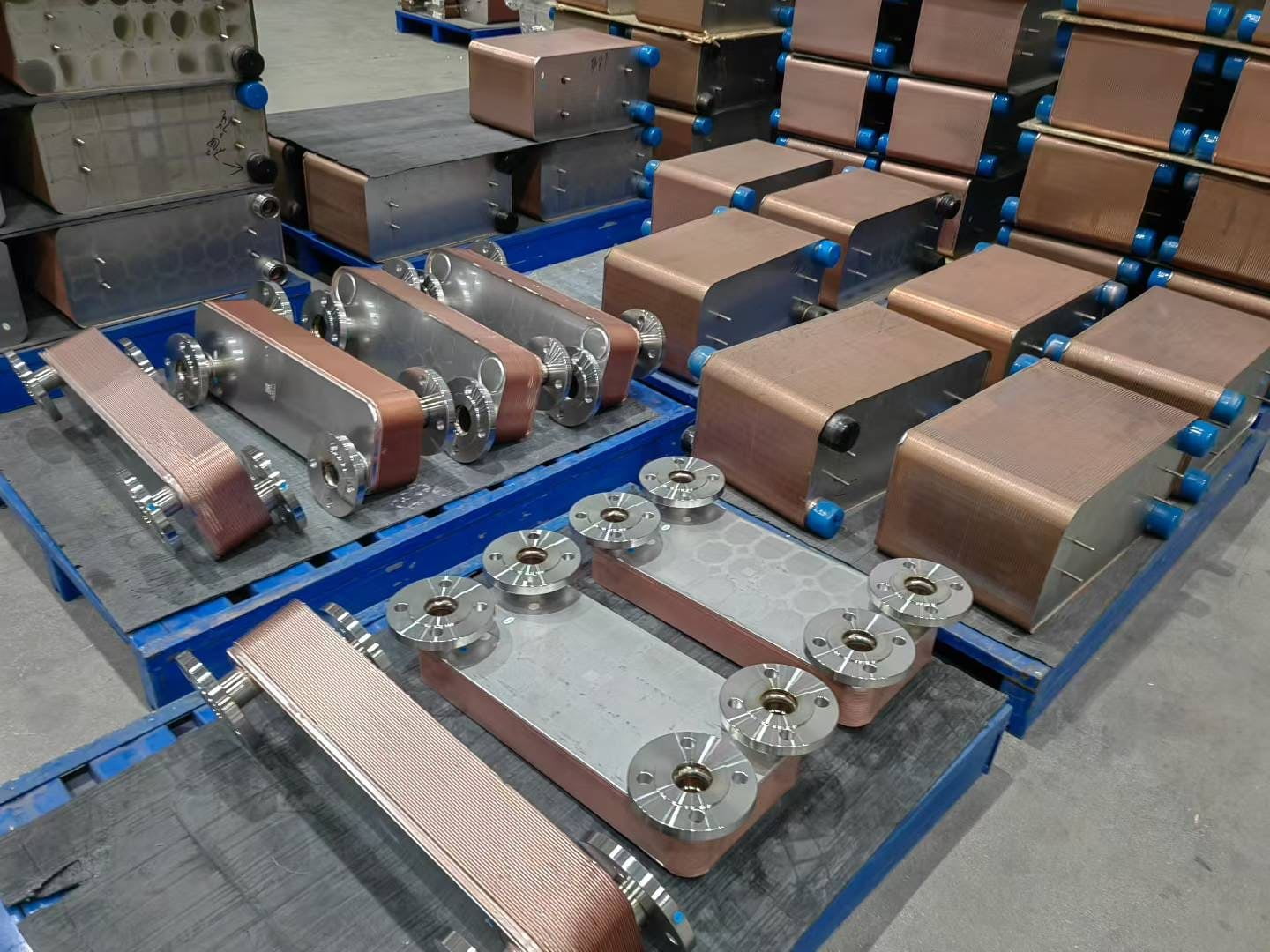
Brazed Plate Heat Exchangers (BPHEs) are highly efficient because their design removes the need for gaskets and heavy frames. This creates a very compact unit with nearly all its volume dedicated to heat transfer. The vacuum brazing process10 makes a strong, sealed unit perfect for high-pressure jobs.
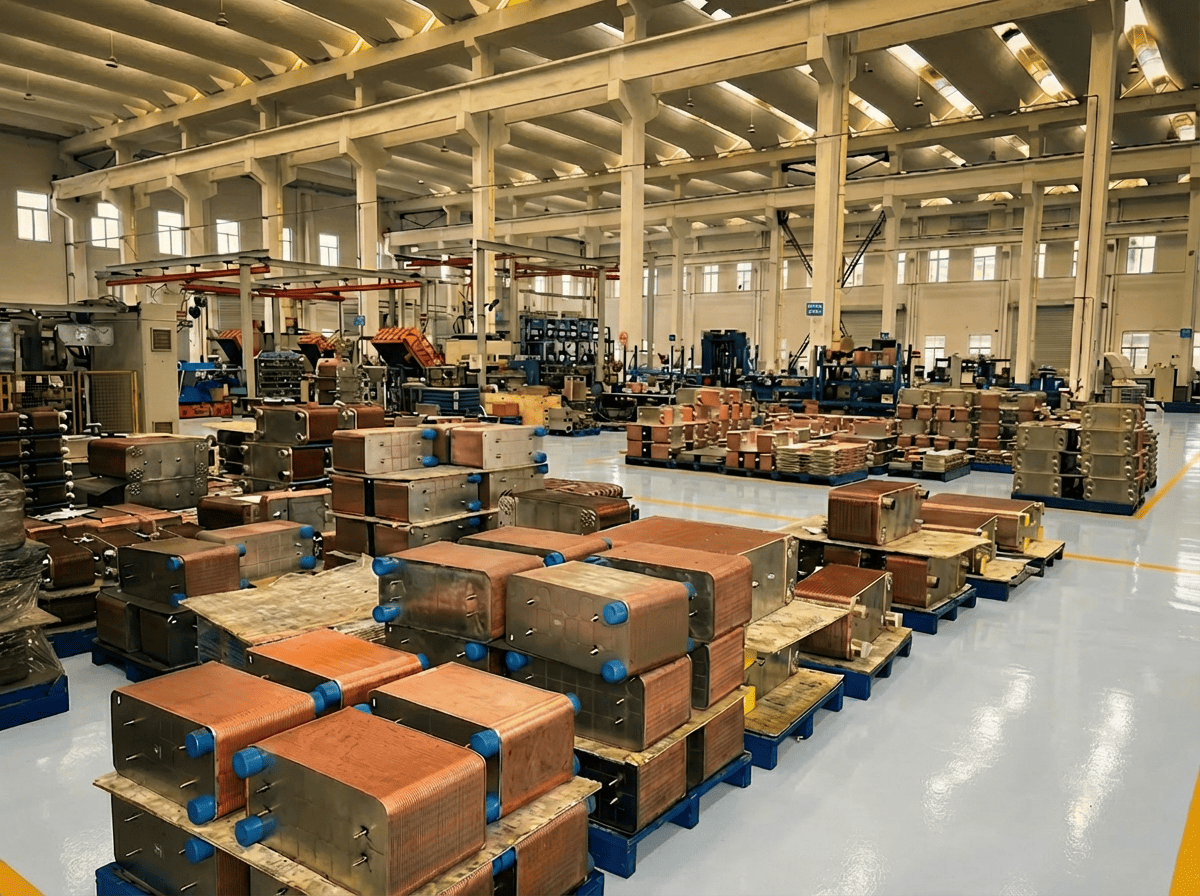
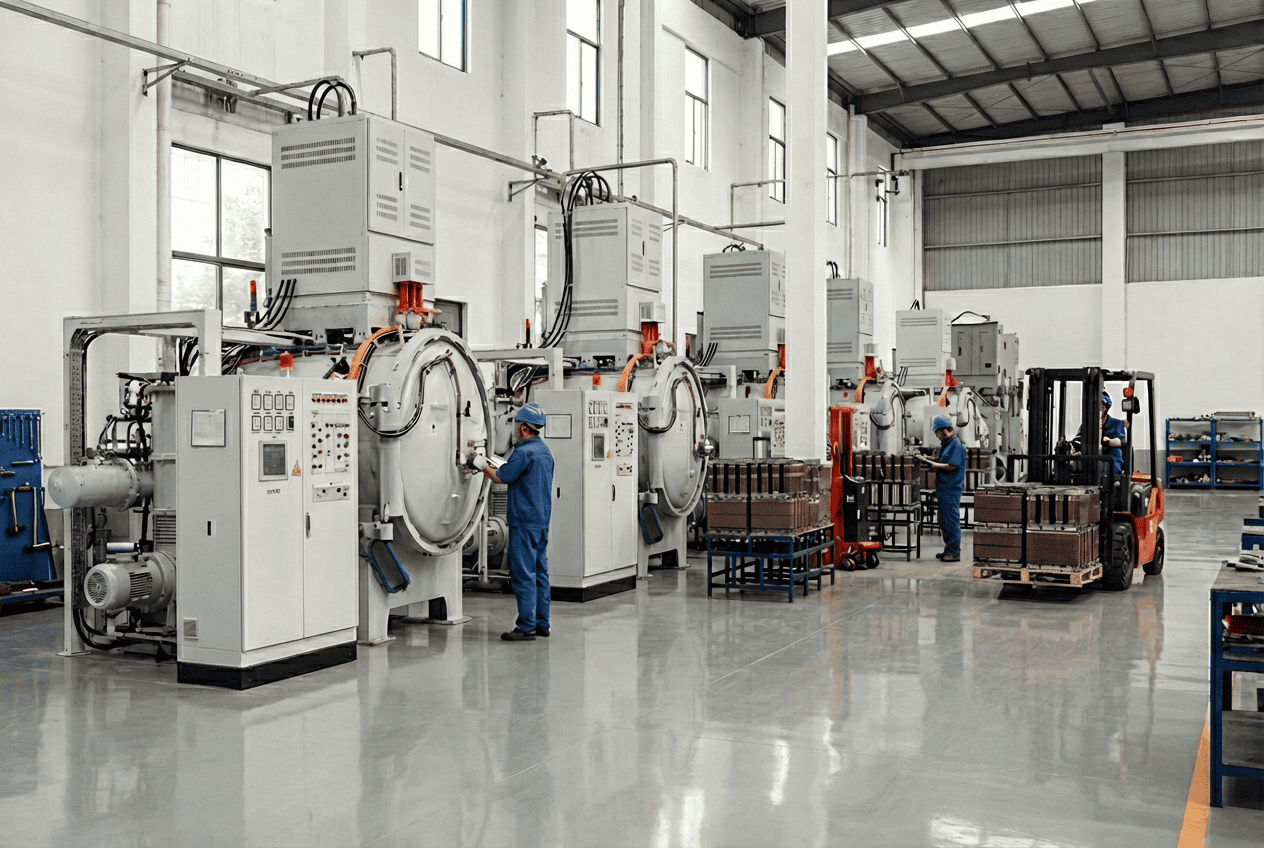
A BPHE is made by stacking corrugated stainless steel plates and brazing them together in a vacuum furnace, usually with copper. This process fuses all the plates into a single, solid block. Without the space needed for gaskets and a large compression frame, the unit is incredibly small and lightweight for its capacity. This is why they are the top choice for equipment manufacturers (OEMs). For example, in a data center cooling unit (CDU) or a modern heat pump, space is a premium. A compact BPHE can be integrated directly into the system as a component, delivering huge performance without taking up valuable room.
This solid, brazed construction also makes them extremely durable and able to handle very high pressures, which is essential for working with modern refrigerants. The trade-off, of course, is that they cannot be opened for service. This makes them best suited for applications with clean, closed-loop fluids where fouling is not a concern. For those applications, they offer unbeatable performance in a small package.
So, How Do You Choose the Right Heat Exchanger for Your System?
You understand the core differences between the two types, but now you have to make the final decision. Making the wrong choice could still lead to inefficiency, unexpected maintenance costs, or a unit that just doesn't perform under pressure. Let's walk through a simple decision process.
Choose based on four key criteria: maintenance needs, operating conditions4, space constraints11, and budget. If you need to clean the unit or adjust capacity later, pick a GPHE. If you need a compact, high-pressure, maintenance-free solution for clean fluids, choose a BPHE.
To make the right choice, I always ask my clients to think through these four points. It helps clarify which path is best.
Consider Your Maintenance Strategy
Is your fluid likely to cause scale, buildup, or fouling? This includes things like hard water, milk, juice, or certain industrial chemicals. If the answer is yes, you absolutely need a GPHE. The ability to open it and clean it is non-negotiable. For clean, closed-loop systems like refrigerant circuits or clean water loops, a maintenance-free BPHE is a perfect and reliable choice.
Analyze Your Operating Conditions
What are your highest pressures and temperatures? BPHEs naturally handle high pressures very well. However, what is the fluid itself? If it's corrosive, like seawater or certain acids, a GPHE is better because we can select special corrosion-resistant metals like titanium for the plates. A standard BPHE is typically limited to stainless steel plates and copper brazing.
Evaluate Your Space and Capacity Needs
Is your mechanical room already full? Is this being installed inside a piece of equipment? If space is the most critical factor, a BPHE is almost always the winner. But if you think your heating or cooling needs might increase in the future, the expandability of a GPHE is a major long-term advantage.
Compare Initial Cost vs. Lifecycle Cost
A BPHE almost always has a lower upfront purchase price. However, a GPHE, while more expensive initially, can have a lower total cost of ownership over its life. This is because you can service it, replace individual parts, and adapt it to new needs instead of replacing the entire unit.
Conclusion
Choosing between a gasketed and brazed heat exchanger is not about which is better overall. It is about which one is right for your specific job. GPHEs offer flexibility, while BPHEs provide compact efficiency.
Explore the advantages of GPHEs for maintenance and flexibility in various applications. ↩
Find out why maintenance-free systems can save time and costs in the long run. ↩
Explore the properties of clean fluids and their implications for heat exchanger design. ↩
Discover how different operating conditions influence the choice of heat exchangers. ↩
Discover the role of heat exchangers in enhancing HVAC system efficiency. ↩
Learn about the specific challenges faced by heat exchangers in industrial applications. ↩
Learn about fouling issues and prevention methods for heat exchangers. ↩
Understand the process and benefits of mechanical cleaning for heat exchangers. ↩
Explore the various gasket materials and their applications in heat exchangers. ↩
Learn about the vacuum brazing process and its advantages for heat exchangers. ↩
Understand how space limitations influence heat exchanger design and selection. ↩