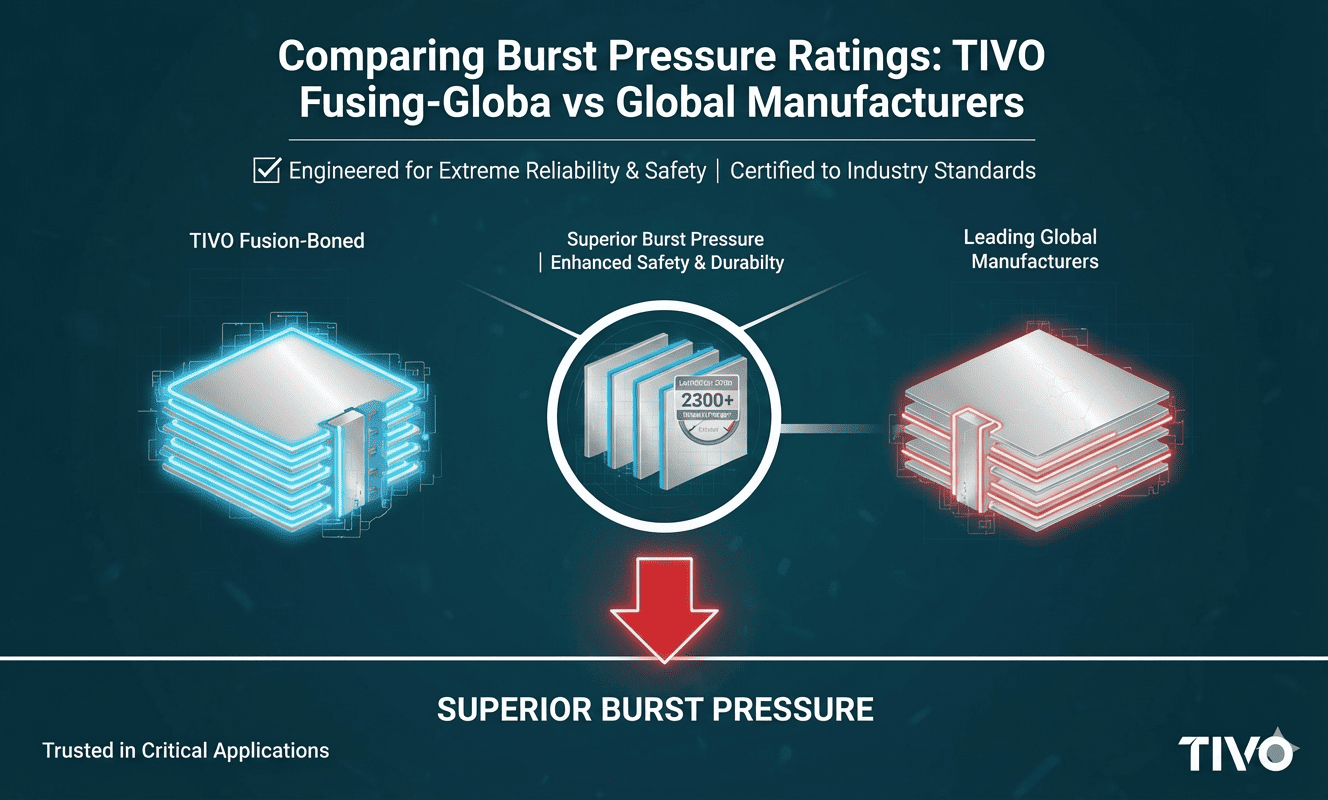
Industrial leaks ruin production schedules and destroy expensive equipment instantly in high-pressure environments. Are you worried that your current heat exchanger cannot handle the extreme pressure and corrosive fluids1 your system demands?
TIVO Fusion-Bonded heat exchangers2 match or exceed global burst pressure standards through 100% stainless steel construction3. Unlike copper-brazed units, our homogeneous bonding eliminates thermal stress points, offering safe operations up to 550°C and superior resistance to ammonia and high-purity fluids.
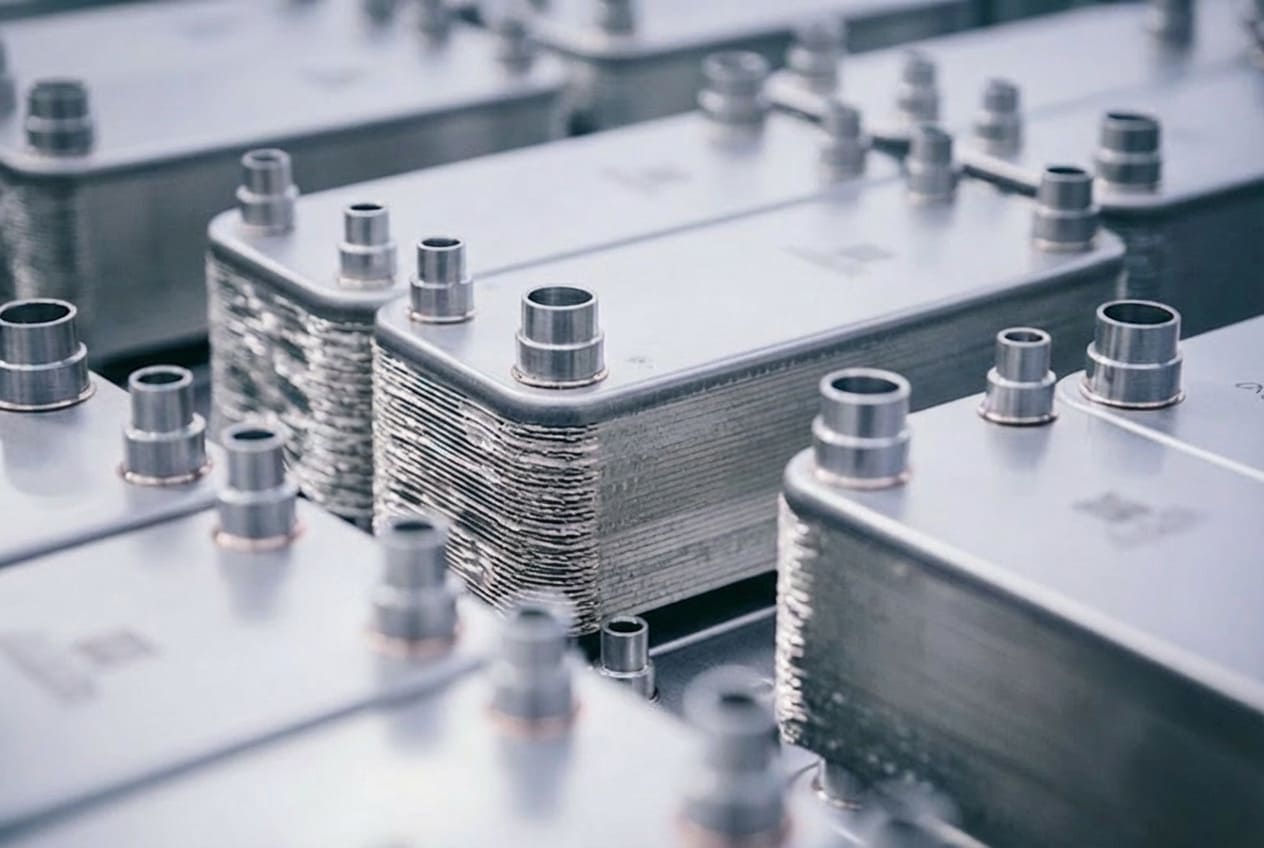
I have seen many engineers struggle with this specific choice. They often stick to the big brand names they know, fearing that trying something new will lead to a system failure. However, when I look at the data and the physical properties of the metals we use, the answer becomes very clear. Let us look at the details.
Why Is Eliminating Copper Crucial for High-Purity Systems?
Copper contamination destroys sensitive chemical loops and ruins ammonia refrigeration systems4 quickly. You cannot afford to let a single trace element compromise your entire production line or cause a safety hazard.
The copper filler found in standard brazed units reacts poorly with ammonia and ultra-pure water, causing rapid corrosion and system failure. TIVO Fusion-Bonded units use 100% stainless steel, removing the copper filler entirely to ensure zero contamination and long-term structural integrity.
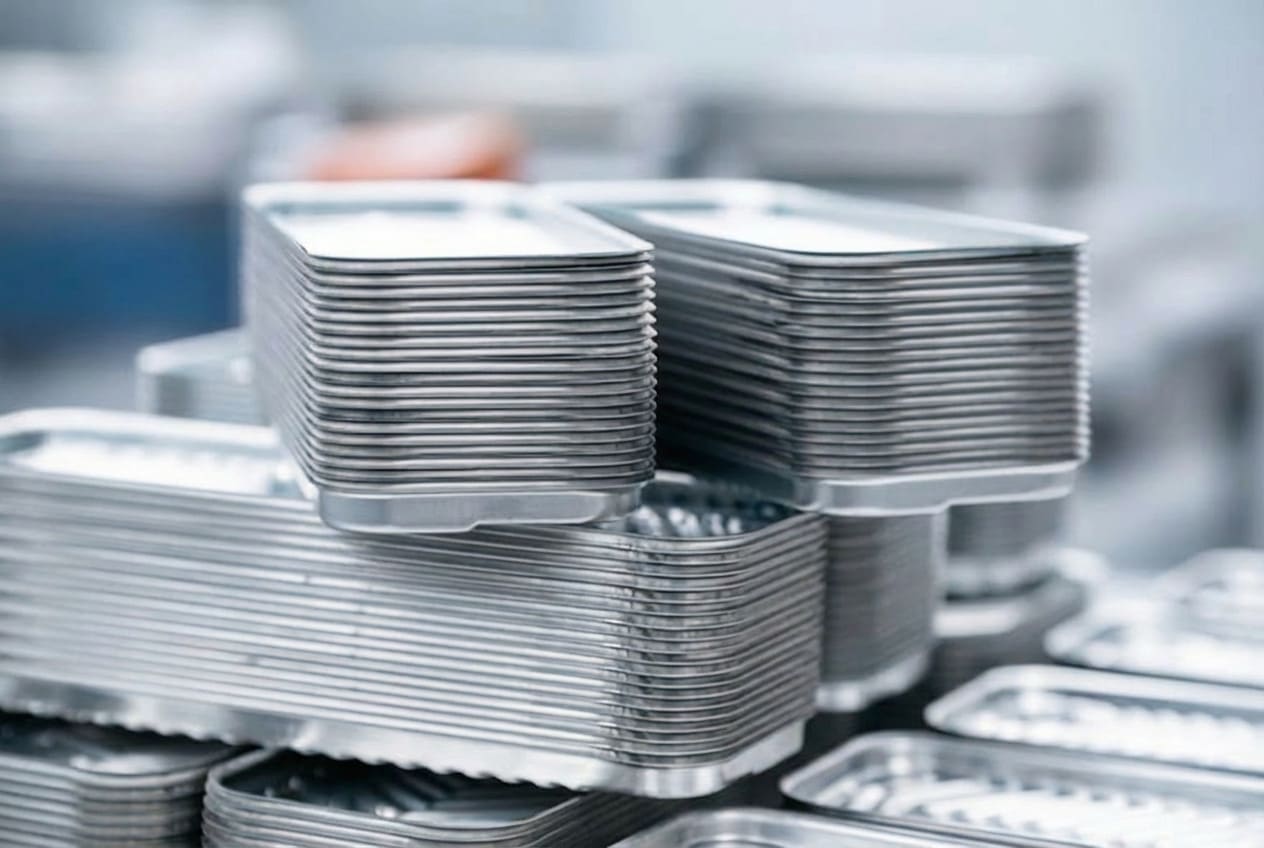
In the high-stakes world of semiconductor manufacturing and aggressive chemical processing, the "purity" of your thermal loop is a requirement for survival. For years, I have seen engineers struggle with the limitations of standard copper-brazed units. In these environments, copper ions cause severe holes in the metal or contaminate the system. At TIVO, we recognized this gap. Our Fusion-Bonded technology was developed not just to withstand pressure, but to redefine material integrity in corrosive environments.
When dealing with ammonia (R717) or Ultra-Pure Water (UPW)5, copper is your enemy. According to the IAPWS Standards, even trace amounts of material leaching can ruin the chemical balance of a closed-loop system. Standard brazed heat exchangers rely on copper as a "glue" or filler. Under high-temperature or corrosive loads, this filler becomes the first point of failure. It is the weakest link in the chain.
TIVO’s Fusion-Bonded series utilizes a proprietary molecular-level bonding process. We are not just "gluing" plates together with a different metal. We are fusing 100% SS316 stainless steel into a single, solid block. This makes a huge difference for customers like Lars, an Engineering Lead in the Netherlands who demands strict environmental safety. He knows that if copper touches ammonia, the equipment will fail. By using our fusion technology, we remove that risk entirely.
| Performance Metric | Standard Copper Brazed HE6 | TIVO Fusion-Bonded (Stainless) |
|---|---|---|
| Joining Material | Copper (Cu) Filler | None (100% SS316 Molecular Bond) |
| Corrosion Resistance | Moderate (Risk of pitting) | Extreme (Ammonia, UPW, Deionized) |
| Max Operating Temp | 225°C | Up to 550°C |
| Fatigue Resistance | Standard | Enhanced (Homogeneous Structure) |
How Does Homogeneous Bonding Improve Burst Pressure and Fatigue Resistance?
Thermal cycling causes standard brazed joints to crack under constant stress because the metals expand at different rates. This hidden damage leads to sudden, catastrophic bursts that put your facility and workers at risk.
Homogeneous bonding means the joints and plates are the same material with identical expansion rates. This eliminates the internal stress caused by mismatched metals, allowing TIVO units to withstand higher burst pressures and frequent temperature changes without cracking.
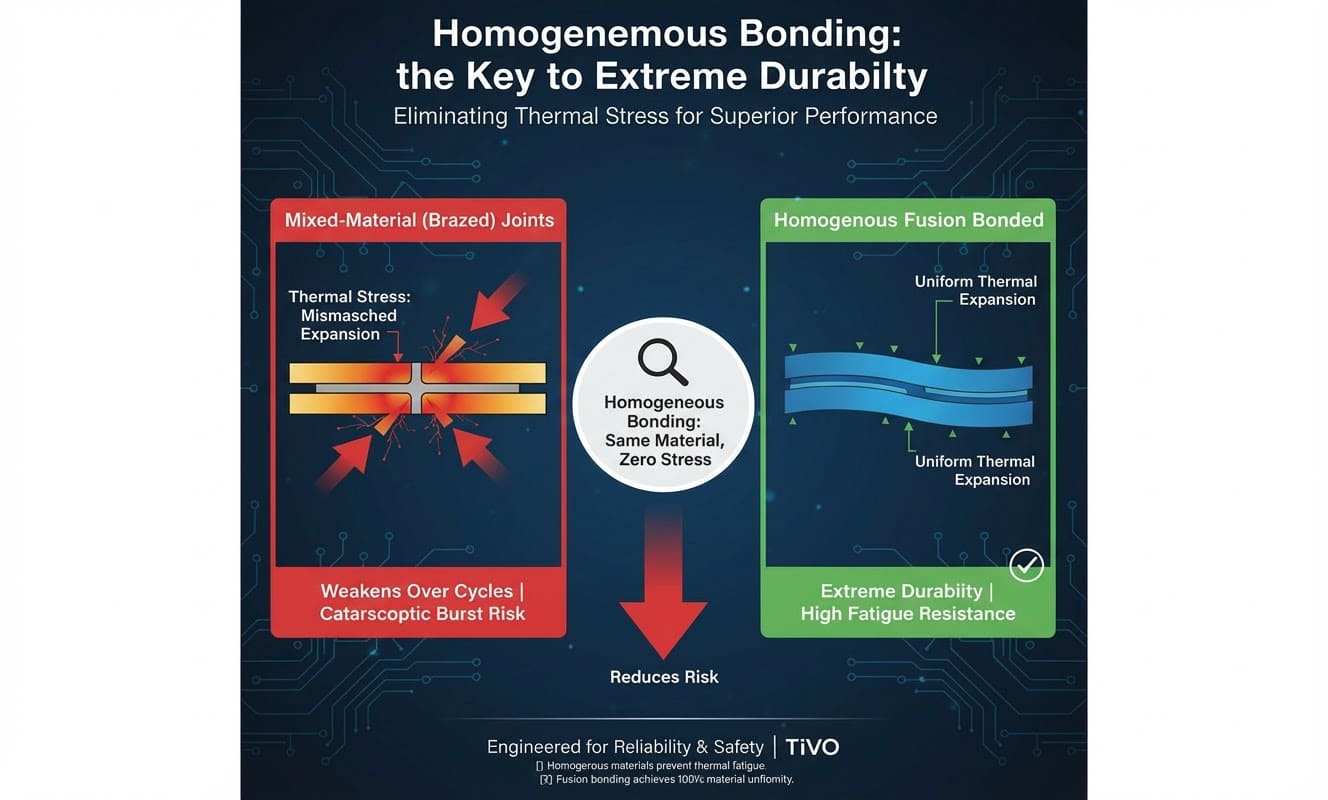
One of the most frequent technical inquiries I receive is about unit failure during rapid thermal cycling7. This happens when the temperature goes up and down very quickly. Research from ASM International clarifies that mismatched thermal expansion rates between different metals create micro-cracks over time. In a standard brazed unit, you have steel plates and copper filler. When they get hot, the copper expands at a different speed than the steel.
I often explain it to my clients like this: "In a standard brazed unit, the joint fights against the plate. This creates internal stress every time the system starts or stops. Because TIVO’s fusion joints are the exact same material as the plates, the expansion rate is identical. We have effectively eliminated the 'thermal stress' that causes traditional units to crack."
This is vital for keeping high burst pressure ratings over time. A brand new unit might pass a pressure test today, but after 1,000 cycles of heating and cooling, a copper-brazed unit is much weaker. A Fusion-Bonded unit retains its strength. This is why we can confidently say our units are safer for the long term. We test our designs to ensure they can handle the pressure, and because the structure is uniform, it stays strong year after year. This "homogeneous" or uniform structure is the secret to why our units last longer in difficult conditions.
What Testing Protocols Ensure TIVO Units Meet Global Safety Standards?
Trusting a manufacturer with safety-critical pressure vessels feels like a gamble if you do not see their process. You need proof that every single unit will hold up under real-world operating conditions and keep your team safe.
We do not rely on random sampling for safety-critical units like some other suppliers might. Every TIVO Fusion-Bonded exchanger undergoes rigorous hydraulic and leakage testing to verify burst pressure ratings, complying fully with PED 2014/68/EU8 and ASME standards9.
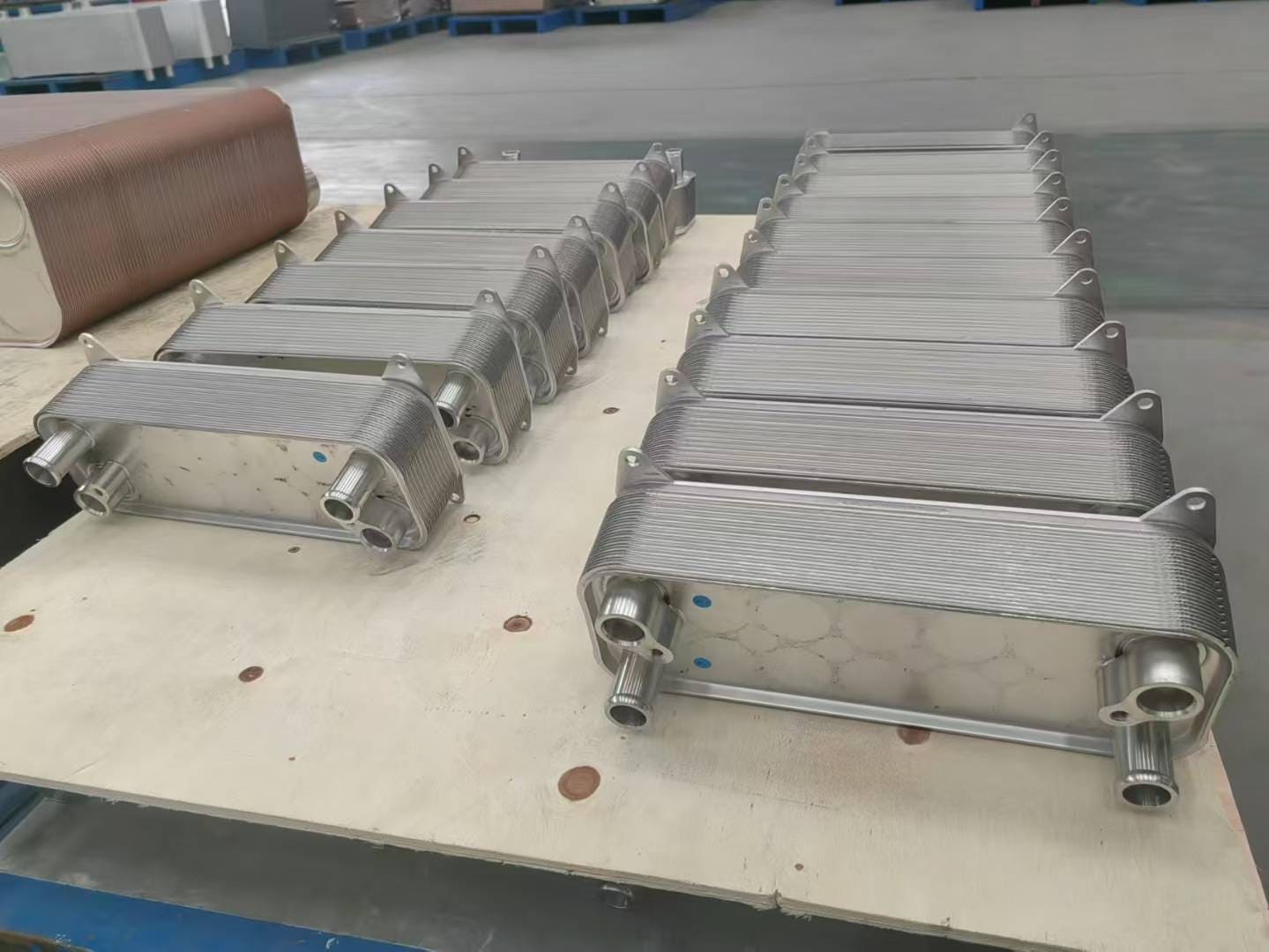
The market today is plagued by long wait times. I hear from customers that they face 20-week lead times for brands like AlfaNova. This is too long to wait when a factory is down. By investing in 21 automated production lines at our TIVO facility, we have separated high quality from long delays. We can move faster.
Every TIVO Fusion-Bonded unit is a 1:1 technical match for global benchmarks. However, we offer a delivery window of just 6 to 8 weeks for these specialized units, and even faster for standard orders. We ensure total compliance with international safety protocols. This includes the Pressure Equipment Directive (PED) and ASME standards. This ensures that your replacement or new-build project stays on schedule without sacrificing safety.
For customers like Elena in Germany, who works with high-pressure systems10, safety is the only thing that matters. She needs to know that the unit will not burst. We use advanced helium leak detection11 and burst pressure testing to ensure safety. We do not just guess. We test every single unit. If it does not pass our strict test, it does not leave our factory. This commitment to testing is why we can export to strict markets in Europe and America. We take the risk out of the purchase so you can focus on running your plant.
Is TIVO Fusion-Bonded Technology a Cost-Effective Alternative to Major Brands?
Paying premium prices for brand names often hurts your operational budget significantly and limits your ability to grow. You want the same high performance without the excessive markup or long wait times that slow you down.
TIVO offers a strategic advantage by providing the same material integrity and pressure ratings as leading European brands but at a more accessible price point. This allows you to lower capital expenditure while maintaining strict safety and purity standards.
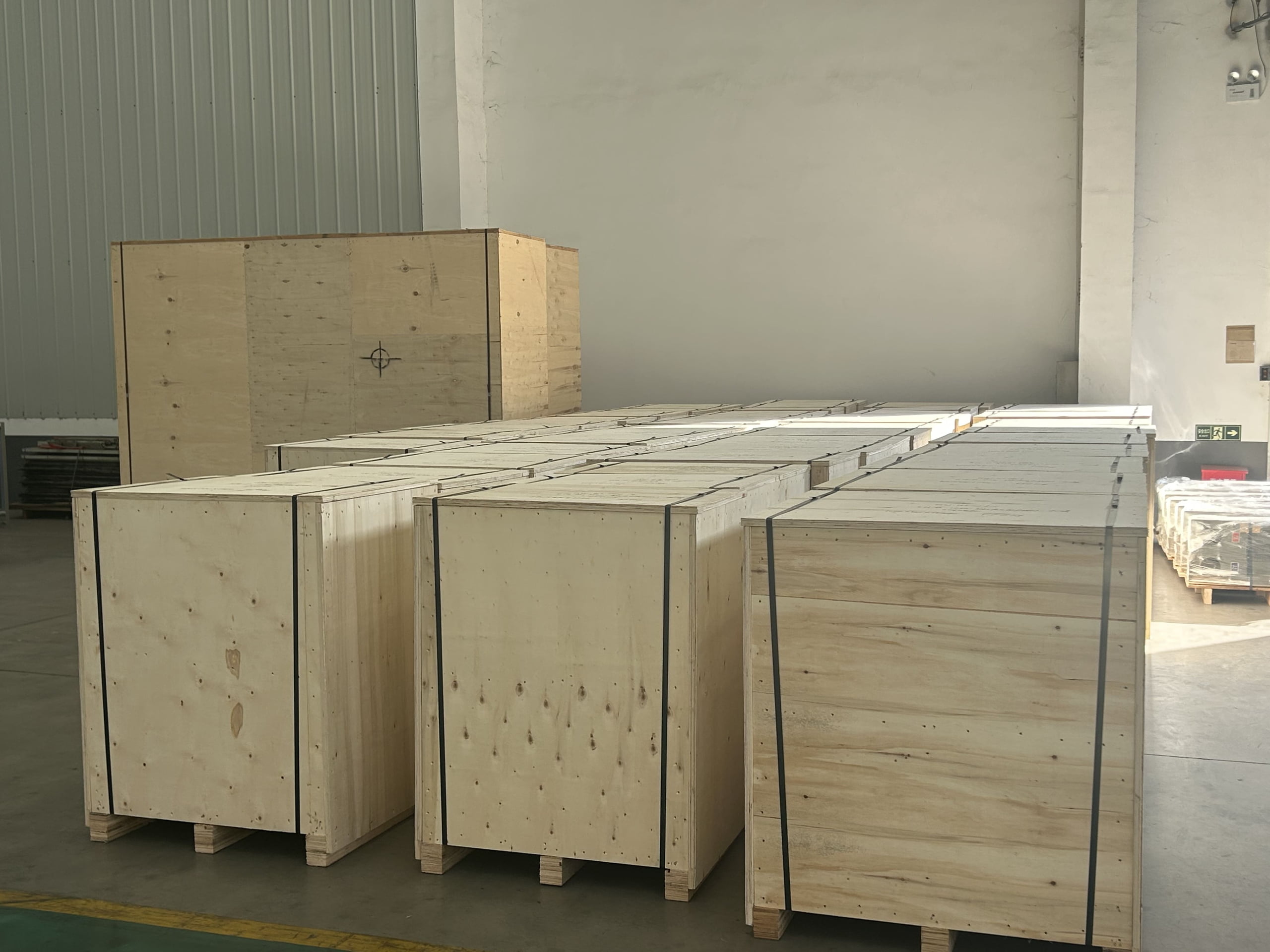
If your process involves ammonia refrigeration, wafer cleaning, or high-purity chemical synthesis, the choice is clear. You should not settle for "standard" when your purity requirements are "extreme." But you also should not have to pay double just for a logo on the plate.
I work with many buyers like Ahmad, who manages operations for large processing plants. He is very detailed and cares about costs. He knows that buying a replacement part from the original brand is extremely expensive. He also knows that waiting months for a part causes huge losses. When he discovered that TIVO could provide a Fusion-Bonded unit that is 100% compatible with his existing setup, but at a better price and with faster delivery, it changed his strategy.
We provide full-lifecycle solutions. This means we help you from the thermal selection12—calculating the pressure drop and heat transfer rates—all the way to mass production. We have over 15 years of experience doing this. We are not just a factory; we are partners. We use spectral material testing to prove that our 316L stainless steel is genuine. You get the same quality materials, the same pressure ratings, and the same life expectancy as the famous brands. The only difference is the price and the speed of service. This allows you to keep your spare parts inventory lean and your budget under control.
Conclusion
TIVO Fusion-Bonded technology offers a superior, safe alternative to copper brazing for high-pressure and high-purity applications. By choosing our 100% stainless steel units, you ensure system purity, handle high pressures safely, and avoid long supply chain delays.
Gain insights into the challenges posed by corrosive fluids and how to mitigate them. ↩
Explore how TIVO's heat exchangers can enhance your system's performance and safety. ↩
Learn about the advantages of using stainless steel in high-pressure environments. ↩
Explore the specific requirements and risks associated with ammonia refrigeration. ↩
Understand the significance of UPW in various industrial processes and its purity requirements. ↩
Explore this resource to understand the critical flaws of copper brazed heat exchangers and why they may compromise your system's integrity. ↩
Discover how thermal cycling can lead to failures in heat exchangers and how to prevent it. ↩
Understand the importance of PED compliance for safety in pressure equipment. ↩
Learn about ASME standards and their role in ensuring quality and safety in heat exchangers. ↩
Gain insights into the complexities and safety considerations of high-pressure systems. ↩
Discover how helium leak detection ensures the integrity of heat exchangers. ↩
Learn about the importance of thermal selection in optimizing heat exchanger performance. ↩