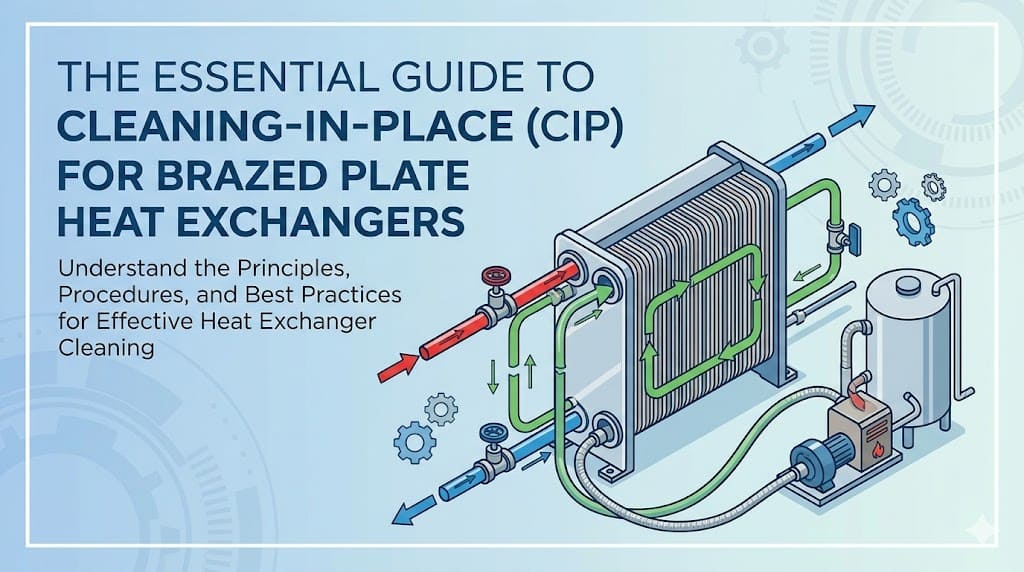
Does hard scale block your heat exchanger? This block ruins your efficiency and costs you money. I will show you how to fix this with a simple CIP method.
Cleaning-in-Place (CIP)1 is a method to clean inside a Brazed Plate Heat Exchanger2 without taking it apart. You circulate specific chemical fluids3 to remove scale. This process restores heat transfer efficiency, lowers pressure drops, and extends the life of your equipment.
You might think replacing a blocked unit is the only choice. But a proper cleaning routine will save your budget and keep your system running smoothly.
Why is CIP the Only Way to Clean a Brazed Plate Heat Exchanger?
Do you want to open your brazed unit? You cannot do that. The plates are fixed together. I will explain why CIP is your only real cleaning option.
Brazed Plate Heat Exchangers have an all-welded structure. You cannot open them for physical scrubbing. CIP is the only way to remove internal dirt. Pumping a cleaning fluid through the unit dissolves the scale and clears the channels safely.
The Challenge of Brazed Designs
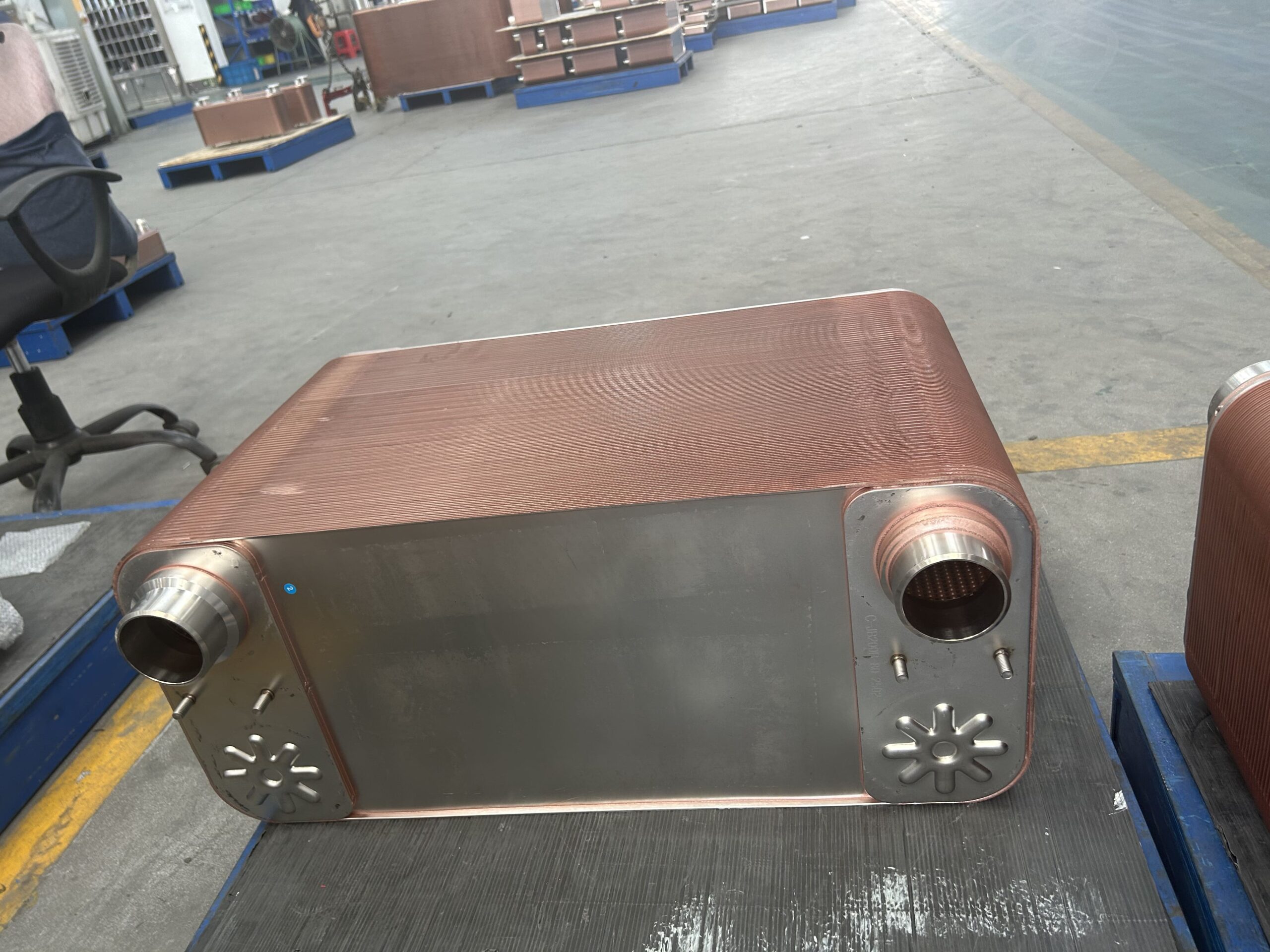
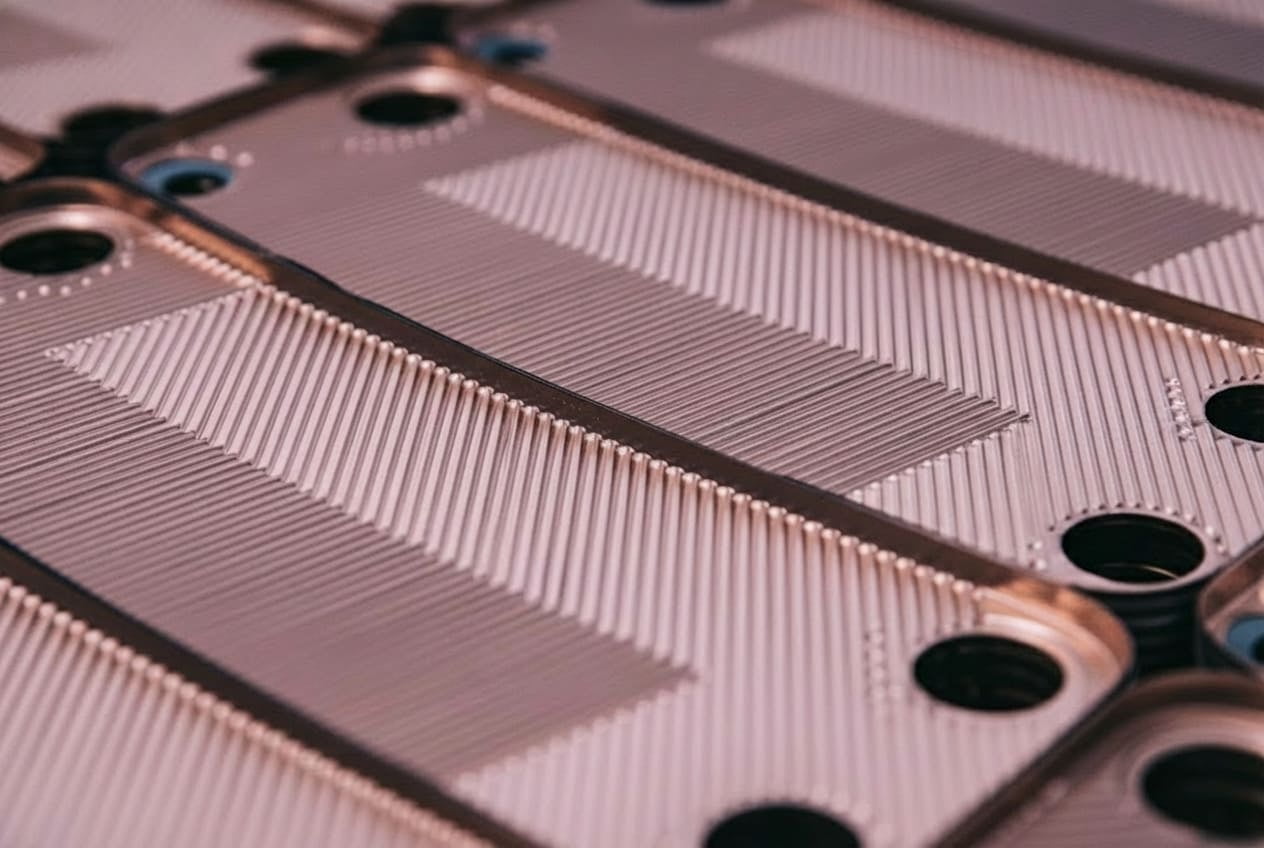
I have worked with heat exchangers for over 15 years at TIVO4. I talk to many plant managers like Ahmad and David. They all love Brazed Plate Heat Exchangers (BPHE). These units are very compact. They also handle high pressure very well. But this great design brings a big challenge. The stainless steel plates are brazed together with copper or nickel. You cannot take them apart like gasketed models. If you get scale inside, you cannot use a brush to clean it.
The Danger of Scale Buildup
Scaling happens when minerals build up on the metal plates. This buildup is very bad for your system. It acts like a thick blanket. It stops the heat from moving between the fluids. Scaling also makes the flow channels smaller. This causes a big increase in pressure drop. Your pumps have to work much harder. They use more electricity. If you ignore this problem, the unit will block completely. Then you have to buy a new one. This causes expensive downtime.
The CIP Solution
Regular CIP is the best way to avoid this problem. It keeps your system clean. It also extends the life of your equipment.
| Problem | Cause | Result |
|---|---|---|
| Cannot open unit | Brazed structure | Need CIP method |
| Low heat transfer | Scale acts as a blanket | Uses more energy |
| High pressure drop | Scale blocks channels | Pumps work too hard |
When Should You Perform CIP on Your Heat Exchanger?
Do you wait until your system stops working? That is a very bad idea. Late cleaning damages your equipment. I will tell you the exact signs to watch for.
You should perform CIP when your heat transfer efficiency5 drops by more than 10%. You also need to clean when the pressure drop increases by 15% to 20%. Do not wait for a complete blockage. Early cleaning saves your equipment.
Monitoring Your System
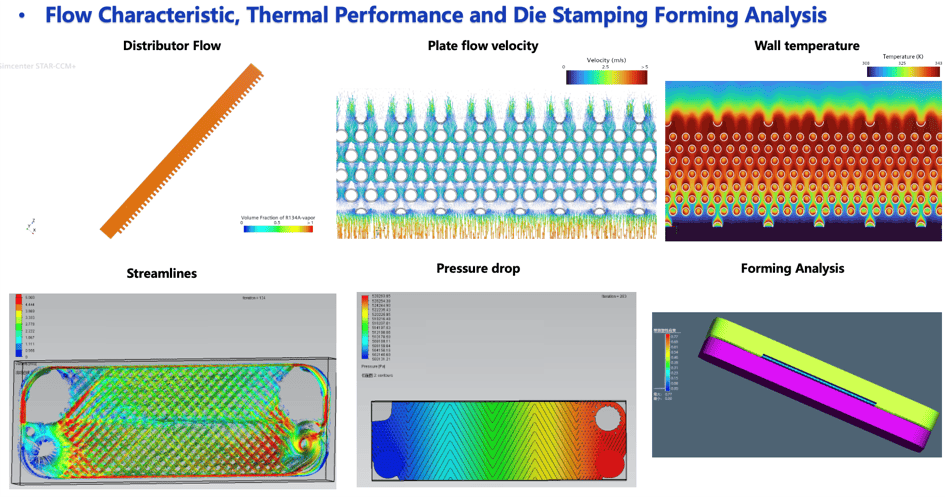
Knowing when to clean is very important. I always tell my clients to monitor their system performance closely. You need to watch two main numbers. First, you must watch the heat transfer efficiency. You can see this by checking the temperature of your fluids. If the temperature difference drops by more than 10%, you have a problem. Scale is covering the plates. Second, you must check the pressure drop. You read the pressure at the inlet and the outlet. A clean unit has a normal pressure drop. When scale builds up, the flow space gets smaller. The pressure drop will go up quickly.
Taking Action Early
If this pressure drop increases by 15% to 20%, you must start a CIP process6 immediately. Many engineers ignore these small changes. They wait until the chiller or heat pump stops working. I remember a client who waited too long. The scale became as hard as rock. The CIP fluid could not flow through the unit. They had to replace the whole heat exchanger. You can avoid this big cost. Keep a simple log of your temperatures and pressures. Start the cleaning process as soon as you see these warning signs.
| Warning Sign | Normal Range | Danger Level (Need CIP) |
|---|---|---|
| Heat Efficiency Drop | 0% to 5% | Over 10% |
| Pressure Drop Increase | 0% to 5% | Over 15% to 20% |
What is the Step-by-Step CIP Procedure for BPHE?
Does the cleaning process seem too difficult? Doing it wrong can leave dirt inside. I will guide you through the correct steps to get a perfect result.
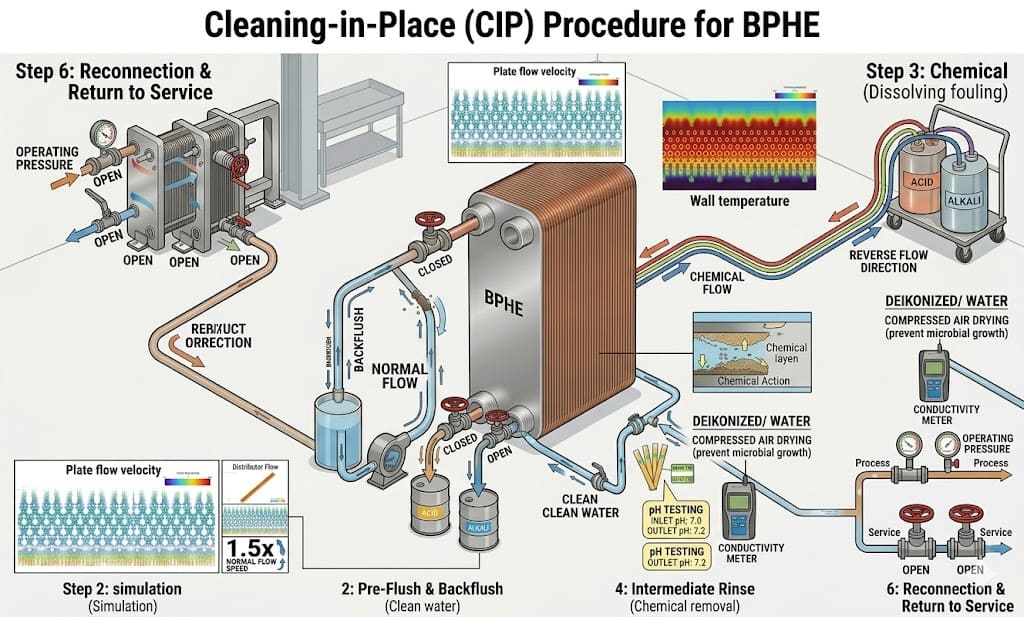
First, cut the power and drain all fluids. Second, backflush7 the unit with clean water at 1.5 times the normal speed. Third, circulate the chemical cleaning fluid. This reverse flow removes loose dirt before the chemicals dissolve the hard scale.
Three Simple Cleaning Steps
You must follow a strict process to clean your heat exchanger properly. I use a simple three-step method. Step one is preparation. You must turn off the heat source and the cold source. Safety comes first. Then, you open the valves and drain all the internal fluids completely.
Step two is backflushing. This is a very important technical tip. You must pump clean water into the unit in the opposite direction of the normal flow. We call this reverse flow. You should run this water at 1.5 times the normal operating speed. The fast water pushes out loose dirt and soft particles. It clears the path for the chemicals.
Step three is chemical circulation. You connect your CIP pump. You push the cleaning liquid through the heat exchanger. You must circulate this fluid for a few hours. The time depends on how much scale you have. You must make sure your cleaning fluid is safe for your heat exchanger. The chemicals must not harm the stainless steel plates. They must also be safe for the copper or nickel brazing material. After the chemical wash, you must flush the unit with clean water again to remove all acids.
| Step | Action | Key Detail |
|---|---|---|
| Step 1 | Drain Fluids | Cut all power and empty the unit completely. |
| Step 2 | Backflush | Use clean water at 1.5 times normal speed in reverse. |
| Step 3 | Chemical Wash | Circulate safe acids to melt the hard scale. |
How Do You Select the Right Cleaning Agents?
Do you use strong chemicals to clean faster? Strong acids will destroy your heat exchanger. I will show you how to choose the right and safe cleaning agents8.
You should use weak acids9 like phosphoric, citric, or oxalic acid to clean calcium scale10. You must never use hydrochloric acid (HCl)11. Keep the acid concentration below 5%. Heat the cleaning fluid to 50-60°C to make the cleaning process faster and better.
Picking the Safe Acid
Picking the right chemical is the most critical part of the CIP process. I have seen many good heat exchangers ruined by the wrong acid. Most scale in a heat exchanger is calcium scale. This scale comes from hard water. To remove calcium scale, you need an acid. But you must use a weak acid. I strongly suggest using phosphoric acid, citric acid, or oxalic acid. These weak acids dissolve the calcium safely. They do not eat the metal.
The Danger of Hydrochloric Acid
You must pay attention to a very strict rule. You must never use hydrochloric acid (HCl). Hydrochloric acid contains chloride ions. These ions are very dangerous. They quickly eat through stainless steel. They also destroy the copper brazing joints. If you use HCl, your heat exchanger will leak in a few days. You will destroy your equipment.
Mixing and Heating
You also need to mix the acid correctly. I recommend keeping the acid concentration below 5%. A weak mix is safe. To make the weak acid work better, you should heat the cleaning fluid. A temperature between 50°C and 60°C is perfect. The warm fluid softens the scale much faster. Follow these simple rules, and your heat exchanger will work like new.
| Cleaning Agent | Target Dirt | Safety Level | Notes |
|---|---|---|---|
| Citric Acid | Calcium and Minerals | High | Safe for Copper and Stainless Steel |
| Phosphoric Acid | Rust and Calcium | High | Good for general maintenance |
| Hydrochloric Acid (HCl) | All Scale | Very Low | NEVER USE. Destroys all metals |
Conclusion
CIP is the only safe way to clean brazed plate heat exchangers. Monitor your pressure drop, use reverse flushing, and pick safe weak acids to extend your equipment life.
Explore this resource to understand the CIP method and its benefits for heat exchangers. ↩
Learn about the benefits of BPHEs and why they are preferred in many applications. ↩
Get insights into the best chemical fluids for effective CIP cleaning processes. ↩
Explore TIVO's expertise in heat exchangers to enhance your understanding of efficient cleaning methods and maintenance. ↩
Discover strategies to enhance heat transfer efficiency and save on energy costs. ↩
Get a detailed guide on the CIP process to ensure thorough cleaning of your equipment. ↩
Explore the backflushing technique to enhance cleaning and maintenance of heat exchangers. ↩
Find out which cleaning agents are most effective and safe for your heat exchanger. ↩
Discover the benefits of using weak acids for safe and effective cleaning. ↩
Find out how to effectively remove calcium scale and maintain your heat exchanger. ↩
Understand the dangers of using HCl and why safer alternatives are essential. ↩