City cooling systems face high pressures and tight spaces. Old equipment fails and costs too much. You need the right heat exchanger to fix these issues fast.
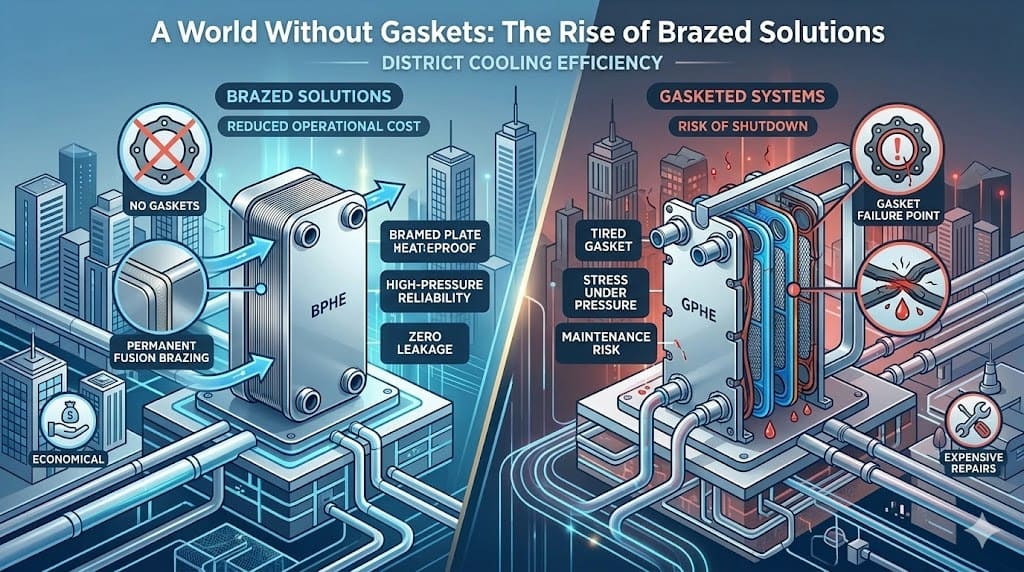
Brazed plate heat exchangers (BPHE)1 are the future of high-pressure district cooling2. They remove gasket leak risks, save floor space, and use less refrigerant. Gasketed plate heat exchangers (GPHE) still work for easy maintenance, but BPHE units offer better efficiency and safety for modern urban networks3.
Choosing between brazed and gasketed units is a big deal. If you make the wrong choice, your whole cooling network4 might shut down. Let us look at why this choice matters so much, and what happens if you get it wrong.
Why do leaks destroy district cooling networks?
Leaks cause massive damage in tall buildings. Gaskets get tired under pressure changes. A brazed unit stops this problem completely because it has no gaskets at all.
Leaks ruin district cooling by causing system shutdowns5 and water damage. High-pressure networks stress the rubber gaskets in traditional heat exchangers. Brazed plate heat exchangers solve this because they melt the plates together. This removes thousands of possible leak points from your system.
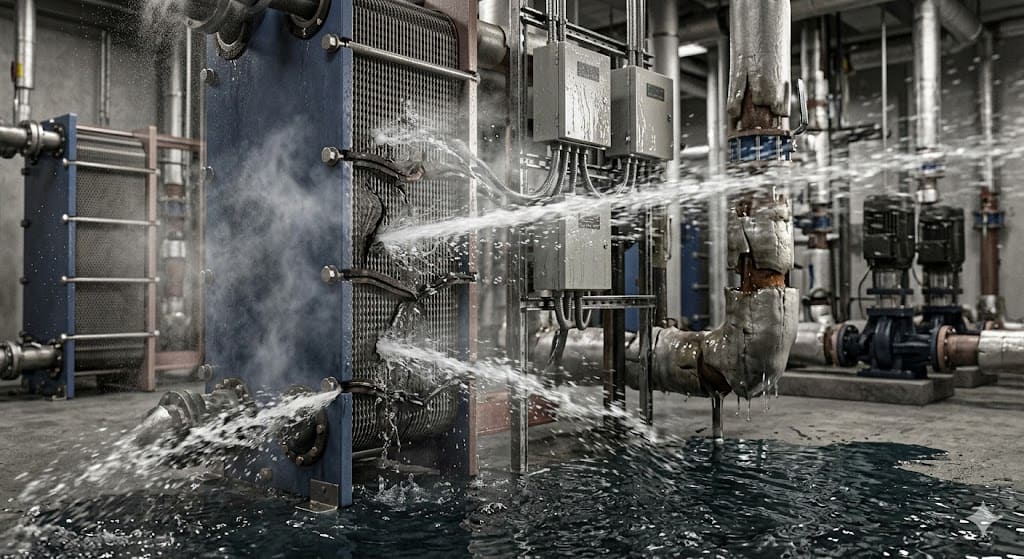
I remember a project in Dubai three years ago. The district cooling plant was in the basement of a huge tower. We used a standard gasketed plate heat exchanger (GPHE)6. One night, the water pressure spiked. The gaskets failed. Water went everywhere. We had to shut down cooling for the whole building. People were very angry.
This event taught me a hard lesson. Leaks are the biggest enemy of district cooling. In tall buildings or underground pipes, pressure changes all the time. Gaskets get weak. They stretch and break.
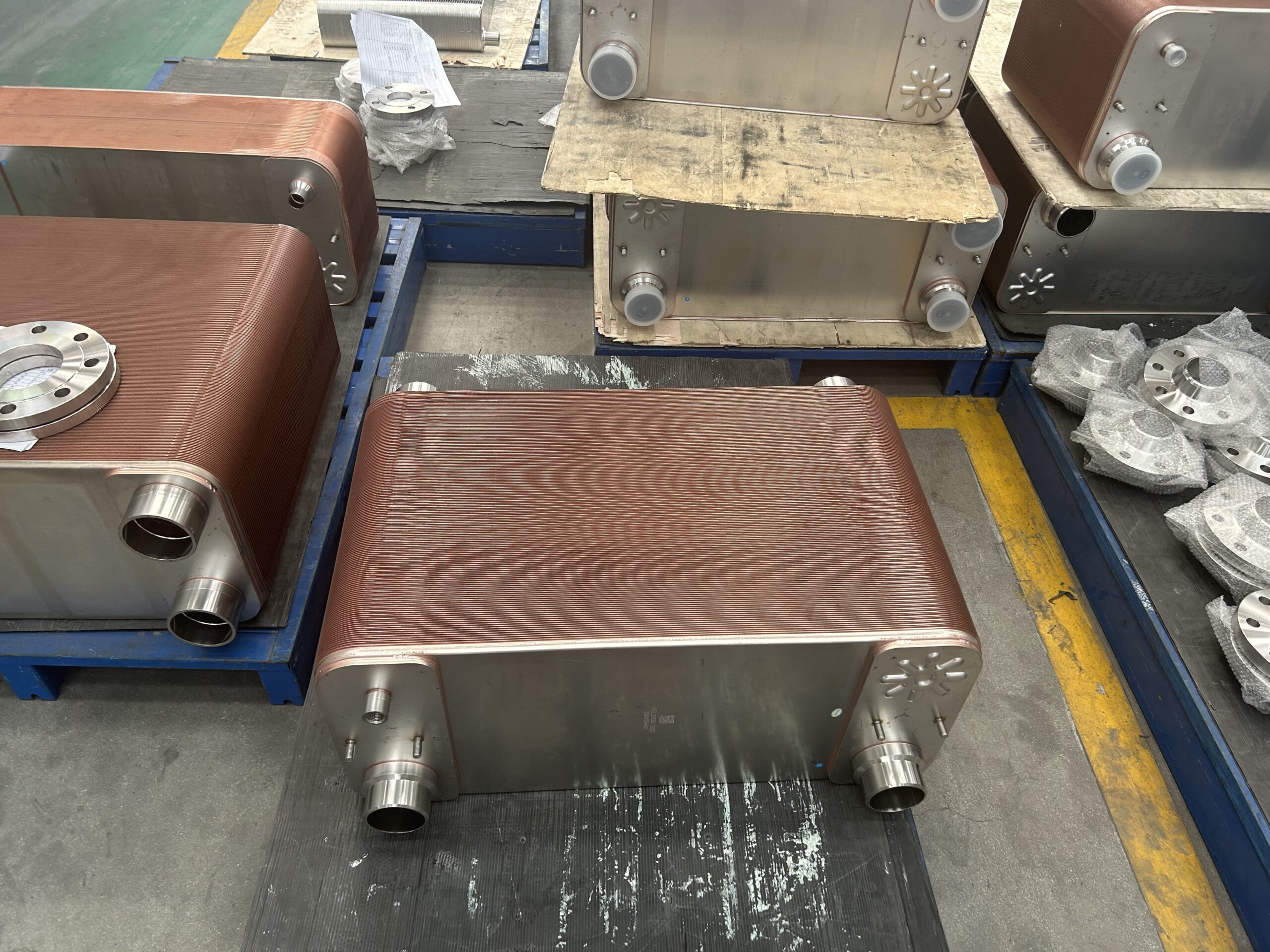
A brazed plate heat exchanger (BPHE) is different. We make it by melting the metal plates together. There is no rubber. This means there are no weak spots. You remove thousands of possible leak points. City networks cannot afford downtime. They need to run all the time.
Comparing Leak Risks
Here is a simple look at the risk differences.
| Feature | Gasketed Plate Heat Exchanger | Brazed Plate Heat Exchanger |
|---|---|---|
| Connection Type | Rubber gaskets and bolts | Melted metal bonds |
| Leak Points | Thousands (every plate edge) | Zero |
| Pressure Handling | Good, but gaskets fatigue | Excellent, up to 140 bar |
| Risk of Sudden Burst | Medium (during spikes) | Very Low |
You must think about safety first. If your network stops, you lose money and trust. A brazed unit keeps the water where it belongs. It stays inside the plates.
How does a low approach temperature7 save money?
High energy bills hurt your business. Small temperature gaps waste power. You need a heat exchanger that moves heat fast and cuts your daily electric costs.
A low approach temperature saves money by making the whole cooling plant work less. Brazed plate heat exchangers create high water turbulence. This allows a temperature gap of less than 1°C. When you lower this gap, your system uses less electricity and saves huge amounts of money.
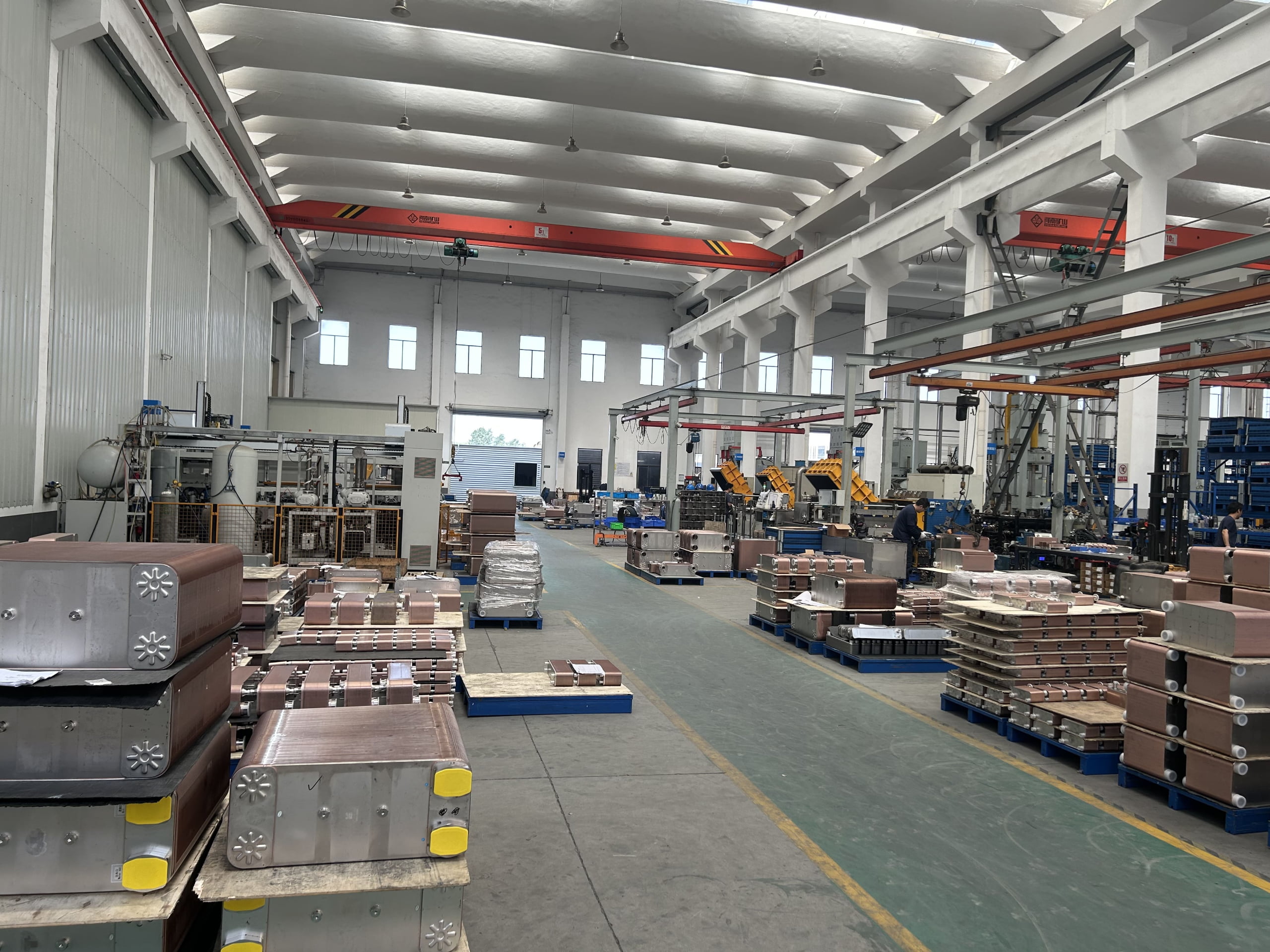
Let me tell you about a cooling station8 I visited in Singapore. The manager was upset about his high power bills. He wanted to know how to save money. I looked at his system. His heat exchangers had a big temperature gap. We call this the approach temperature.
District cooling wants this gap to be very small. A brazed plate heat exchanger (BPHE) is great for this. The plates have special shapes. These shapes make the water mix and spin very fast. We call this high turbulence. Because of this, the temperature gap can be less than 1°C.
Every time you drop the temperature gap by 1°C, your system works much better. Your chillers do not have to work as hard. This raises your overall energy efficiency9. A better efficiency means you buy less electricity.
Cost Savings Over Time
Let us look at how this helps your budget.
| Temperature Gap | System Efficiency | Monthly Power Cost | Long-term Value |
|---|---|---|---|
| 3°C to 5°C | Average | High | Costs more over 5 years |
| Less than 1°C | Very High | Low | Pays for the equipment fast |
The money you save on power is huge. Over a few years, these savings will pay for the new BPHE entirely. You get better cooling and keep more cash in your pocket.
Will your cooling network meet 2026 environmental rules?
New laws will ban old refrigerants soon. Big cooling units use too much gas. You must upgrade to equipment that uses less gas to stay legal and safe.
Your cooling network must use new refrigerants to meet 2026 rules. Brazed plate heat exchangers help you do this. They have a very small inside space. This means you need much less refrigerant gas10. This keeps you legal and meets strict fire safety rules11 for buildings.
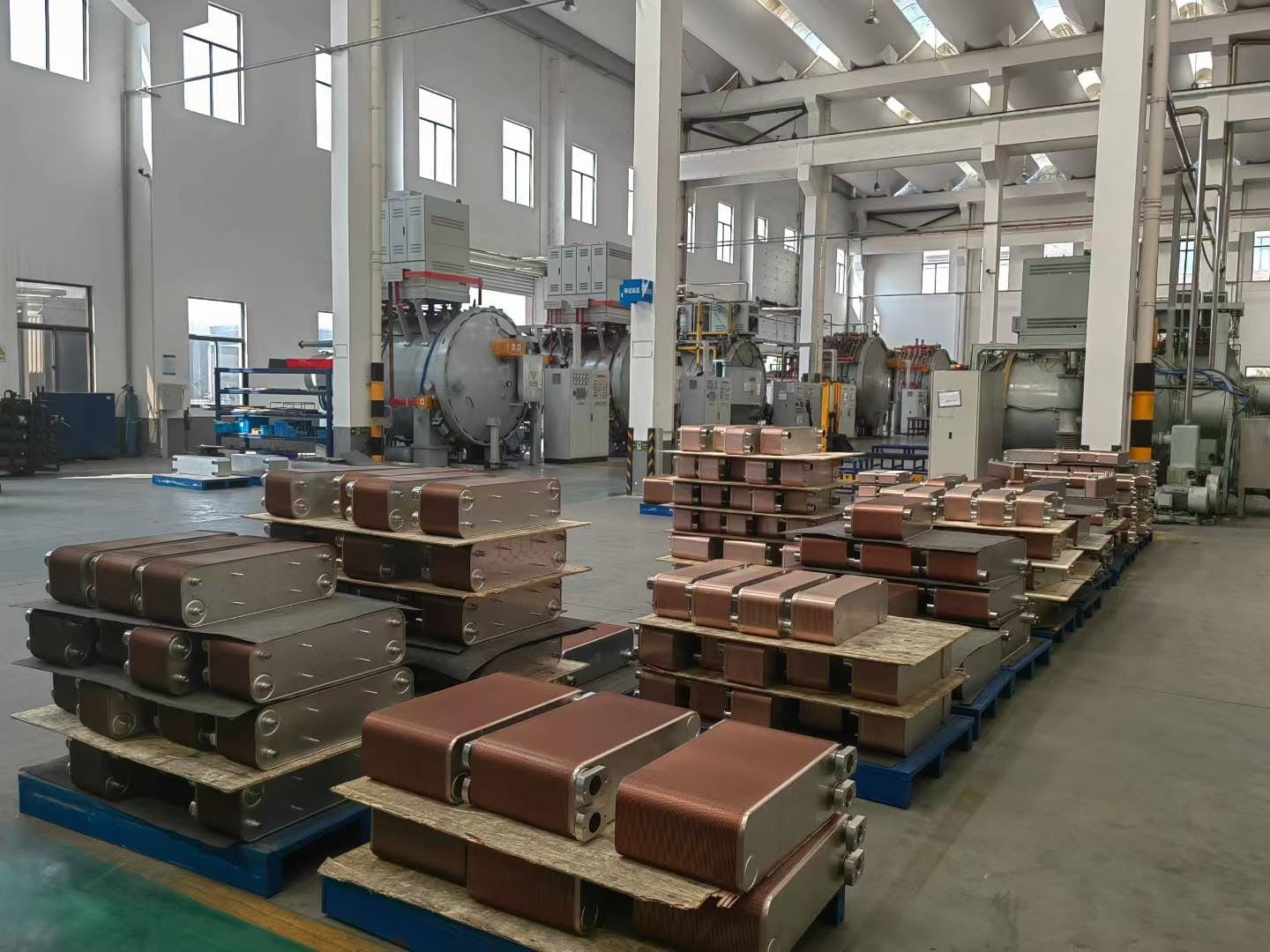
Last year, I sat in a meeting with a client from Germany. He was very worried. The government told him he had to change his cooling gas by 2026. Global warming rules are getting very strict. He asked me what he should do.
I told him about the brazed plate heat exchanger (BPHE). It is the best choice for these new rules. New refrigerants are better for the earth. But they can be hard to use. Some are even easy to catch fire. Because of this, building codes say you must use as little gas as possible.
A BPHE is very compact. The space inside the plates is very small. You do not need to fill it with a lot of refrigerant. A gasketed unit needs much more gas to do the same job.
Refrigerant Volume Comparison
Here is why the inside space matters for your future.
| Equipment Type | Internal Volume | Refrigerant Needed | Fire Safety Rating |
|---|---|---|---|
| Old Shell and Tube | Very Large | Huge Amount | Hard to pass new laws |
| Gasketed (GPHE) | Medium | Normal Amount | Okay, but needs checks |
| Brazed (BPHE) | Very Small | Very Little | Easy to pass strict codes |
Using less gas is not just good for the earth. It makes your building safer. You will pass fire safety tests easily. You will be ready for 2026 today.
Can saving space increase your cooling station profit?
City plant rooms are tiny and rent is high. Big machines waste space you could use. A compact heat exchanger12 frees up room and makes you more money.
Saving space increases profit because city real estate is very expensive. Brazed plate heat exchangers are much smaller than gasketed ones. They also do not need extra empty room around them for opening and fixing. You save equipment space and expensive building square meters.
I recently helped design a cooling station in downtown Tokyo. Space there is like gold. The customer showed me a very small room. He said, "This is all the space we have."
If we used a gasketed plate heat exchanger (GPHE), it would not fit. A GPHE is big. But the real problem is the extra space it needs. When you maintain a GPHE, you must open it. You need to pull the heavy plates apart. You must leave a lot of empty floor space just for this job.
A brazed plate heat exchanger (BPHE) changes everything. It is a solid block. You never open it to fix gaskets. You do not need that extra empty space. You just clean it with chemicals right through the pipes.
Floor Space and Cost
Let us see how space turns into money.
| Unit Type | Device Size | Maintenance Space Needed | Total Room Cost |
|---|---|---|---|
| Gasketed (GPHE) | Large | Very large (to pull plates) | High rent cost |
| Brazed (BPHE) | Small | None (clean in place) | Low rent cost |
Every square meter in a city costs a lot of money. When you use a BPHE, you save building space. You can use a smaller room. Or you can fit more equipment in the same room. This makes your cooling station much more profitable.
Conclusion
Brazed heat exchangers offer zero leaks, lower power bills, less gas use, and save huge space. They are the clear choice for modern, safe, and cheap district cooling networks.
Explore the advantages of BPHE for high-pressure district cooling and how they outperform traditional systems. ↩
Understand the concept of district cooling and its importance in modern urban infrastructure. ↩
Learn about the specific challenges faced by urban cooling networks and potential solutions. ↩
Learn about the key factors that influence the effectiveness of cooling networks. ↩
Identify the common causes of system shutdowns and how to prevent them. ↩
Explore this resource to understand the pros and cons of GPHEs, helping you make informed decisions for your cooling systems. ↩
Learn how maintaining a low approach temperature can significantly reduce energy costs. ↩
Gain insights into the operation and importance of cooling stations in district cooling systems. ↩
Discover strategies to enhance energy efficiency in cooling systems and reduce operational costs. ↩
Stay updated on upcoming refrigerant regulations and how they impact cooling systems. ↩
Understand the fire safety implications of refrigerant use in cooling systems to ensure compliance. ↩
Explore the benefits of compact heat exchangers in maximizing space and efficiency. ↩