Ammonia1 is a powerful coolant, but it is also very dangerous if you use the wrong equipment. Many facility managers face sudden leaks because they chose the wrong heat exchanger2.
Fusion-bonded plate heat exchangers are the only safe option for compact ammonia systems because they are 100% stainless steel3. Unlike standard brazed units that use copper filler, fusion-bonded units have no copper. This prevents the ammonia from eating away at the joints and causing dangerous leaks.
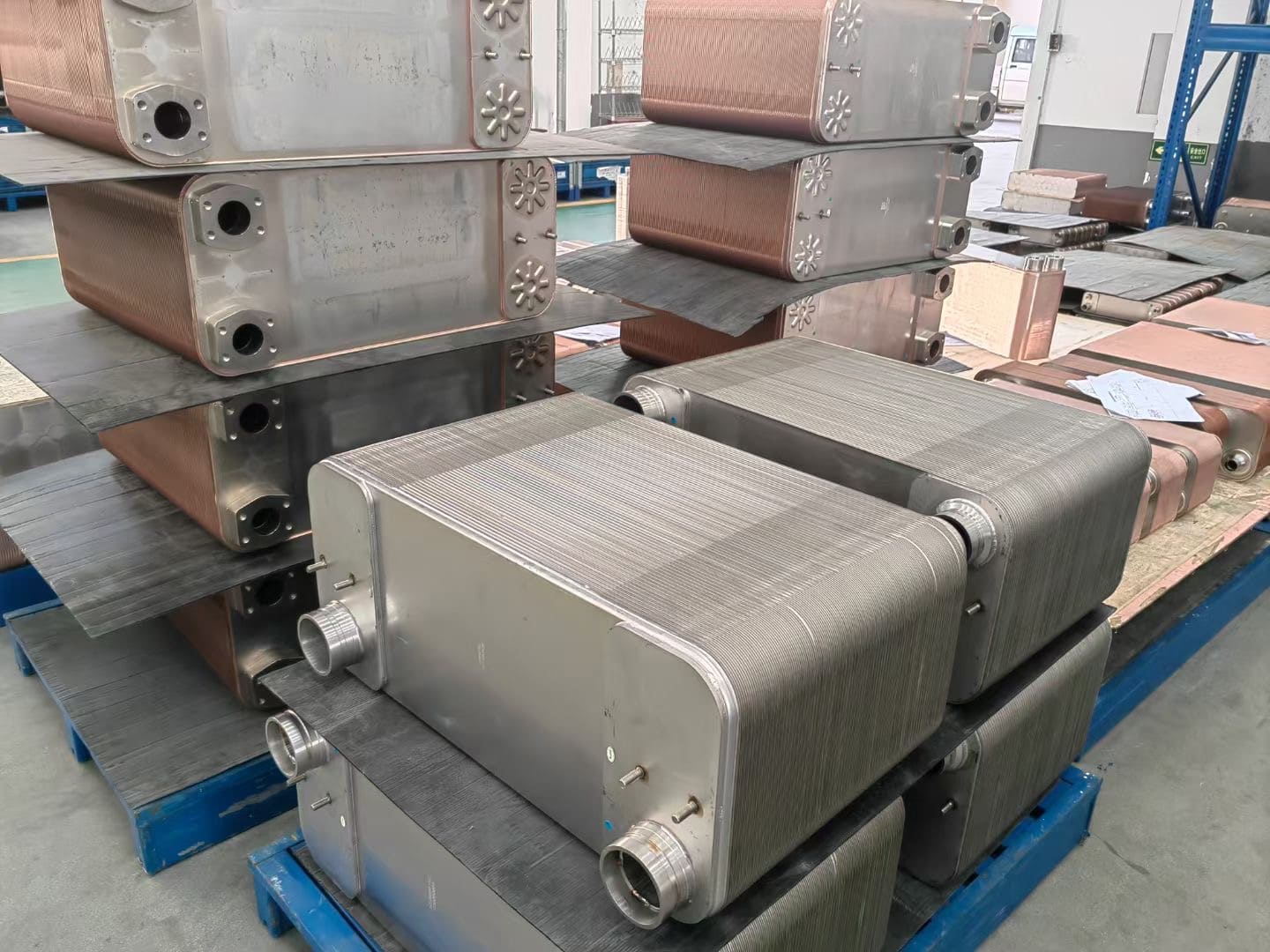
I see this mistake happen all the time in my line of work. A factory wants to save money or space, so they buy a standard unit. They do not realize that they have put a ticking time bomb in their factory. If you keep reading, I will explain exactly why copper is the enemy of ammonia. I will also show you why fusion bonding4 is the technology you need to keep your workers safe and your plant running.
Why is even a tiny amount of copper a ticking time bomb for your ammonia system?
You might think you are safe because your heat exchanger plates are made of stainless steel. But if the filler metal holding them together is copper, your system will fail quickly.
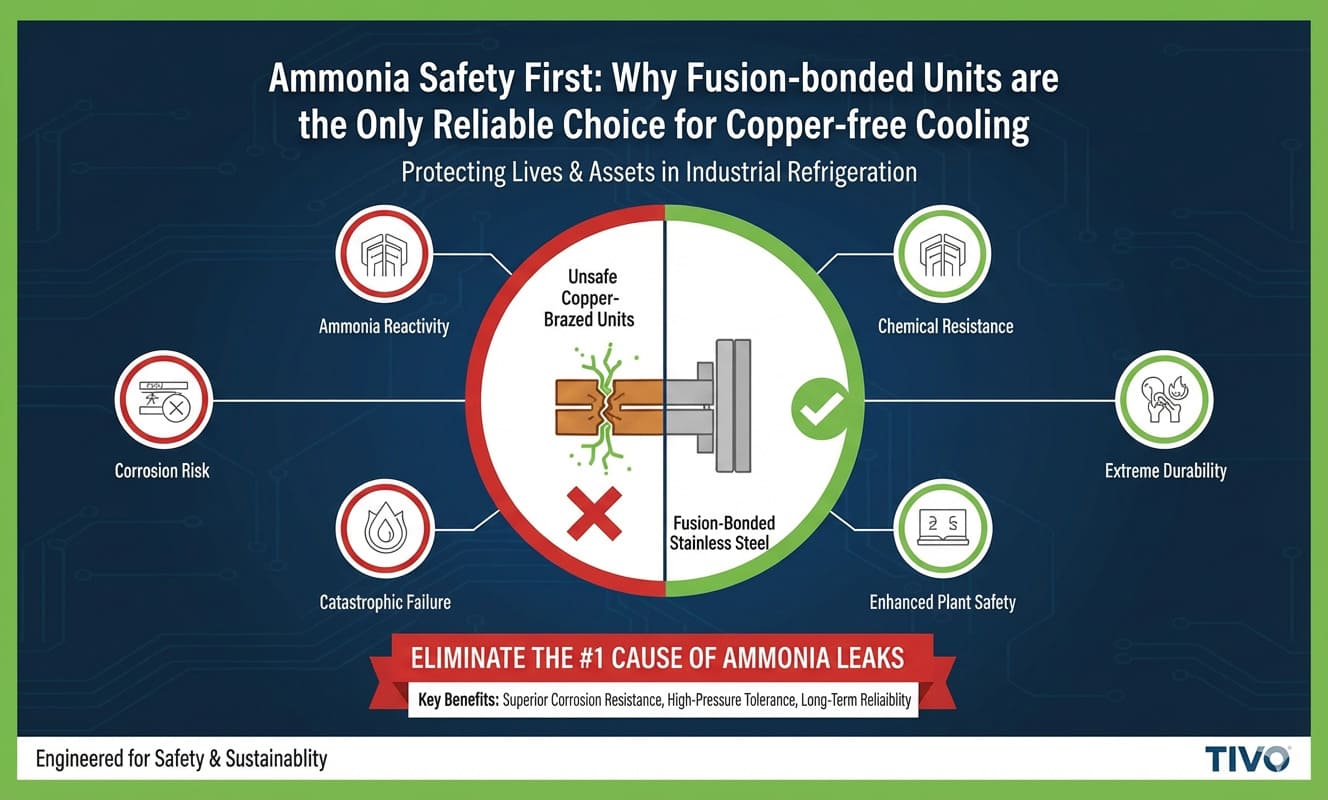
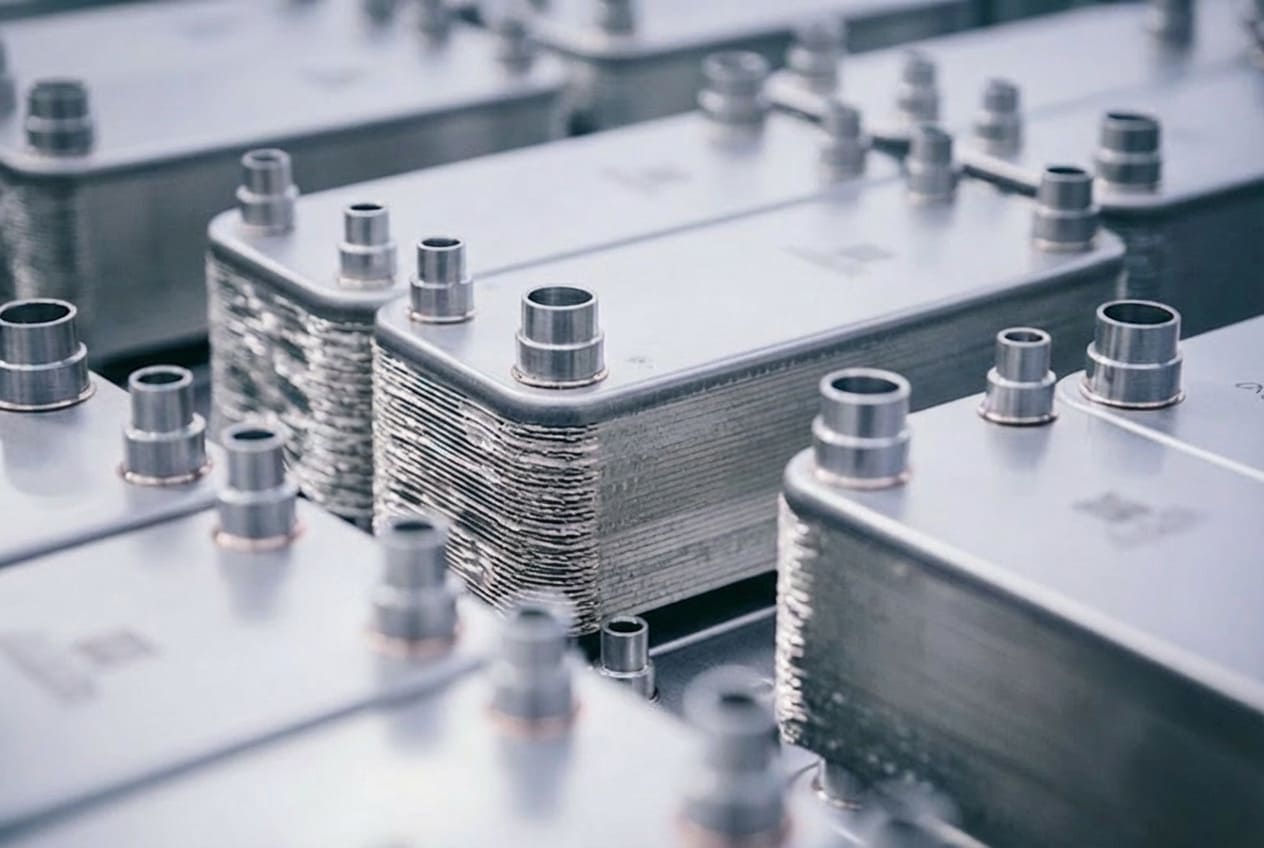
Standard brazed plate heat exchangers5 (BPHE) use copper to glue the stainless steel plates together. Ammonia reacts chemically with this copper6. It dissolves the copper filler, and the heat exchanger falls apart from the inside out.
I want to tell you a short story about a client I met last year. [Insert personal story here about a client, perhaps a food processing manager like 'Ahmad', who bought a cheap standard BPHE for an ammonia line. Describe how it worked for three months and then started leaking, causing a factory shutdown and a safety panic]. This story is not unique. It happens because many people do not understand the chemistry.
Let us look deeper into this problem. Many procurement managers7 know that ammonia corrodes copper. However, they often overlook the "brazing" part of a Brazed Plate Heat Exchanger. In a standard BPHE, the plates are 316L stainless steel, which is fine. But the material that bonds these plates is 99.9% copper.
In an ammonia system, you cannot have any copper. Even a trace amount of 0.1% is dangerous. When ammonia touches the copper brazing filler, a chemical reaction8 starts immediately. It eats away the "glue" holding the unit together. This does not take years. It can happen in just a few months. When the copper dissolves, the pressurized ammonia shoots out. This is a massive safety risk. It is also a huge cost because you have to stop production.
Here is a simple breakdown of the difference:
| Feature | Standard BPHE | Fusion Bonded HE |
|---|---|---|
| Plate Material | Stainless Steel | Stainless Steel |
| Bonding Material | Copper (The weak point) | None (Stainless fuses to Stainless) |
| Ammonia Safe? | NO (Will leak) | YES (100% Safe) |
| Lifespan with NH3 | Months | Years/Decades |
You cannot risk using copper filler. It is a structural weakness. The ammonia searches for the copper and destroys it. If you use ammonia, you must remove copper completely from the equation.
Why is the world switching back to ammonia for industrial cooling?
New laws are banning old refrigerants, and energy prices are going up. Factory owners need a solution that is cheap to run and legal to use for a long time.
Ammonia (R717) is becoming popular again because it has zero Global Warming Potential (GWP)9 and is very efficient. It saves money on electricity and protects the environment, making it the best long-term choice.
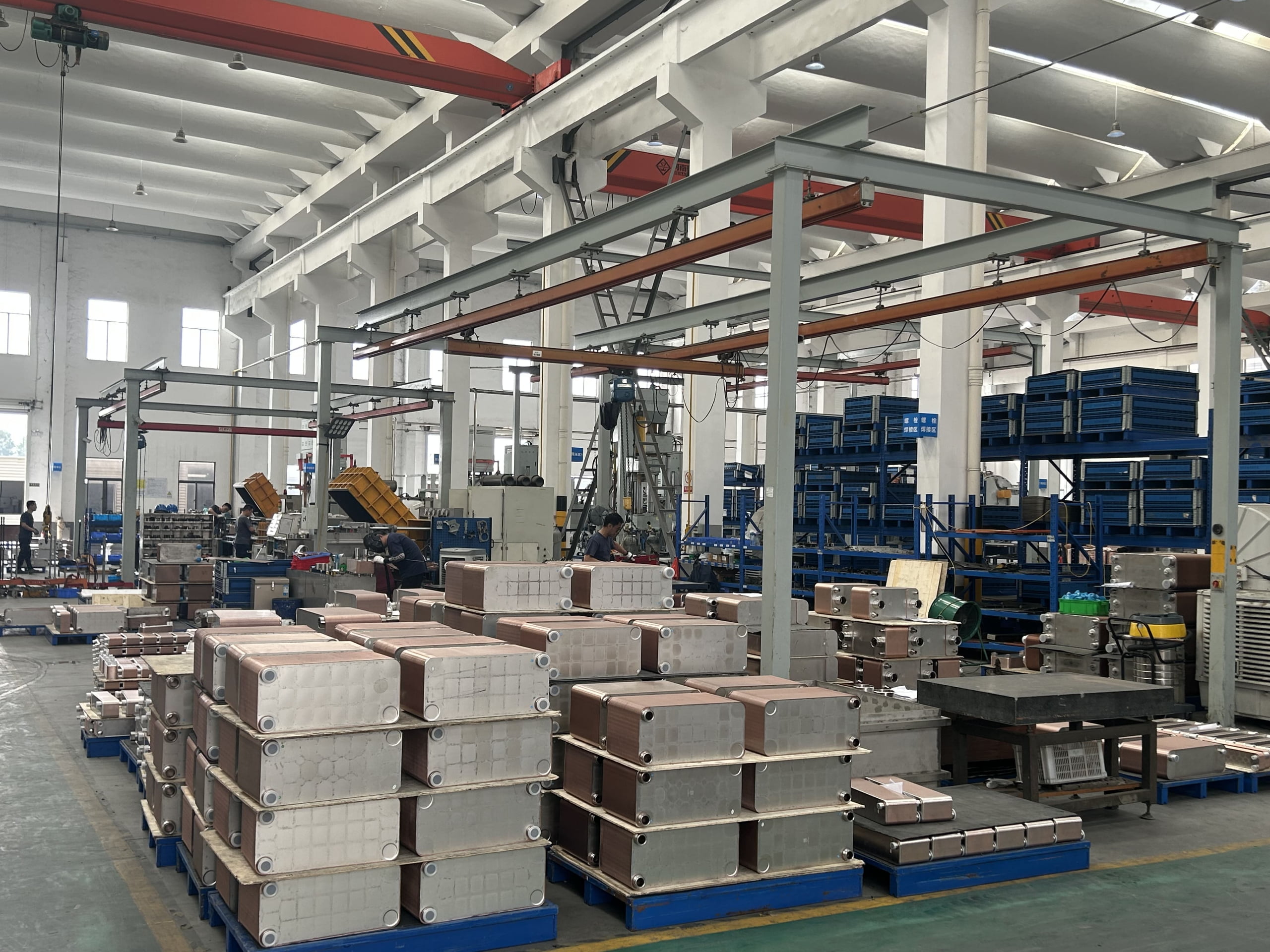
The market is changing fast. I see more inquiries from Europe and Asia asking for ammonia solutions. This is not just about following the law. It is about saving money on energy bills. But this revival comes with a challenge. You need modern hardware to handle this "old" refrigerant safely.
Let's dive deeper into why this shift is happening and why it demands fusion technology. Ammonia is not new. We have used it for over a hundred years. But for a while, people used synthetic refrigerants because they were easier to handle. Now, we know those synthetics damage the ozone layer or heat up the planet. Ammonia does neither. It has a GWP of zero.
However, if you want to use ammonia to get high energy efficiency10, you have to deal with its chemistry. Ammonia is aggressive. As I mentioned before, it attacks copper. In the past, people used huge, heavy, welded shell-and-tube heat exchangers. These take up a lot of space. Today, modern factories do not have that kind of space. They want compact units.
This is where the conflict happens. You want the efficiency of a compact plate heat exchanger. But you cannot use the standard copper-brazed ones. You need a unit that is as small as a brazed unit but as strong as a welded unit.
If you are an engineer trying to design a green, low-energy system, fusion bonding is your only real path. It allows you to use ammonia in a small footprint. It handles the high pressures11 and the corrosive nature of the fluid without any risk. If you try to achieve low energy consumption with ammonia using the wrong equipment, you will fail. Fusion bonding is the core component that makes modern ammonia cooling possible.
How does fusion bonding actually work to create a solid stainless steel unit?
You might wonder how we stick stainless steel plates together without using any glue or filler. It sounds impossible, but it is a special process that melts the metal at the molecular level.
Fusion bonding uses extreme heat and pressure to melt the contact points of the stainless steel plates. This turns the stack of plates into one solid piece of metal, eliminating weak joints and leaks.
I often have to explain this to engineers who are used to gaskets or brazing. They ask, "If there is no filler, what holds it?" The answer is the steel itself. This is not just welding around the edges. This is joining every single contact point inside the unit.
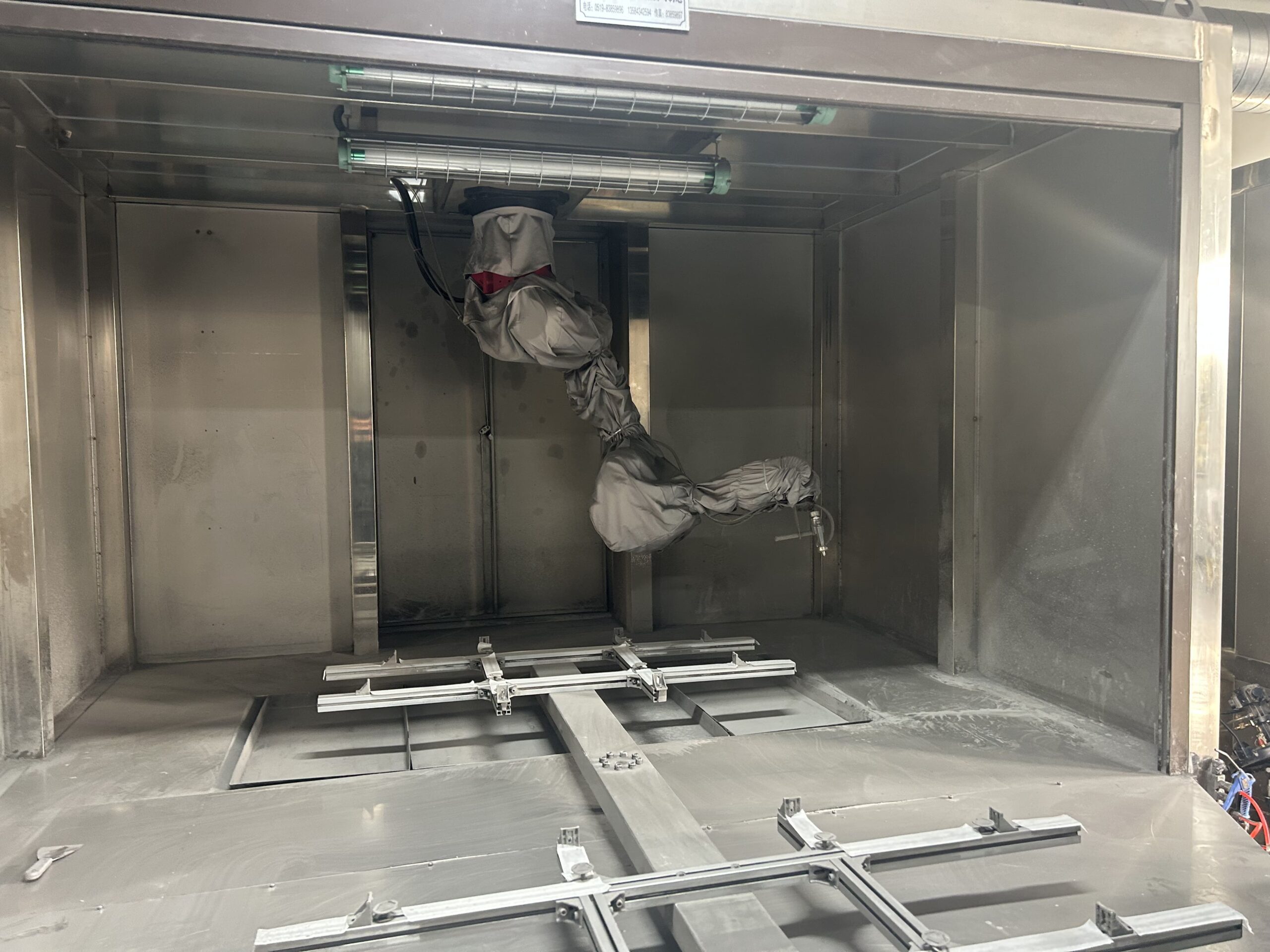
Let's look at this process in more detail to understand why it is so reliable. In our factory at TIVO, we place the stainless steel plates into a vacuum furnace12. We add a specialized activator, but this activator is not a filler metal like copper. It helps the stainless steel atoms flow.
When the temperature goes up, the metal at the contact points starts to melt and fuse together. It becomes a single, homogenous material. There is no "interface" between two different materials. In a standard unit, you have steel, then copper, then steel. That interface is where fatigue cracks start. That is where corrosion starts.
In a fusion-bonded unit, the whole thing is 100% stainless steel. It behaves like a solid block. This means it can handle high temperatures (up to 550°C) and high pressures. More importantly for you, it resists ammonia completely. There is nothing for the ammonia to eat.
This technology is very hard to master. Only a few companies in the world can do it properly. You might know Alfa Laval’s AlfaNova. That is the same technology we use. We have spent years perfecting this process. We ensure that the fusion is complete and uniform. This creates a unit that is safe for hygiene applications, aggressive chemicals, and of course, ammonia refrigeration. It gives you the safety of a welded unit with the high efficiency of a plate unit.
Can you find reliable fusion-bonded manufacturers outside the big expensive brands?
You might think that only the biggest, most expensive European brands can make this high-tech product. This leaves many buyers feeling stuck between high prices and low quality.
There are specialized manufacturers like TIVO who have mastered fusion technology. We offer the same 100% stainless steel quality and safety standards13, but with faster delivery and better prices.
I know that budget is always a concern. You want the best safety, but you have a limit on spending. [Insert personal story here about a project manager, like 'Lars' from the Netherlands, who needed high-purity units but couldn't afford the lead time or cost of the big brands]. We solved his problem by proving our quality was equal to the top tier.
Let's dive deeper into the manufacturing reality. As I said, fusion bonding is difficult. It requires precise temperature control and very specific vacuum conditions. Because it is hard, few factories do it. This allows the big brands to charge a lot of money. They also take a long time to deliver because they have a backlog of orders.
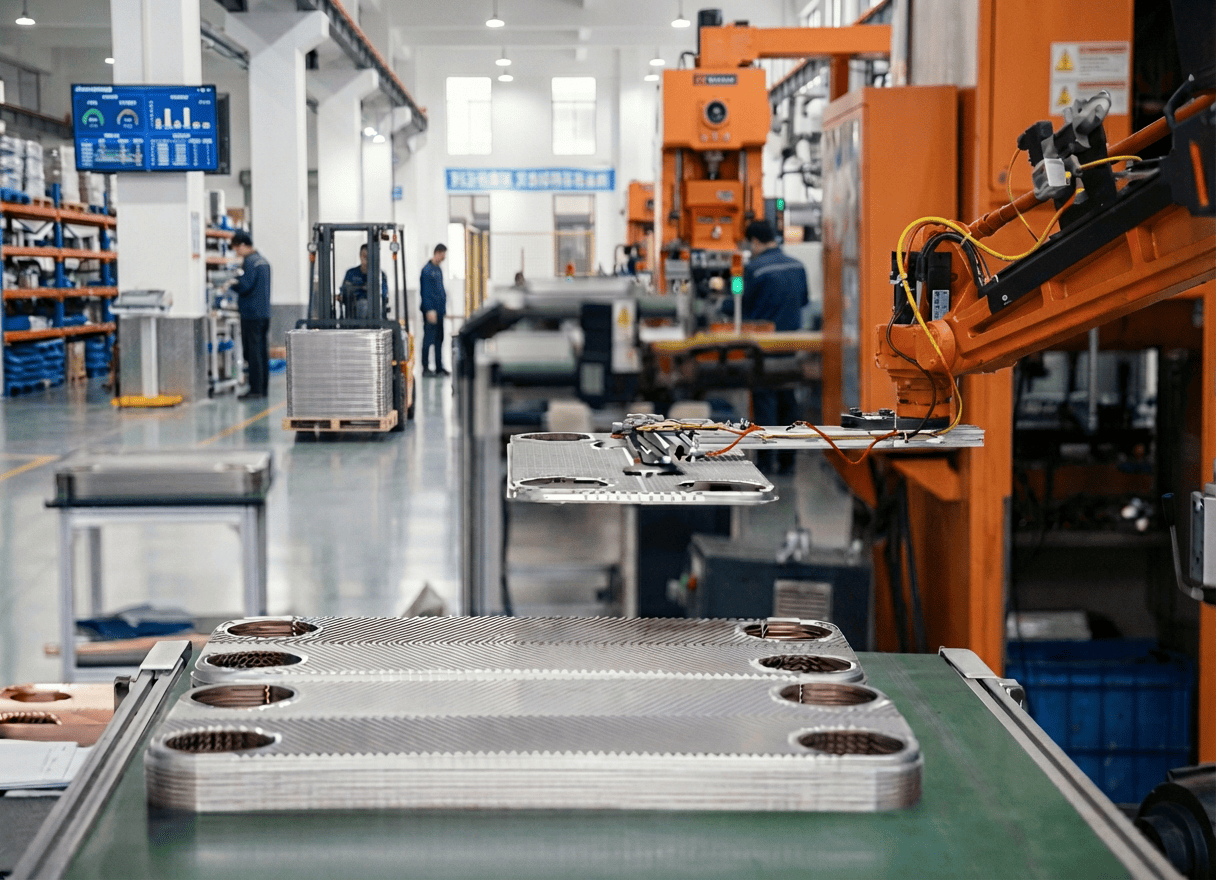
At JIANGYIN TIVO TECHNOLOGY, we have invested heavily in this specific technology. We operate 16 production lines14. We do not just assemble; we manufacture from the raw material up. We use 100% spectral material testing to prove our steel is pure.
We test every single fusion-bonded unit before it leaves our factory. We use helium leak detection15. This is a very sensitive test. If there is a leak so small that only a few atoms of gas can pass through, we find it. For ammonia systems, this level of testing is mandatory.
We export these units to Germany, the USA, and Japan. These markets have the strictest rules. Our customers there are EPC contractors16 and OEM manufacturers17 who cannot afford a failure. They choose us because we provide the exact same technical performance as the famous brands. We provide the custom drawings, the thermal calculations, and the pressure tests. But we do it with a delivery time of 7 to 15 days for standard orders. You do not have to wait 12 weeks to get a safe ammonia system. You can have safety, speed, and a fair price all at once.
Conclusion
If you use ammonia, you must avoid copper completely to prevent dangerous leaks. Fusion-bonded heat exchangers are the only safe, efficient choice.
Explore the advantages of ammonia, including its efficiency and environmental benefits, to understand why it's gaining popularity. ↩
Discover the best heat exchanger options for ammonia systems to ensure safety and efficiency. ↩
Find out why stainless steel is crucial for ammonia systems and how it enhances safety. ↩
Understand the fusion bonding process and its advantages over traditional methods. ↩
Learn about the dangers of using brazed plate heat exchangers in ammonia applications. ↩
Explore the chemical reactions between ammonia and copper that can lead to system failures. ↩
Get insights tailored for procurement managers on selecting safe ammonia systems. ↩
Delve into the chemistry of ammonia and copper to understand the risks involved. ↩
Learn about ammonia's zero GWP and its implications for environmental sustainability. ↩
Discover how ammonia contributes to energy savings in industrial cooling applications. ↩
Explore the challenges and solutions for managing high pressures in ammonia refrigeration. ↩
Learn how vacuum furnaces are used in the fusion bonding process for heat exchangers. ↩
Understand the safety standards that govern ammonia refrigeration to ensure compliance. ↩
Learn how efficient production lines can enhance the quality and delivery of heat exchangers. ↩
Discover the importance of helium leak detection in ensuring the safety of ammonia systems. ↩
Get essential information for EPC contractors regarding ammonia system specifications. ↩
Explore the advantages of ammonia systems for OEM manufacturers in various industries. ↩